Pricing
Berning Robot Robot Recorder 24
Berning Robot · Germany · 1955–1960 (5 years) · 135 film
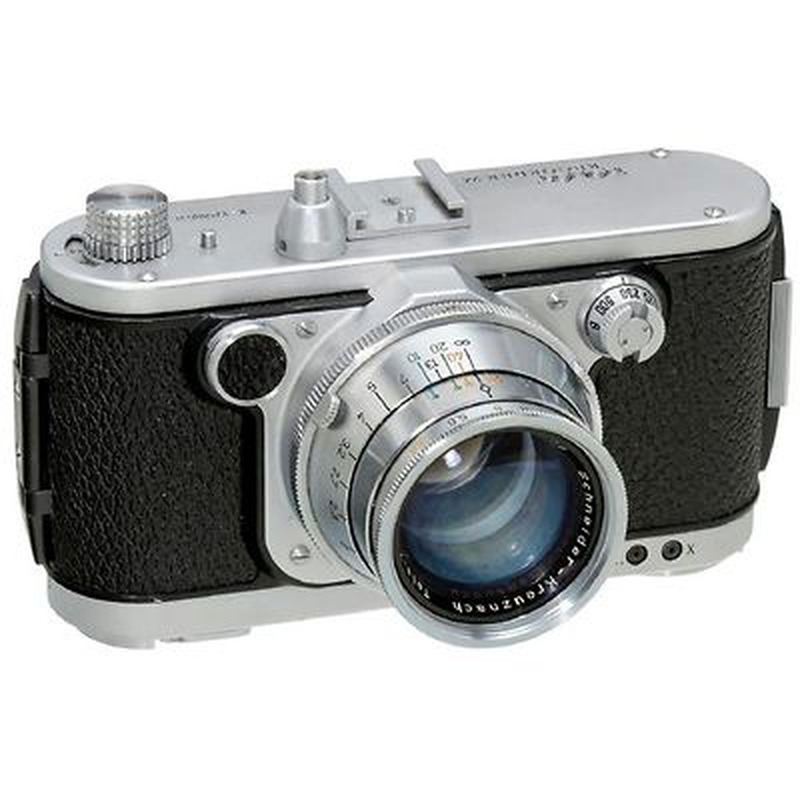
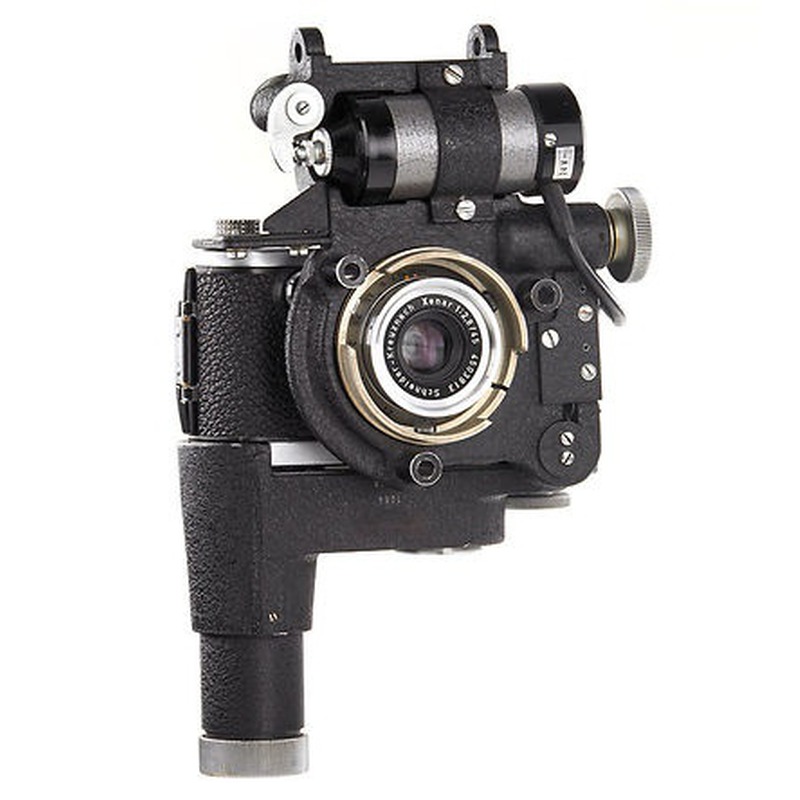
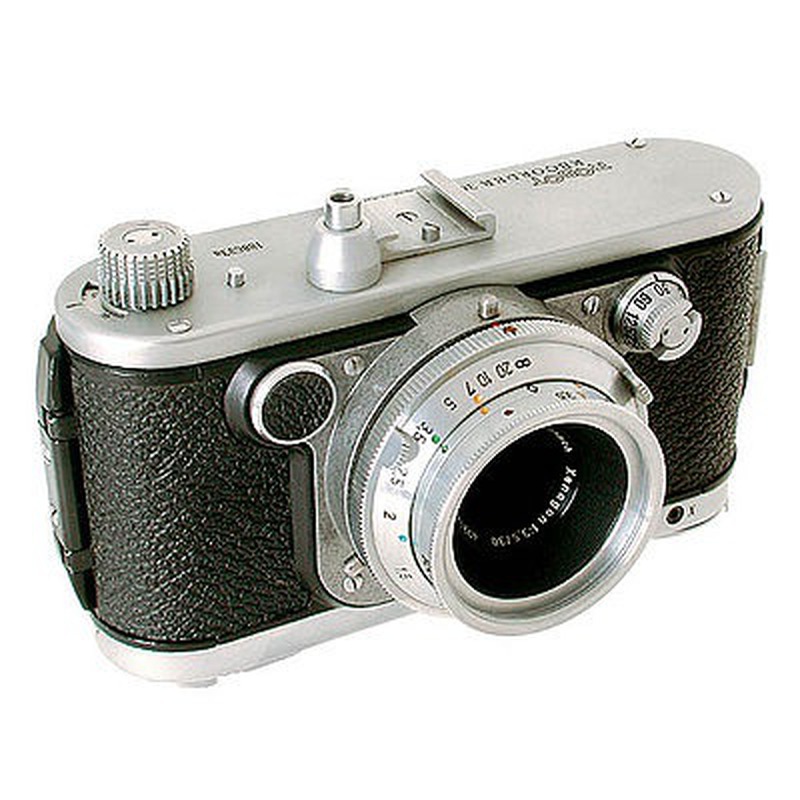
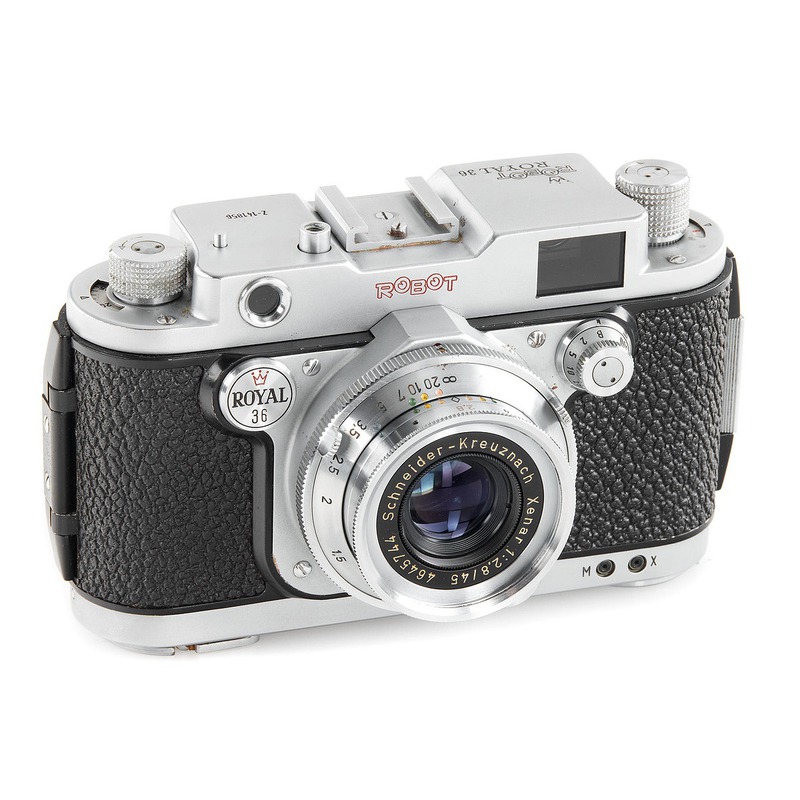
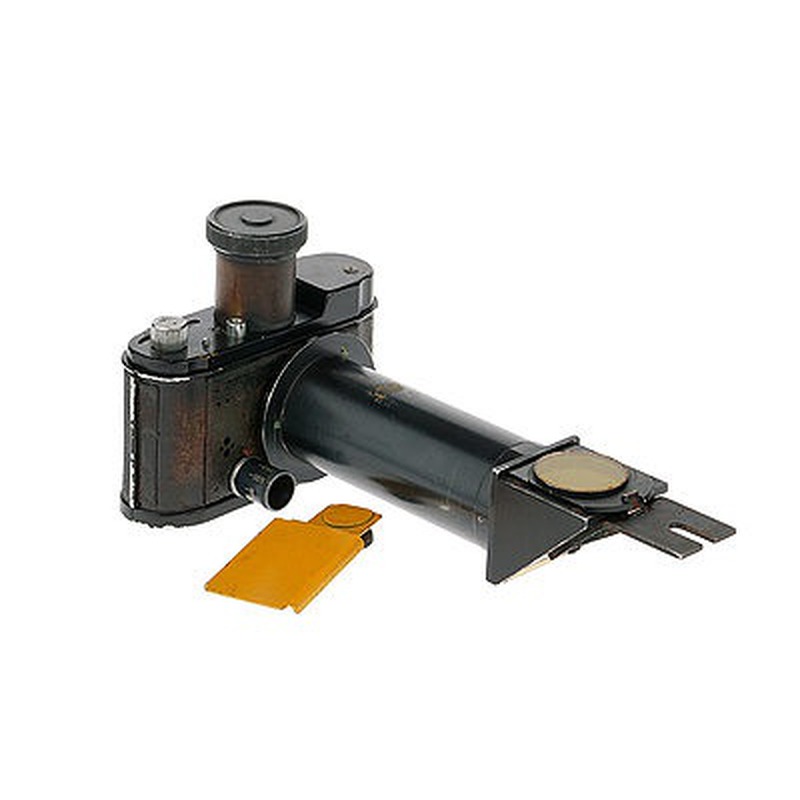
The Berning Robot Recorder 24 represents a distinct chapter in mid-20th-century 35mm photography, building upon the legacy of Robot's earlier motor-driven cameras. Produced from 1955 to 1960, it maintained the company's signature spring-wound motor drive, allowing for rapid sequence shooting without manual winding – a feature primarily used by professionals like press photographers and for scientific/documentary work where speed was essential. The camera itself retained Robot's characteristic rectangular body shape, often resembling a small box, with controls including a coupled rangefinder for focusing and a central shutter. While sharing the core motor-drive innovation that set Robot apart, the Recorder 24 lacked the widespread adoption or system status achieved by contemporaries like the Leica M series or Nikon F. Its niche appeal stemmed from the unique convenience of the built-in motor, filling a specific need for rapid-action photography before more sophisticated motor drives became integrated into mainstream SLR designs.
Utilizing standard 135 (35mm) film, the Recorder 24 offered a practical solution for photographers needing fast action capture without the bulk of separate motor drives. Its design prioritized function over finesse, featuring a robust construction typical of the era but with a utilitarian aesthetic rather than the premium finish of German or Japanese luxury brands. The camera operated entirely manually, requiring users to set shutter speeds and apertures themselves. While technically proficient for its intended purpose, the Recorder 24's impact was limited by Robot's relatively small market presence and the camera's specialized nature, preventing it from achieving broader historical recognition or influencing mainstream photographic trends beyond its dedicated user base.
Specifications
| Film Format | 135 |
/main.jpg)
/main.jpg)
 Enjoy this museum? Support on Ko-fi