/main.jpg)
Pricing
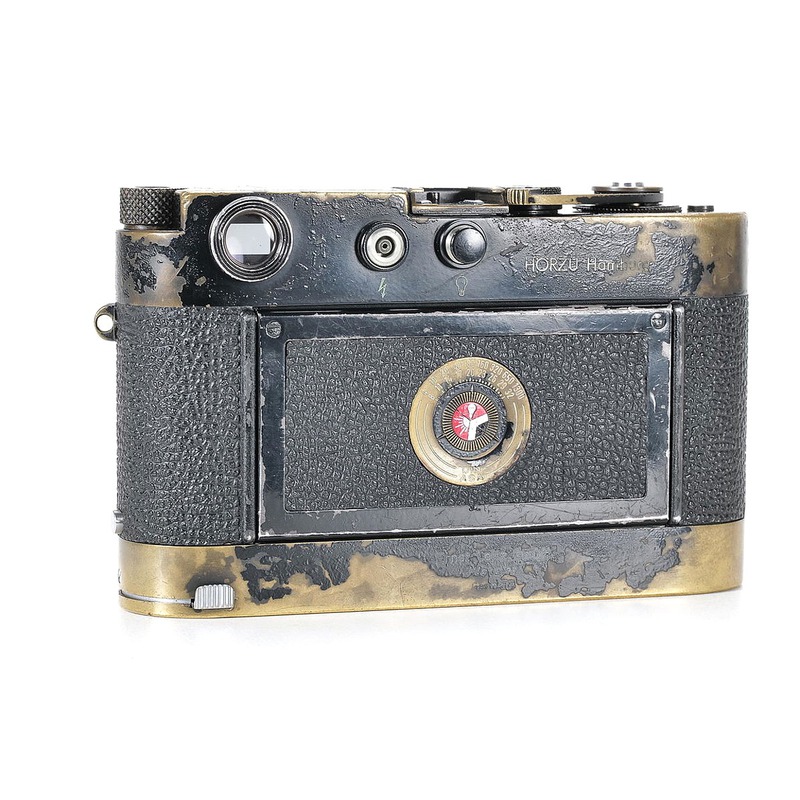
Leica M3 black paint (second batch)
Leica · Germany · 1961 · 135 film
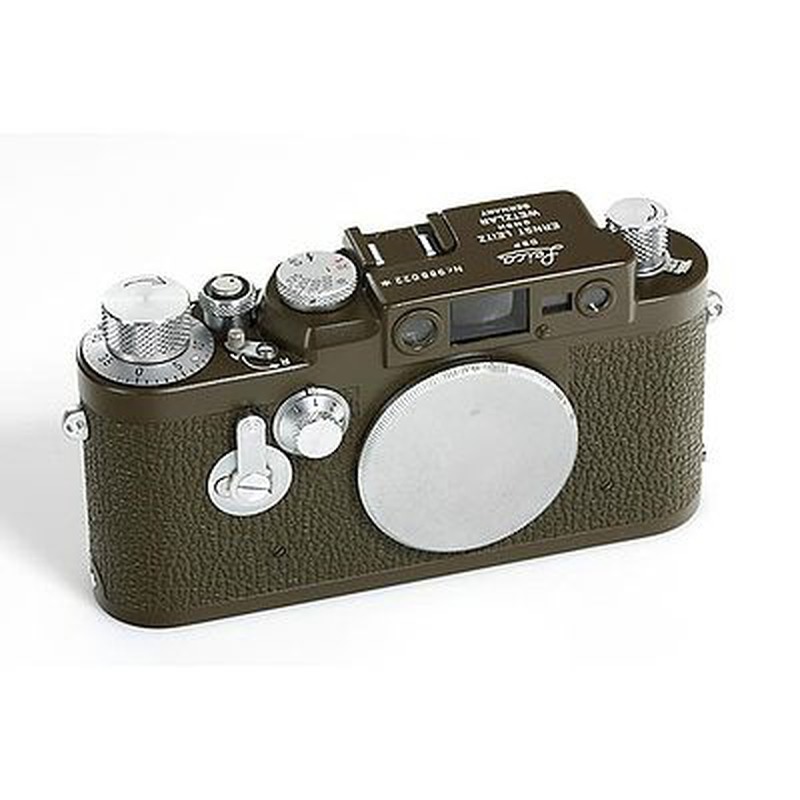
The Leica M3 black paint (second batch) represents a pinnacle achievement in 35mm rangefinder camera design, embodying post-war German precision engineering at its finest. Introduced in 1961 as part of the iconic M3 line (first launched in 1954), this specific iteration utilized the durable black paint finish applied directly over the brass baseplate, distinguishing it from the standard chrome models and signifying its professional-grade status. The camera revolutionized 35mm photography by introducing the reliable and fast Leica M bayonet lens mount, superseding the earlier screw mount, and featuring a unique bright-line viewfinder with automatic parallax compensation and magnification switch for 50mm, 90mm, and 135mm lenses – an unprecedented clarity and versatility for its time. Its coupled rangefinder offered exceptional focusing precision, while the cloth focal-plane shutter provided reliable speeds from 1 second to 1/1000th second, making it a formidable tool for photojournalists and demanding amateurs alike. Renowned for its meticulous craftsmanship, solid brass construction, and beautifully engineered controls, the M3 set the benchmark against which other rangefinders were judged, influencing camera design for decades. Legendary photographers such as Henri Cartier-Bresson, Robert Capa, and countless others wielded M3s as extensions of their vision, solidifying its place in photographic history not just as a tool, but as a cultural icon of documentary and street photography.
The 1961 black paint variant, while functionally identical to its chrome counterpart, holds a special allure for collectors due to its distinct aesthetic and association with Leica's most revered era. The black paint was less common, applied specifically for durability and a non-reflective finish valued in certain shooting environments, often preferred by professionals working in challenging conditions. Its construction remains a benchmark of mechanical excellence, featuring robust materials and tolerances that ensure longevity, with many examples still operating flawlessly decades later. The M3's design philosophy centered on simplicity, reliability, and unobtrusive operation, focusing the photographer entirely on the subject. Its legacy extends beyond mere production; the M3 fundamentally shaped the course of 35mm photography, establishing the M system that Leica continues to evolve today, and its influence is evident in countless rangefinder and hybrid designs from other manufacturers. Owning a second-batch black paint M3 is akin to possessing a piece of photographic history, representing the zenith of analog rangefinder craftsmanship.
Specifications
| Film Format | 135 |
/main.jpg)
 Enjoy this museum? Support on Ko-fi