Pricing
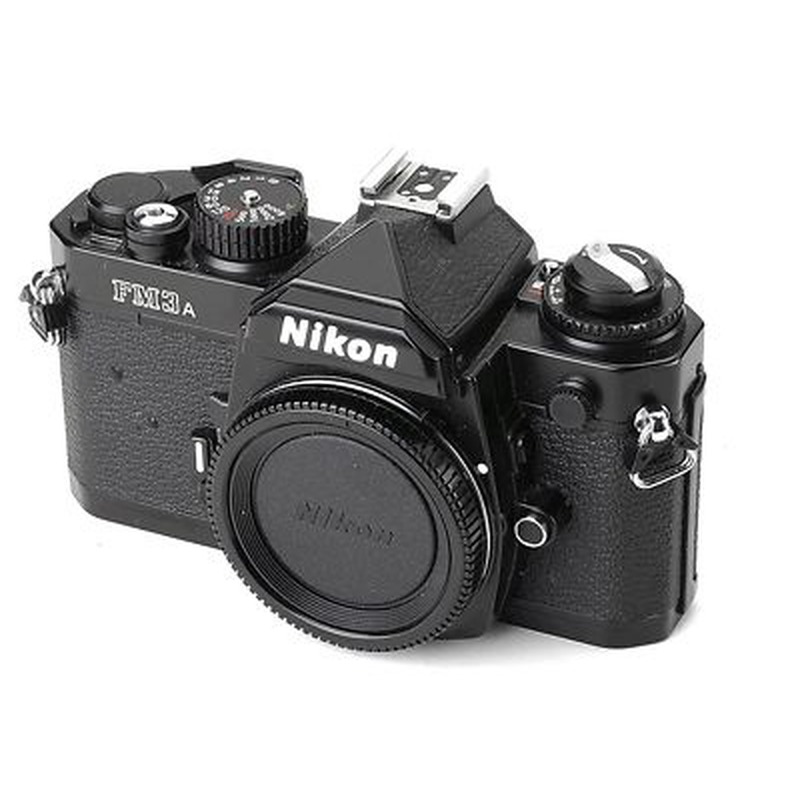
Nikon FM3A
Nikon · Japan · 2001–2006 (5 years) · 135 film
The Nikon FM3A stands as a remarkable bridge between traditional film photography and modern electronic convenience in an increasingly digital world. Released in 2001, this 35mm SLR was essentially an evolution of Nikon's classic FM2n model, but with significant electronic enhancements. The camera maintained the mechanical simplicity that film photographers cherished while introducing an electronic shutter option and automatic exposure capabilities. This hybrid approach allowed photographers to shoot with batteries for precision electronic speeds up to 1/4000 second, or switch to a fully mechanical mode for up to 1/4000 second without battery power—a unique feature that appealed to purists who wanted ultimate reliability in any situation.
Manufactured by Nikon Corporation in Japan on small-volume assembly lines from 2001 to 2006, the FM3A represented a niche product in a market rapidly shifting toward digital photography. Its construction reflected Nikon's commitment to quality, featuring a robust metal body and precision engineering typical of their professional film SLRs. Despite being developed during the digital revolution, the FM3A's TTL center-weighted metering system and compatibility with Nikon's extensive F-mount lens system made it a versatile tool for photographers who appreciated the tactile experience of film while desiring some modern conveniences. The camera's existence demonstrated Nikon's continued respect for traditional photographic methods even as the industry moved forward.
In the broader context of photographic history, the FM3A served as a testament to the enduring appeal of mechanical cameras in an increasingly electronic world. Its hybrid design offered a solution for photographers who couldn't fully embrace digital technology but wanted the reliability of mechanical operation combined with modern precision. While not revolutionary in terms of technological breakthroughs, the FM3A represented a thoughtful compromise between traditional and modern approaches, appealing particularly to documentary photographers, photojournalists, and fine art photographers who valued the straightforward nature of film photography. The camera's limited production run from 2001 to 2006 means it occupies a unique position in Nikon's history—a high-quality film camera created during the company's transition to digital dominance.
Specifications
| Film Format | 135 |
| Shutter | hybrid electronic and mechanical |
| Metering | silicon photodiode light meter, TTL full aperture metering, EV 1 to EV 20 (f/1.4 at 1s to f/16 at 1/1000s at ASA/ISO 100 and with 50 mm f/1.4 lens |
| Weight | 570g |
 Enjoy this museum? Support on Ko-fi