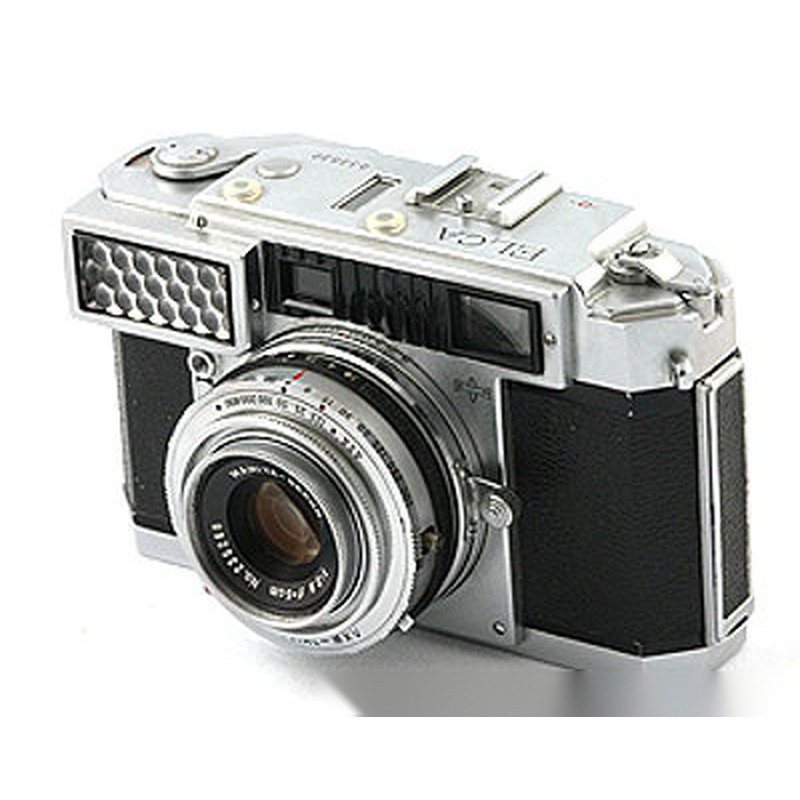
Mamiya Elca
Mamiya · Japan · 1958
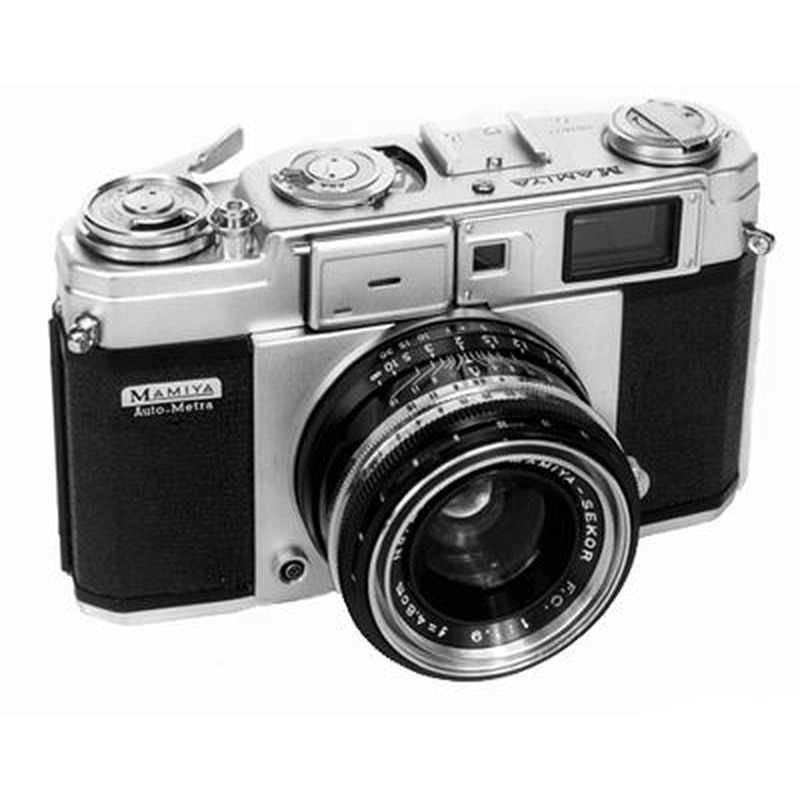
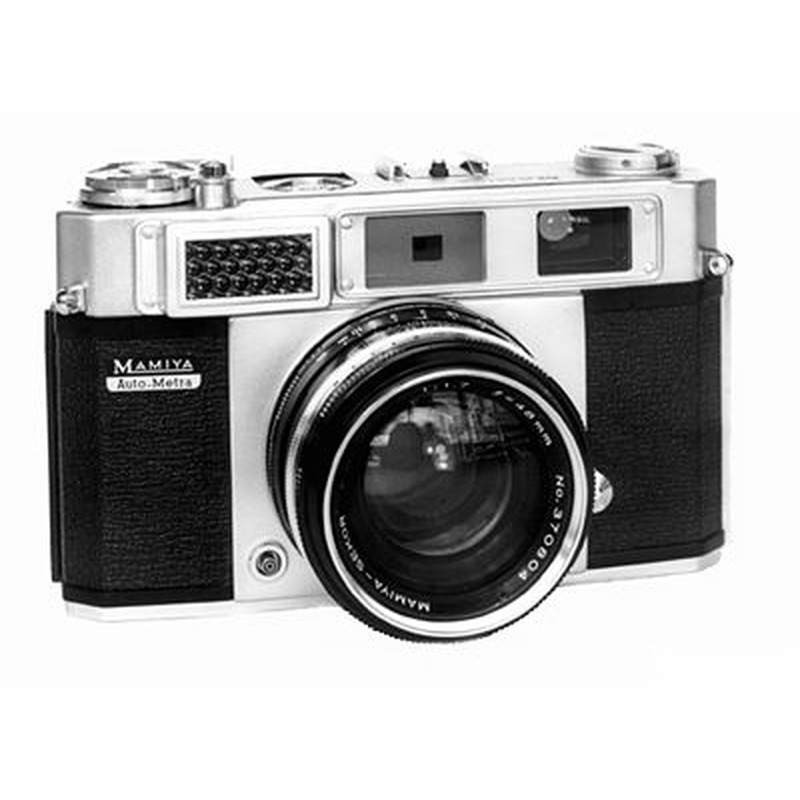
Introduced in 1958 by Mamiya, the Elca represents a significant but not revolutionary model in the company's product line. As a fixed-lens viewfinder camera, it likely targeted the mid-level consumer market, offering reliable functionality without the complexity or expense of interchangeable lens systems or advanced features common in Mamiya's professional offerings. Its design would have emphasized practicality and ease of use, employing robust construction typical of Japanese cameras from the late 1950s, utilizing materials like stamped metal and bakelite to keep costs down while ensuring durability for everyday photography. The Elca fulfilled a role as a dependable workhorse for amateur photographers seeking a straightforward, well-built camera during a period of rapid technological advancement in photography. It exemplifies Mamiya's strategy to diversify its offerings beyond its core medium format expertise, catering to the burgeoning 35mm film market.
While lacking the groundbreaking innovations of more iconic models, the Elca's significance lies in its role within Mamiya's broader history and as a representative example of Japanese camera manufacturing quality during the era. It provided accessible Mamiya quality to a wider audience, reinforcing the brand's reputation for producing reliable equipment. Its production run likely spanned several years, indicating a steady if unspectacular market presence. The camera serves as a functional piece of photographic history, illustrating the standard equipment choices available to typical consumers in the late 1950s and contributing to the diverse ecosystem of camera models that defined the period.
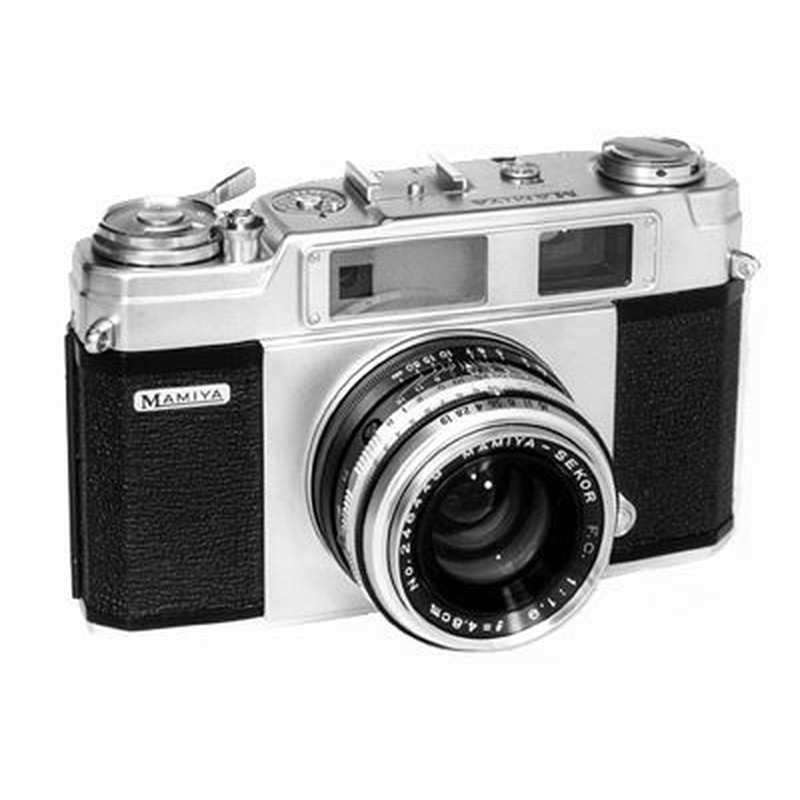
/main.jpg)
 Enjoy this museum? Support on Ko-fi