Pricing
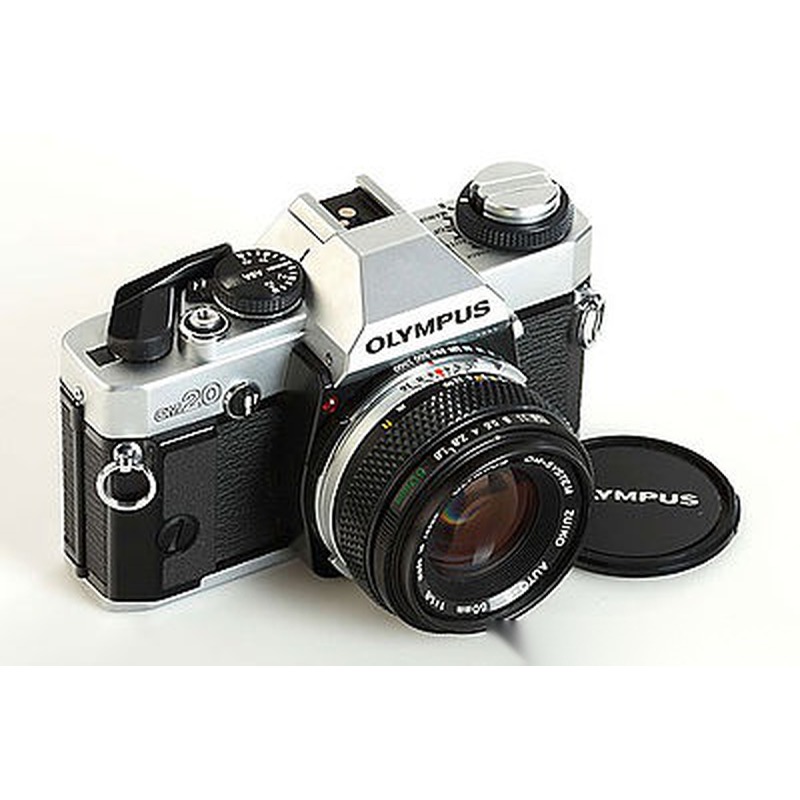
Olympus OM-20
Olympus · Japan · 1982–2002 (20 years) · 135 film
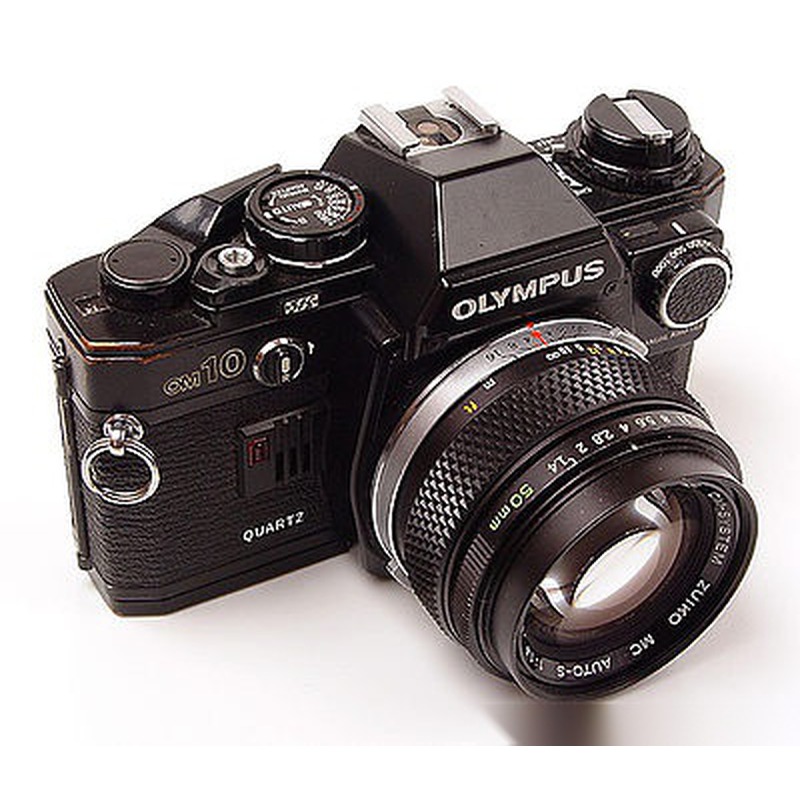
The Olympus OM-20 is a 35mm SLR camera introduced in 1982 as part of Olympus's influential OM system, which had revolutionized SLR photography with its remarkably compact design when launched in 1972. The OM-20 featured both program auto exposure and aperture-priority auto exposure modes, making advanced photography more accessible to enthusiasts who weren't comfortable with manual exposure settings. As an entry-level model in the prestigious OM lineup, it shared the system's signature ergonomic design and utilized the excellent Zuiko interchangeable lenses while maintaining compatibility with the extensive OM lens ecosystem. Produced continuously for an impressive 20-year run until 2002, the OM-20 demonstrated the durability and enduring appeal of Olympus's engineering approach during a period of rapid technological change in photography.
While the OM-20 benefited from being part of a groundbreaking camera system, it was ultimately a derivative model positioned at the more affordable end of Olympus's product range. Its significance lies in helping extend the life and relevance of the OM system during the transition from fully manual to more automated camera designs. The camera served as a practical bridge between the manual OM-1 enthusiasts and the increasingly automated consumer market, offering solid performance and Zuiko optical quality without the premium price of professional models. For photography historians, the OM-20 represents a thoughtful mid-tier offering that helped maintain Olympus's market presence while the company continued to refine its celebrated system.
Specifications
| Film Format | 135 |
/main.jpg)
 Enjoy this museum? Support on Ko-fi