/main.jpg)
Pricing
Ernemann Unette (22x33)
Ernemann · Germany · 1926 · 135 film
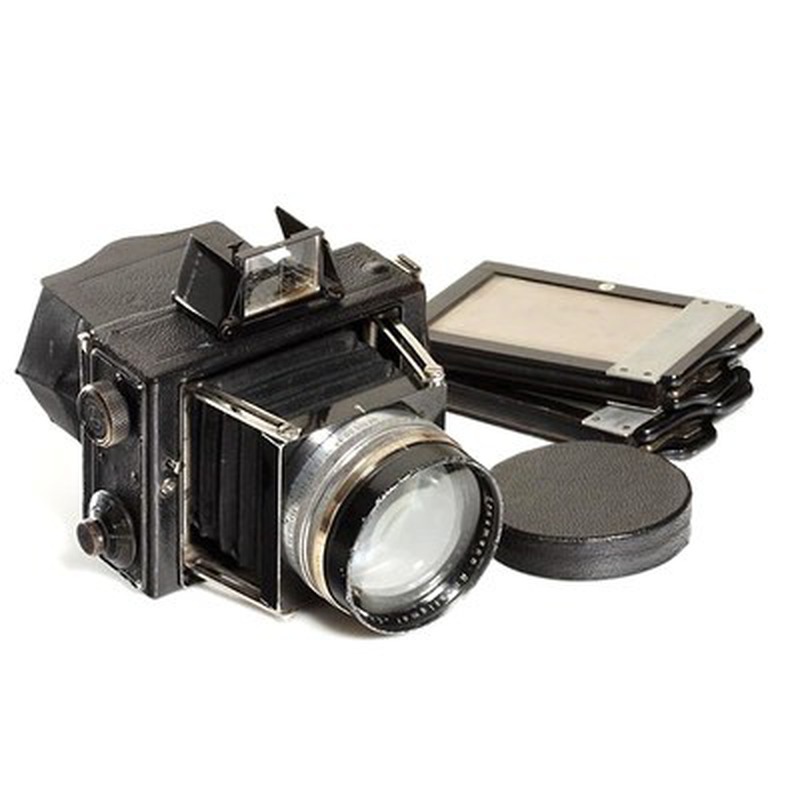
Introduced in 1926, the Unette (22x33) represents Ernemann's significant entry into the burgeoning 35mm still photography market, emerging just one year after the revolutionary Leica I. Positioned as a more affordable alternative to the Leica, the Unette utilized the same 135 film cassette format, aiming to bring the advantages of small, roll-film photography – such as convenience, reduced bulk, and lower operating costs compared to glass plates or medium format roll film – to a wider audience. Its "22x33" designation referred to the image dimensions in millimeters, capturing a negative slightly larger than the standard 24x36mm later popularized by Leica, though sharing the same core 35mm film width. As a product from the Ernemann company, known for its innovative large and medium format cameras before merging into Zeiss Ikon in 1926, the Unette embodied the era's transition towards miniature cameras driven by the rise of emulsion technology and the demand for portable equipment.
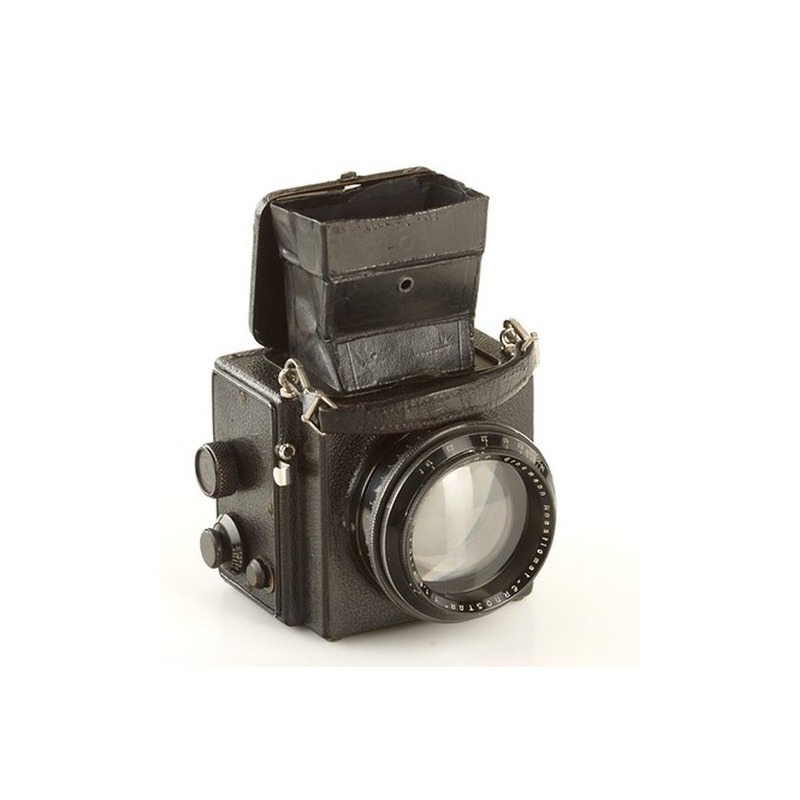
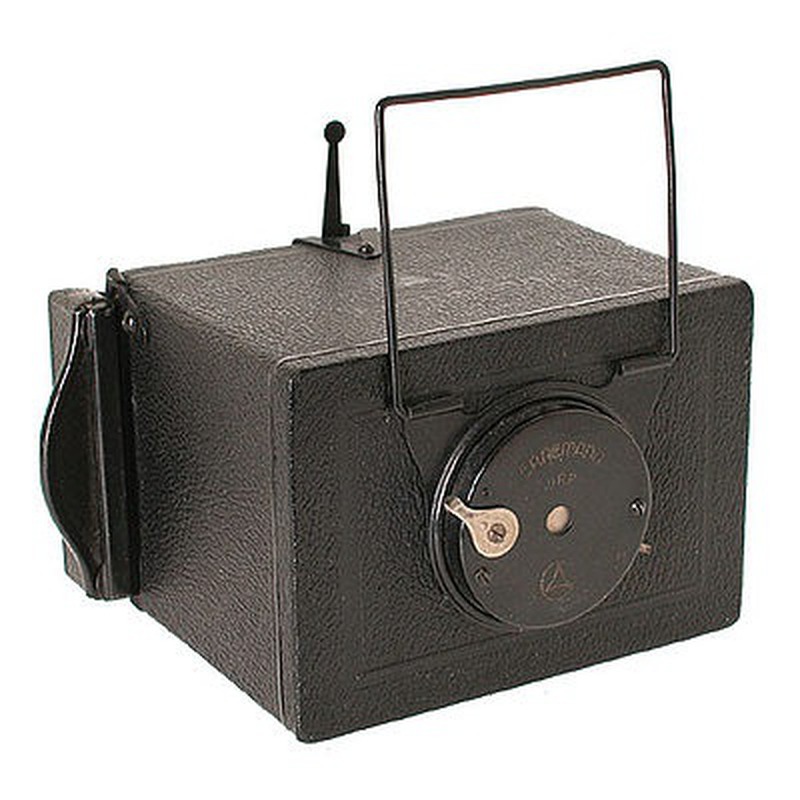
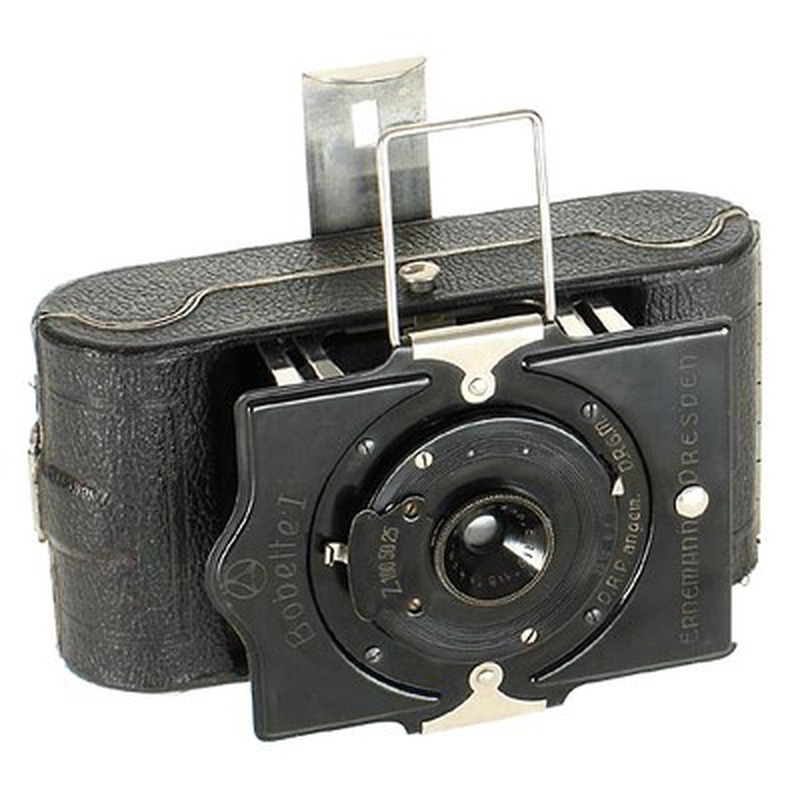
The Unette was a straightforward, compact camera typical of its time for the entry-level 35mm segment. It featured a simple body, likely constructed from metal (possibly aluminum alloys) with a basic viewfinder and a fixed or limited-range lens mount, potentially utilizing Ernemann's own optics or third-party lenses of modest specifications. Its design prioritized affordability and ease of use over advanced features or rugged construction, reflecting its target market as a practical solution for photographers seeking to experiment with 35mm photography without the premium cost of Leica models. While it lacked the groundbreaking status of the Leica I, the Unette held importance as a crucial player in the early popularization of 35mm film, demonstrating that viable miniature cameras could be manufactured and sold profitably outside the high-end niche, thereby contributing to the format's eventual dominance in amateur and professional photography.
Specifications
| Film Format | 135 |
/main.jpg)
 Enjoy this museum? Support on Ko-fi