/main.jpg)
Exakta Contax S (Model B)
Exakta · Germany
The Contax S (Model B) represents a significant refinement in the early development of the 35mm single-lens reflex (SLR) camera. Building upon the groundbreaking Contax S (Model A) of 1949, which was among the first SLRs to incorporate a pentaprism finder for eye-level viewing and correct image orientation, the Model B addressed initial manufacturing and usability challenges. Retaining the core SLR concept and the crucial pentaprism innovation that defined the Model A's importance, the Model B likely featured improved ergonomics, refined controls, and potentially enhanced reliability in its construction, solidifying the path towards mass-market SLR adoption. It emerged from the complex post-war collaboration between Zeiss Ikon and Japanese manufacturers like Asahi and Kowa, embodying the transition of camera technology leadership from Germany to Japan in the mid-20th century. This camera represents a pivotal step in the evolution of the modern SLR, moving beyond the niche towards broader professional and advanced amateur appeal.
As an early pentaprism-equipped SLR, the Contax S (Model B) offered photographers the significant advantage of true eye-level viewing and accurate focusing composition, a substantial improvement over waist-level finders or ground glass screens prevalent on earlier SLRs. Its association with the prestigious Contax name implied a commitment to high standards in optics and build, even if executed by Japanese partners under license. While specific technical details like exact year, shutter type, or lens mount aren't available here, its existence as a direct successor to the historically significant Model A positions it as a notable, though less frequently discussed, milestone in the history of 35mm photography. It bridged the gap between the revolutionary prototype and the flood of SLRs that would dominate the market by the late 1950s and 1960s.
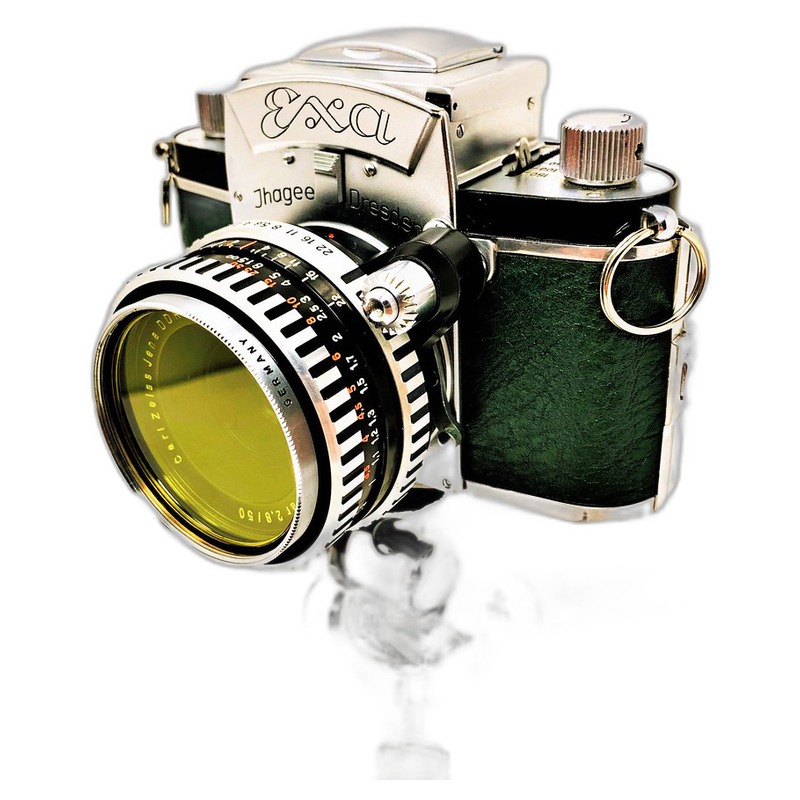
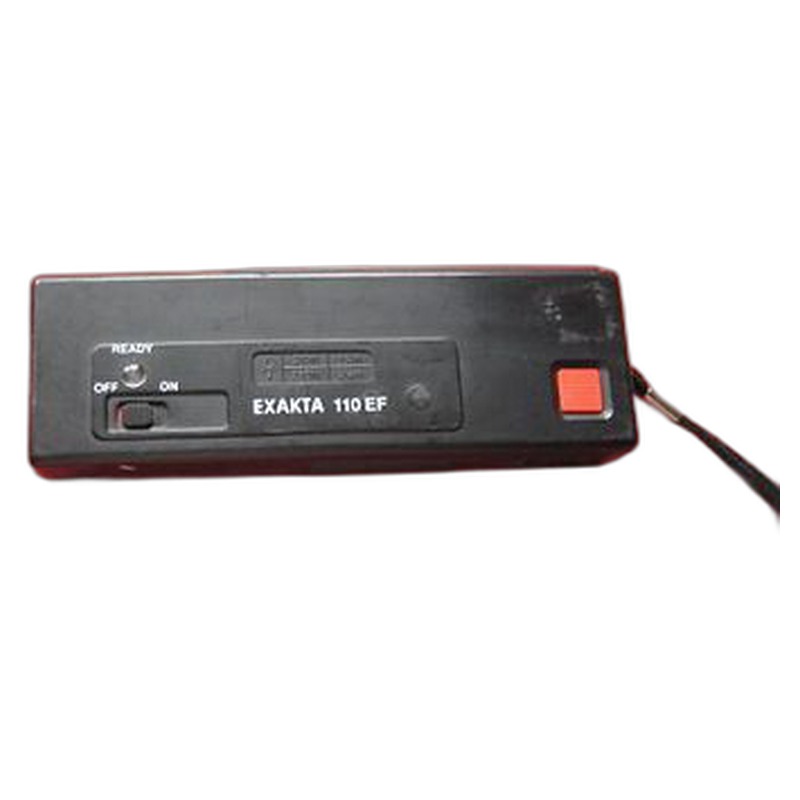
_(1939)/main.jpg)
_(1948)/main.jpg)
_black/main.jpg)
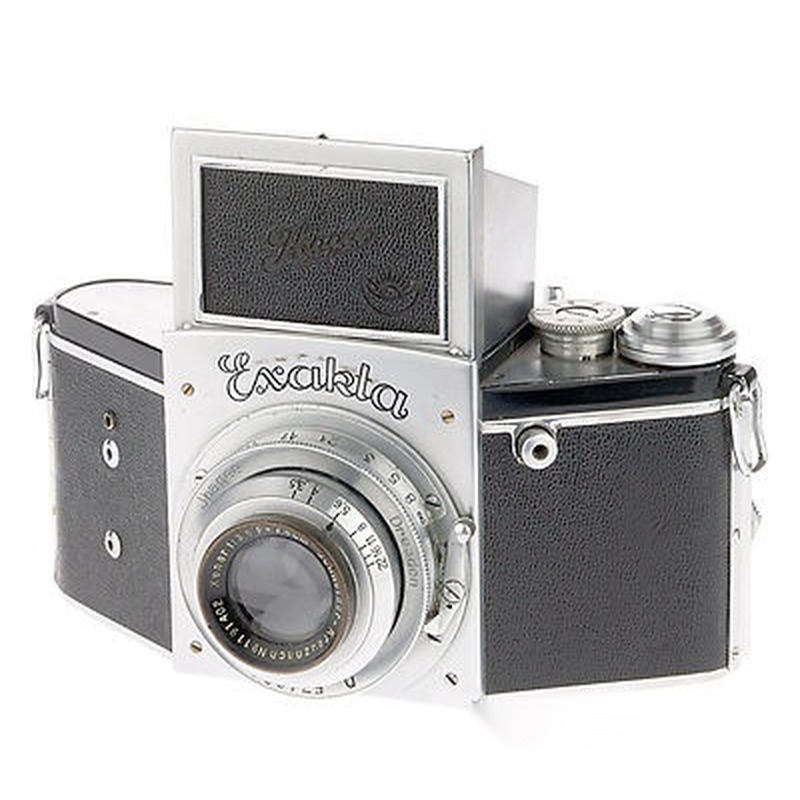
 Enjoy this museum? Support on Ko-fi