Pricing
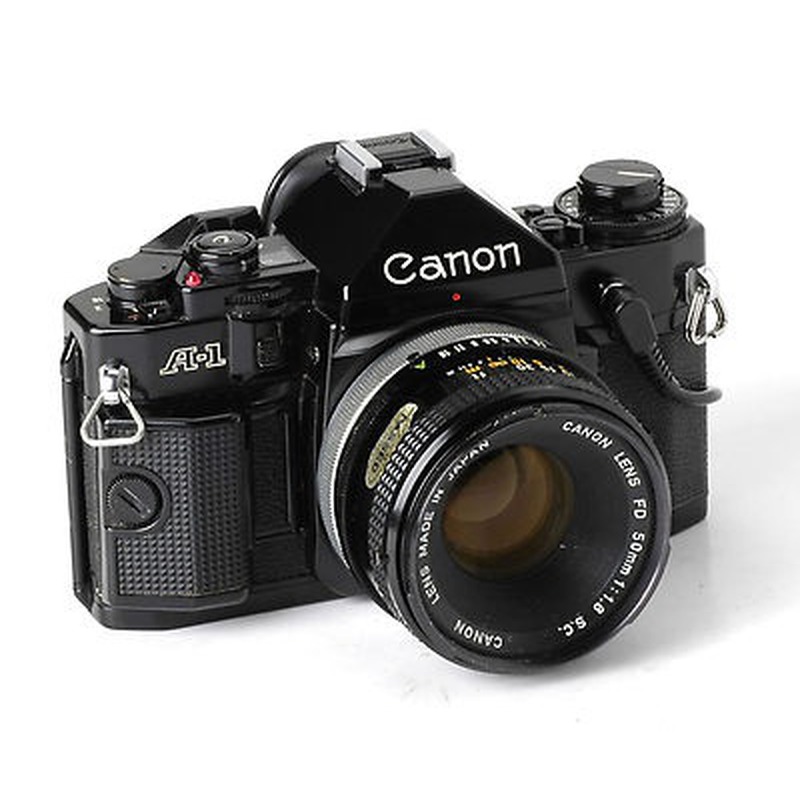
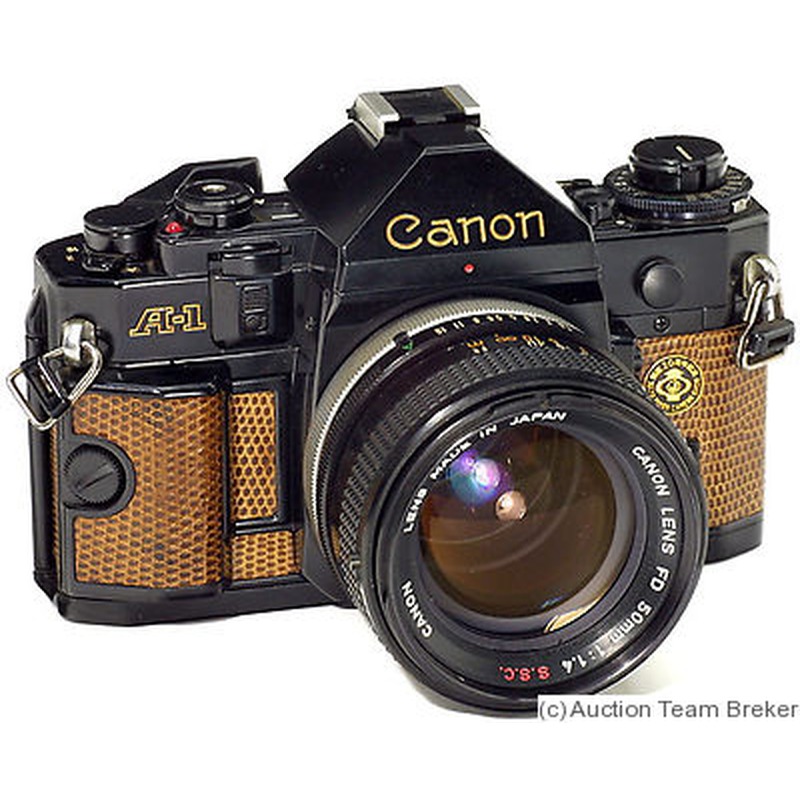
Canon A-1
Canon · Japan · 1978–1984 (6 years) · 135 film
The Canon A-1 represents a significant advancement in Canon's SLR technology during the late 1970s, bridging the gap between the popular AE-1 and more professional models. Introduced in 1978, it was Canon's first camera equipped with a microprocessor, enabling sophisticated exposure automation. Its most groundbreaking feature was the implementation of a full aperture-priority autoexposure system alongside shutter-priority and a flexible program mode, all selectable via a distinctive shutter speed dial integrated with the exposure compensation dial. This combination offered photographers unprecedented control over exposure automation while retaining manual override capabilities. Built around a robust metal chassis with durable controls and the reliable Canon FD lens mount, the A-1 solidified Canon's reputation for producing sophisticated yet accessible SLR cameras, competing directly with models like the Nikon FM2 and Olympus OM-2.
For its era, the A-1 was highly regarded for its comprehensive feature set including center-weighted and selective spot metering, a shutter range from 1/1000s to 30s, a 1/60s sync speed, and a bright standard prism finder. It incorporated several innovations like a viewfinder shutter to protect the eyepiece and a unique shutter speed/aperture display visible through the viewfinder. While not the *absolute* pinnacle of SLR technology like the contemporary Nikon F2 or later professional models, the A-1's advanced automation, reliable build, and comprehensive metering made it a workhorse for serious amateurs and professionals seeking modern convenience without sacrificing image quality or control. It played a crucial role in Canon's market expansion and demonstrated the practical power of microprocessor integration in 35mm SLRs.
Specifications
| Film Format | 135 |
 Enjoy this museum? Support on Ko-fi