Pricing
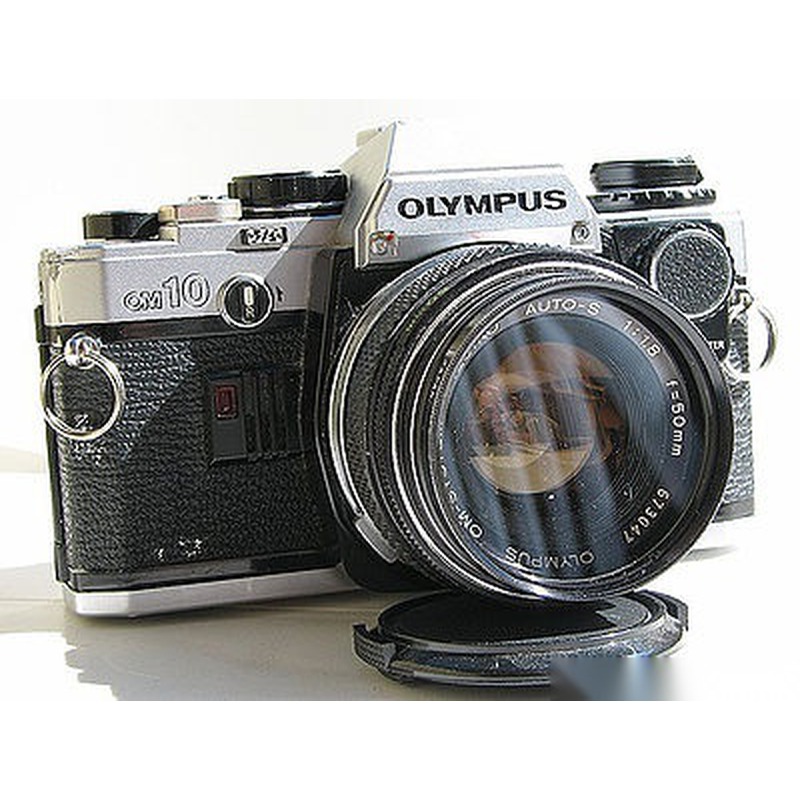
Olympus OM-10
Olympus · Japan
The Olympus OM-10, introduced in 1979 as the entry-level model in the Olympus OM system, was designed to bring the benefits of Olympus's compact SLR design to a wider audience. It offered aperture-priority automatic exposure, a significant feature for the time that simplified shooting while allowing creative control over depth of field. Built around the same compact, lightweight chassis as the more professional OM-1 and OM-2, the OM-10 utilized the excellent Zuiko interchangeable lenses, maintaining system compatibility. Its key innovation was its automatic exposure metering, activated via a small window on the front plate, which made advanced photography more accessible without the need for manual exposure calculations, though it lacked a full manual mode.
While sharing the system's renowned handling and compactness, the OM-10 was distinguished by its more affordable construction, featuring a polycarbonate body compared to the metal bodies of its siblings. It was a practical and capable camera for enthusiasts and those stepping up from simpler models, solidifying Olympus's reputation for user-friendly, high-quality SLRs during the film SLR boom. Its production run until 1987 highlights its sustained popularity and role in making the OM system versatile across different user segments.
 Enjoy this museum? Support on Ko-fi