Pricing
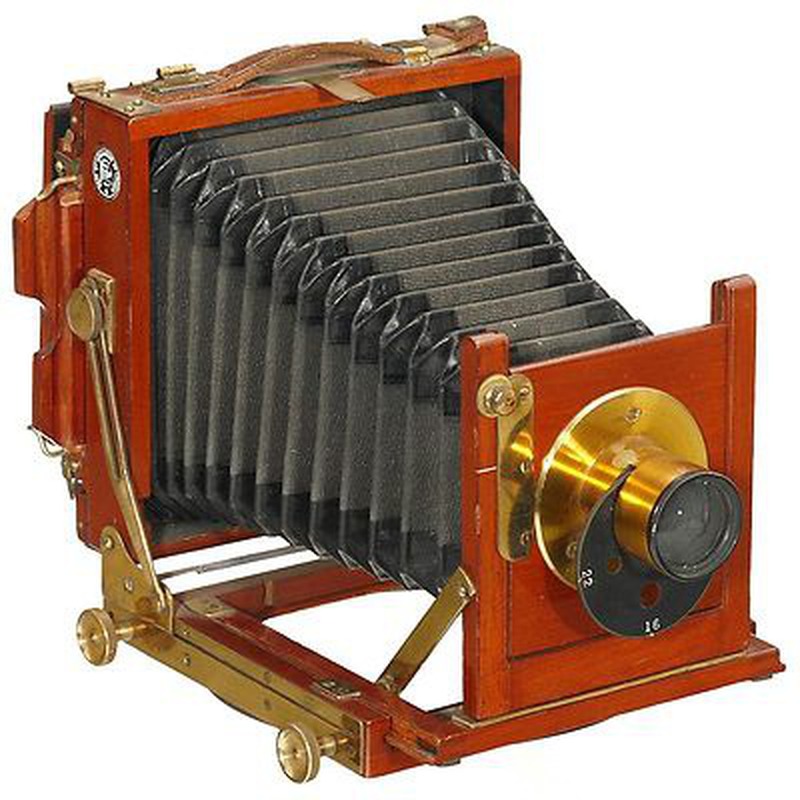
Houghton Ensign Victo
Houghton · UK · 1900 · 135 film
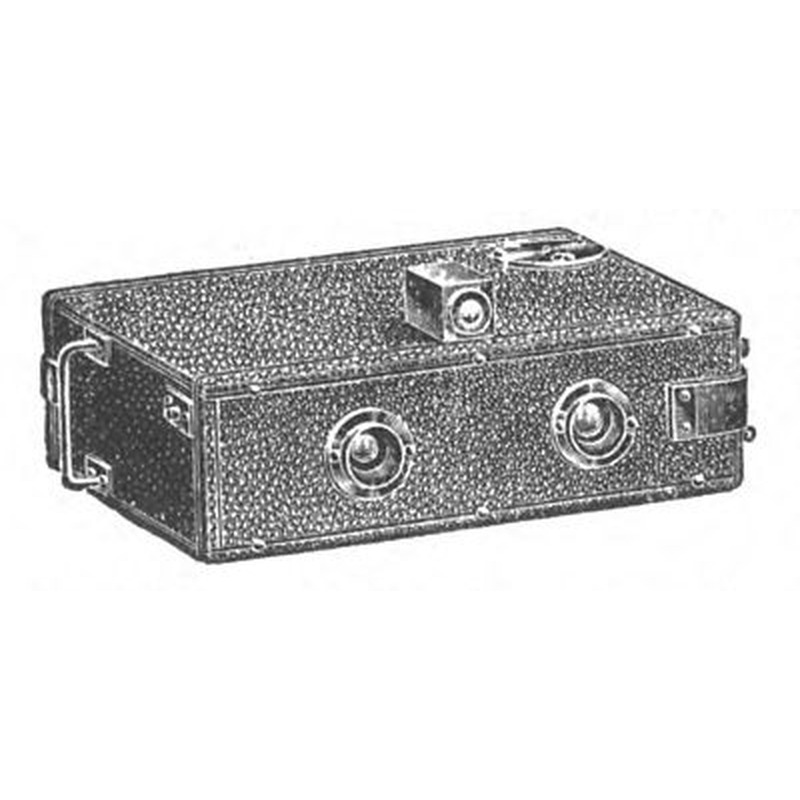
The Ensign Victo, introduced by Houghton-Butcher Manufacturing Co. in 1900, holds a pivotal place in photographic history as the first camera specifically designed to use standard 35mm motion picture film. While initially overshadowed by larger formats, its compact size and use of readily available film stock represented a radical departure from the cumbersome glass plate and roll film cameras prevalent at the turn of the century. Designed as a straightforward, handheld camera, the Victo utilized cassettes to load 35mm film, typically yielding exposures of approximately 18 x 24mm per frame. Its introduction was driven by the desire to create a truly portable and relatively affordable camera for amateur photographers, foreshadowing the small-format revolution that would later be dominated by Leica. The Victo's existence alone proves that the concept of miniature photography using 35mm film was viable decades before Leica's commercial success.
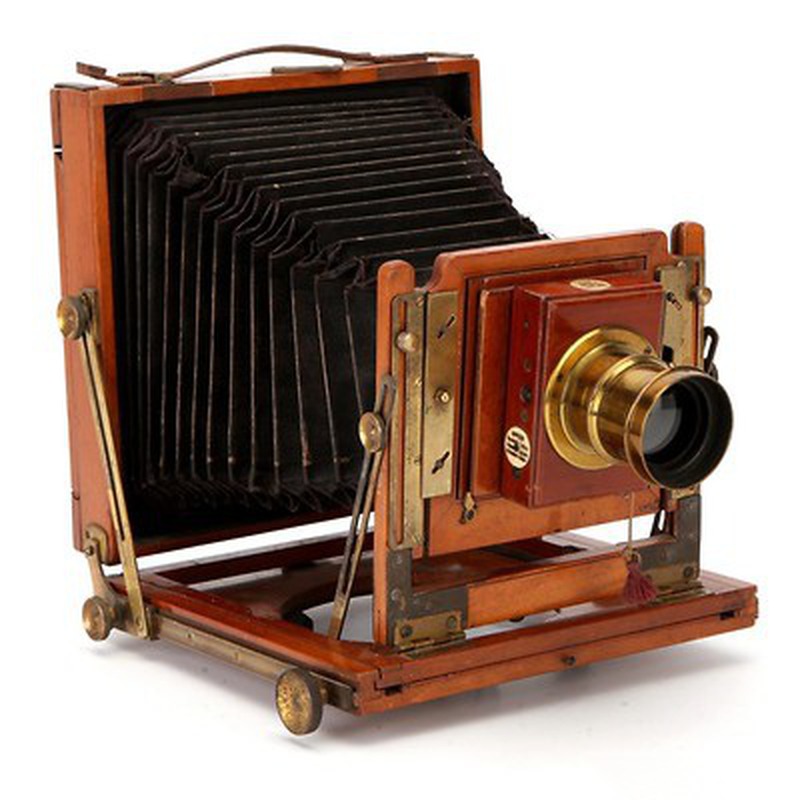
In terms of design and function, the Victo was a simple yet robust plate camera body adapted for film. It lacked the complex rangefinders or coupled shutters of later cameras; instead, it typically featured a simple focal plane shutter and required the photographer to estimate focus and exposure manually. Its significance lies not in sophisticated features but in its fundamental role as a trailblazer. By successfully adapting movie film for still photography in a practical camera, the Victo demonstrated the potential of miniature formats decades before they became mainstream. This innovation laid the essential groundwork upon which icons like the Leica would later build, directly influencing the development of 35mm photography as the dominant format for decades.
Specifications
| Film Format | 135 |
/main.jpg)
/main.jpg)
 Enjoy this museum? Support on Ko-fi