/main.jpg)
Pricing
Kodak Retinette II (160)
Kodak · USA · 1939–1941 (2 years) · 135 film
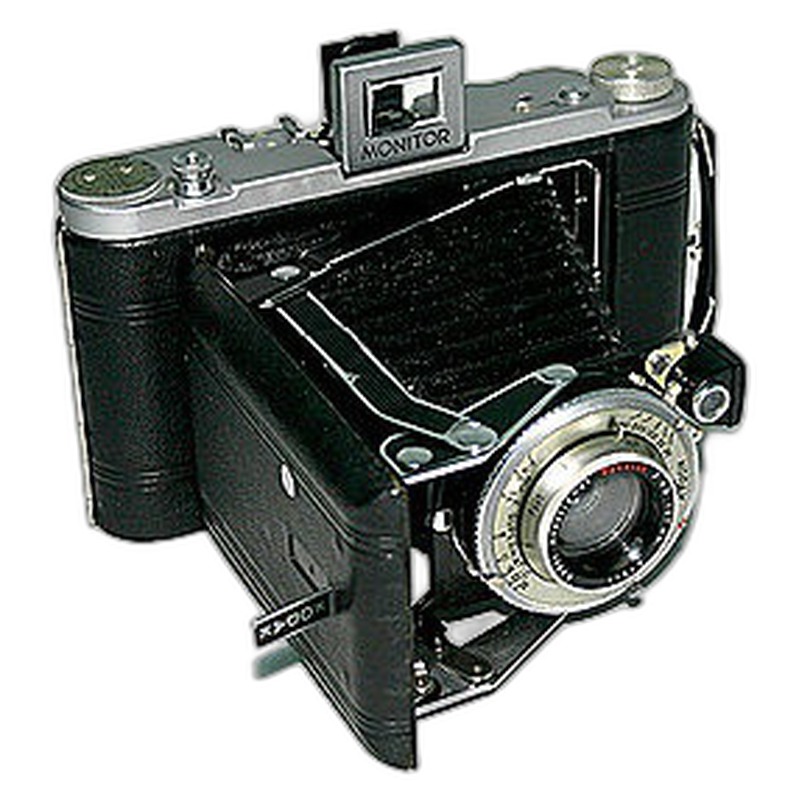
The Retinette II (160) represents Kodak's mid-range 135 format offering during the late 1930s and early 1940s. Designed as a straightforward, user-friendly camera, it featured a simple viewfinder, a fixed lens (likely a Kodak Anastigmat), and a modest set of shutter speeds. Its construction prioritized affordability and accessibility over high precision or extensive features, targeting the growing amateur market seeking convenient 35mm photography without the cost of premium European imports. Produced as global tensions escalated, its manufacturing spanned the critical pre-war years and the initial phase of World War II, reflecting the industry's efforts to maintain consumer camera availability during a turbulent period. The "160" designation likely relates to its initial list price.
As part of Kodak's extensive Retinette family, the II (160) exemplifies the company's strategy to democratize 35mm photography through reliable, no-frills designs. It lacks the groundbreaking innovations of contemporaneous landmark models, instead focusing on providing a functional entry point into the 35mm format for casual photographers. Its typical construction involved metal alloys and basic bakelite or similar materials, suitable for its intended purpose of everyday picture-taking but not engineered for exceptional longevity or precision mechanics compared to higher-end cameras of the era. It remains a representative example of mid-range American 35mm manufacturing just before and during the war.
Specifications
| Film Format | 135 |
 Enjoy this museum? Support on Ko-fi