/main.jpg)
Pentax K (chrome)
Pentax · Japan
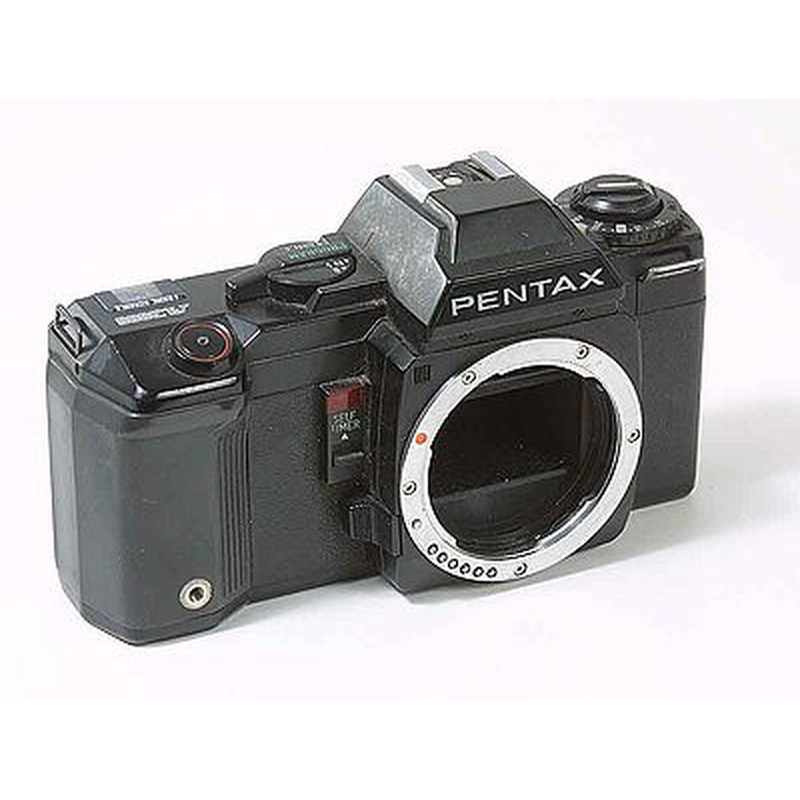
The Pentax K (chrome) represents a pivotal moment in 35mm single-lens reflex (SLR) camera design, marking the transition of Pentax from the unreliable M42 screw mount to their revolutionary proprietary K-bayonet lens mount introduced in 1975. This chrome-finished camera, while sharing the core SLR functionality of its predecessors, was defined by the quick, positive lens coupling of the K-mount, allowing for faster lens changes and fully open aperture viewing and metering – a significant advancement over M42 cameras requiring manual aperture stop-down. It embodied Pentax's engineering pragmatism and their commitment to making advanced photographic capabilities more accessible to enthusiasts. As the foundation for the Pentax K series, including the later super successful K2 and K1000, it directly paved the way for decades of Pentax SLR dominance through its robust, user-friendly lens mount system. Its design emphasized functional reliability and tactile control over sleekness, characteristic of mid-70s Japanese engineering philosophy.
While not achieving the iconic status of contemporaries like the Nikon F or later autofocus pioneers, the Pentax K (chrome) holds significant importance as the practical bridge between the M42 era and the modern K-mount system that Pentax still utilizes today. It exemplifies the refinement of manual SLR technology at a time when photography was rapidly evolving. Its chrome construction was durable and utilitarian, contributing to a reputation for dependable performance. This camera served as a workhorse for countless photographers and photographers-in-training, cementing the K-mount's reputation for reliability and its vast legacy of compatible lenses continues to be relevant for digital Pentax users via adapters. It stands as a crucial, albeit less famous, milestone in the democratisation of interchangeable lens photography.
 Enjoy this museum? Support on Ko-fi