/main.jpg)
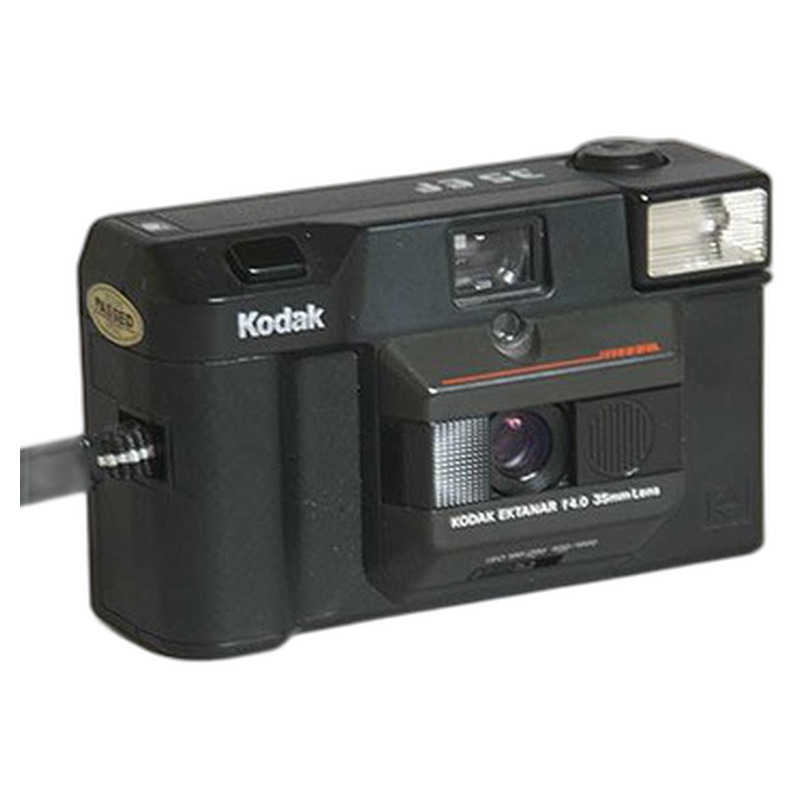
Kodak Retina II (142)
Kodak · USA
The Kodak Retina II (142) represents a significant step in Kodak's venture into high-quality 35mm cameras during the mid-20th century. As part of the renowned Retina series, it was designed in partnership with the German camera maker Nagel and inherited many of that company's engineering principles. This model, an evolution of the original Retina II, featured a coupled rangefinder for precise focusing, distinguishing it from earlier simpler models and allowing photographers greater control over composition and sharpness. The camera utilized a high-quality Schneider Kreuznach Xenon lens, a testament to Kodak's commitment to optical performance even as it expanded its camera lineup beyond roll film formats. Its compact folding design was crucial for portability, making practical 35mm photography accessible to serious amateurs who previously might have only considered larger or more expensive options.
While sharing the 35mm format with pioneering Leica models, the Retina II (142) positioned itself as a more affordable yet still well-engineered alternative, bridging the gap between simple snapshot cameras and professional rangefinder systems. Its release coincided with Kodak's broader strategy of leveraging its film dominance into camera manufacturing, aiming to increase film consumption through accessible, high-quality equipment. The camera demonstrated Kodak's ability to innovate within the compact form factor, incorporating features like self-timer and flash synchronization that enhanced its practicality for everyday photography, thereby playing a notable role in popularizing the 35mm format among enthusiasts rather than just professionals or the elite.
/main.jpg)
 Enjoy this museum? Support on Ko-fi