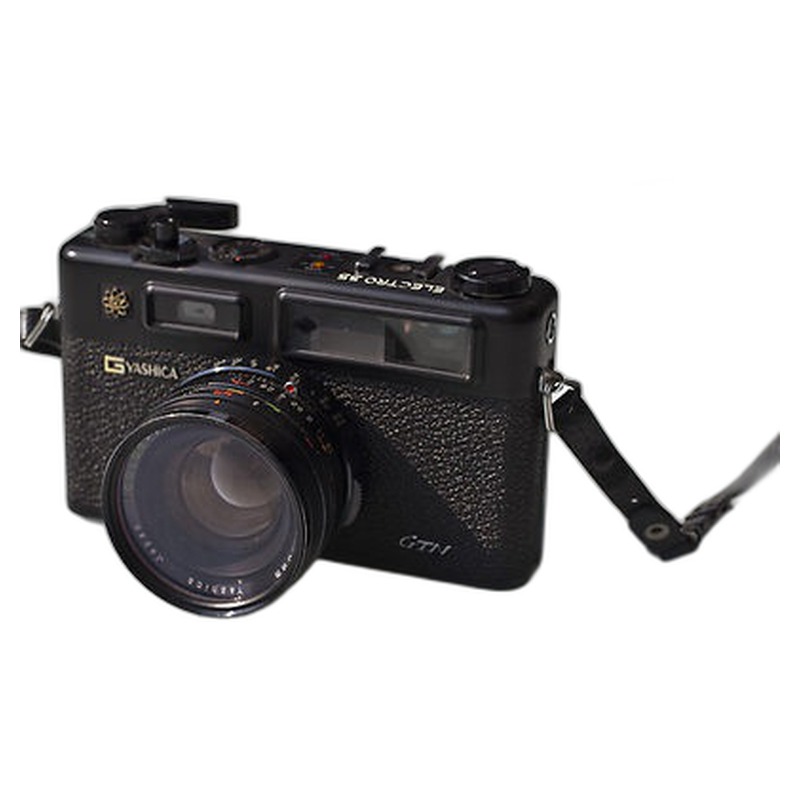
Yashica Electro 35 GTN
Yashica · Japan
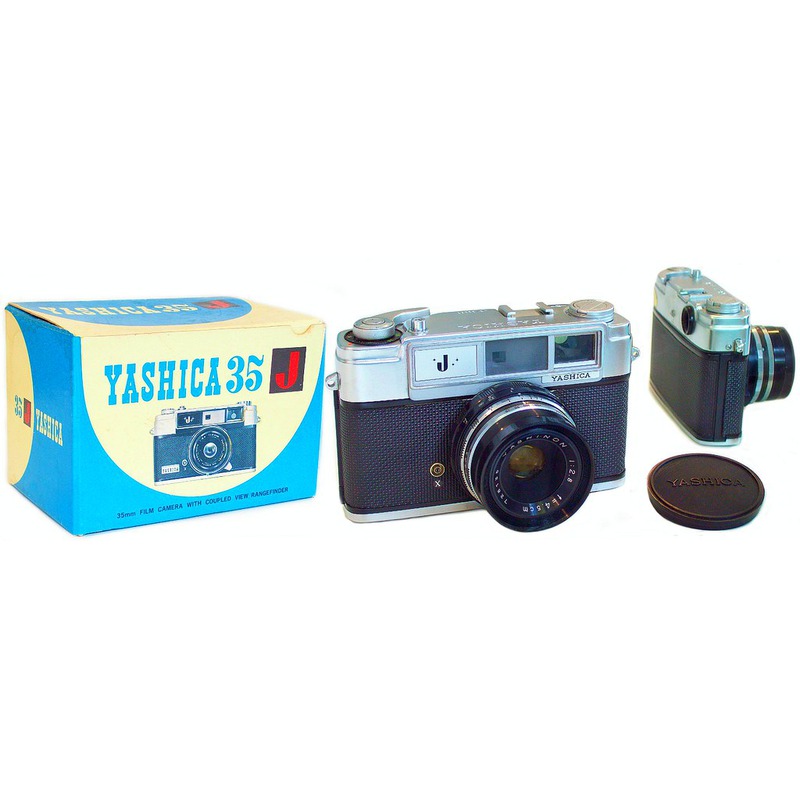
The Yashica Electro 35 GTN was a highly successful and representative model within the renowned Electro 35 series, launched by Yashica in the late 1960s and produced well into the 1970s. It exemplifies the shift towards automatic exposure control in 35mm rangefinder cameras, targeting amateur photographers seeking simplicity without sacrificing image quality. The core innovation was its fully automatic exposure system, driven by a CdS (Cadmium Sulfide) photocell located behind the distinctive front-facing selenium cell cover window. This system automatically selected the correct shutter speed once the aperture was set, significantly easing the process of capturing correctly exposed images under a wide range of lighting conditions. It featured a fixed 45mm f/1.7 Color-Yashinon lens, widely regarded for its sharpness and contrast, coupled with a reliable coupled rangefinder for precise focusing. The GTN, an updated version of the earlier Electro 35, offered improved ergonomics and refined metering, solidifying its reputation as a user-friendly yet capable camera. It gained considerable popularity as a reliable workhorse, often used by photojournalists as a backup body and favored by countless enthusiasts for its ease of use and excellent optical performance, becoming one of the best-selling rangefinder cameras of its era.
Beyond its automatic exposure and quality optics, the Electro 35 GTN was known for its robust, all-metal construction and straightforward controls. The camera featured a cloth focal-plane shutter with speeds ranging automatically from 1/500s down to 1s, plus "B" bulb mode. Its design included a bright viewfinder superimposed over the rangefinder patch for easy focusing. The GTN became synonymous with accessible, high-quality 35mm photography during a period when Japanese manufacturers were democratizing advanced camera features. Its widespread adoption cemented Yashica's position in the camera market and demonstrated the viability and desirability of automatic exposure systems for mainstream photographers, leaving a significant mark on the history of user-oriented camera design.
 Enjoy this museum? Support on Ko-fi