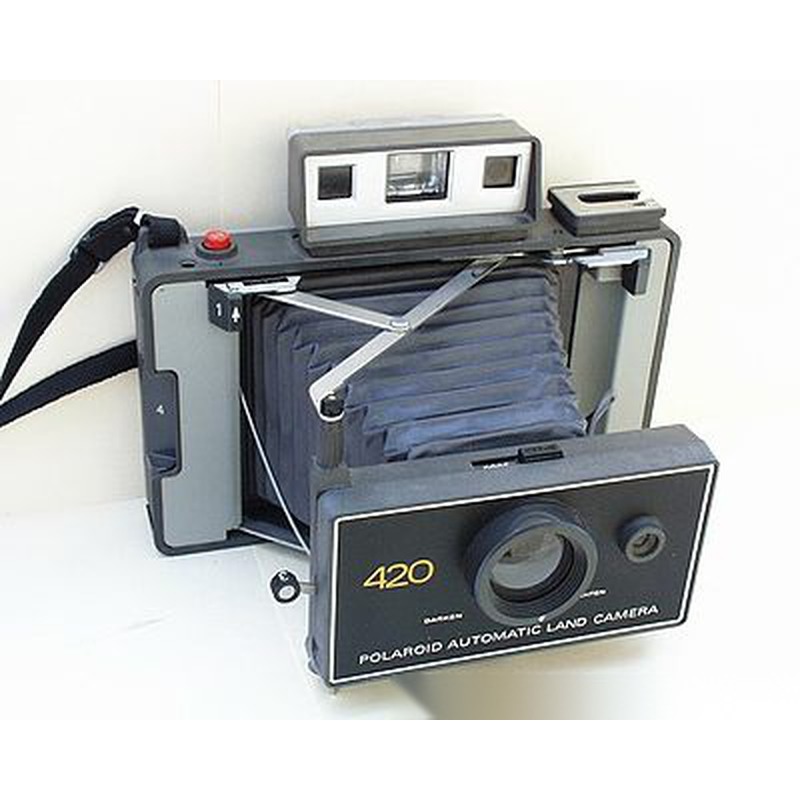
Polaroid 420
Polaroid · USA
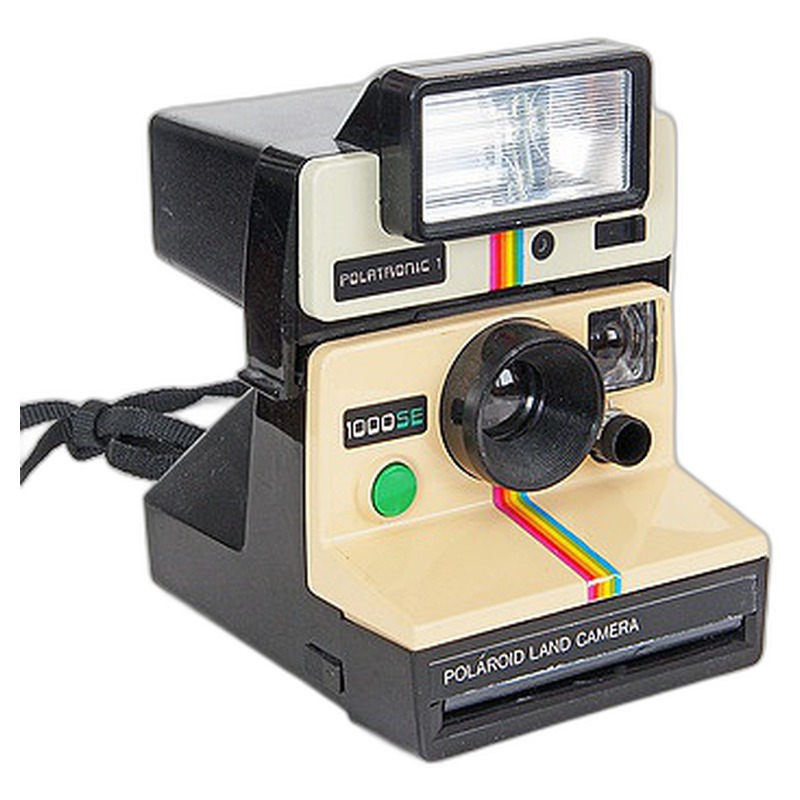
The Polaroid 420 is a classic example of Polaroid’s mid-20th-century consumer instant cameras, utilizing the company’s peel-apart pack film. Designed for straightforward, point-and-shoot photography, it features a simple folding body with a built-in bellows system, allowing for compact storage. Its basic construction includes a plastic housing and a fixed-focus lens, typical of entry-level models from this era, prioritizing accessibility over advanced features. As part of the 400-series line, it offered an affordable entry point into instant photography for casual users, emphasizing ease of use over technical sophistication. While not revolutionary, it represents Polaroid’s broader strategy of democratizing instant images for the mass market during the 1960s and 1970s.
Operating the 420 involves basic steps: loading a pack film, aiming through a simple viewfinder, and triggering the shutter with a lever mechanism. Its design mirrors utilitarian principles, with manual controls for distance settings via a rotating dial and rudimentary flash synchronization for bulb or electronic flash units. Though it lacks the automatic exposure or integrated electronics of later models like the SX-70, its durable yet economical build made it a reliable tool for everyday snapshots, snapshots, and casual documentation. It remains a testament to Polaroid’s legacy of making instant photography approachable, even if it doesn’t carry the cultural weight of more innovative predecessors.
/main.jpg)
/main.jpg)
 Enjoy this museum? Support on Ko-fi