Pricing
Ernemann Film
Ernemann · Germany · 1898–1907 (9 years) · 135 film
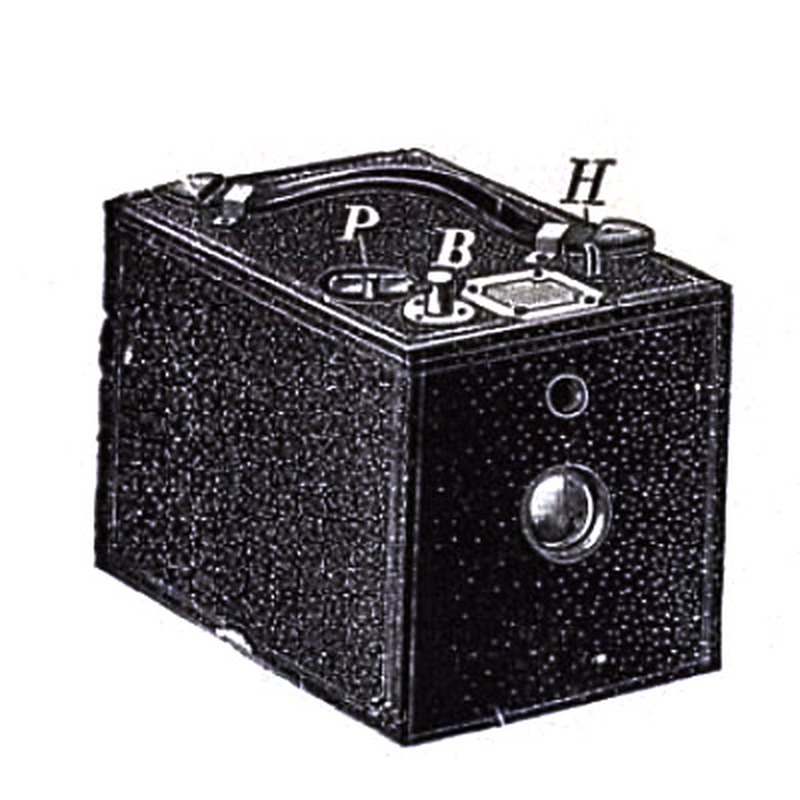
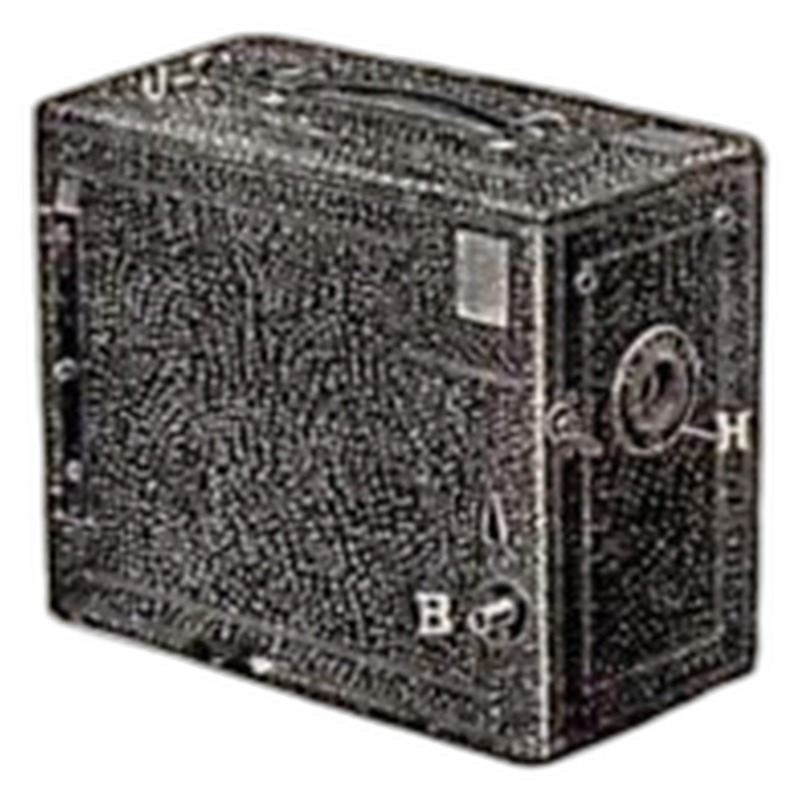
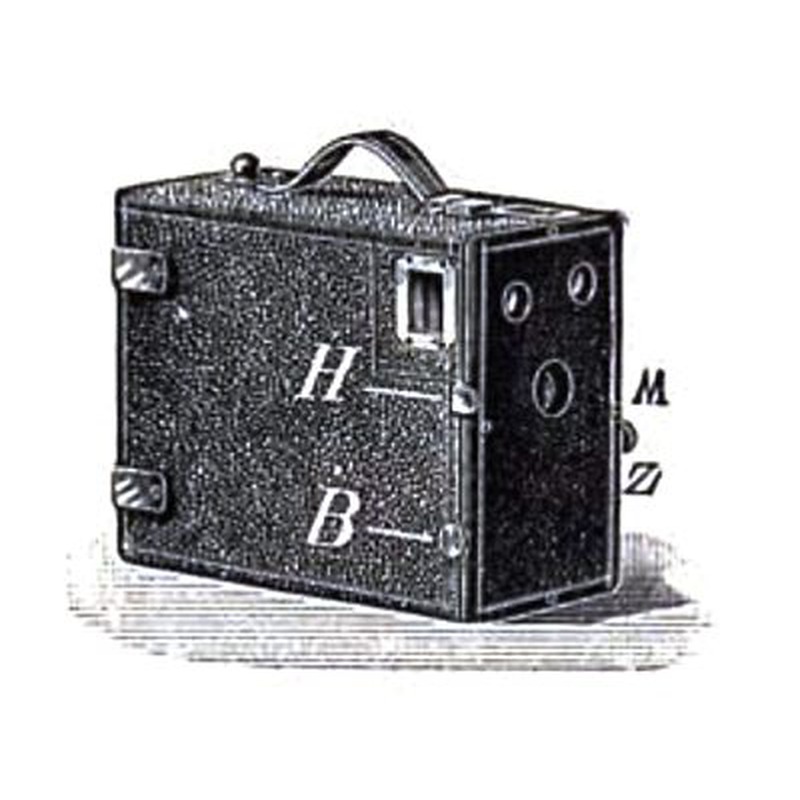
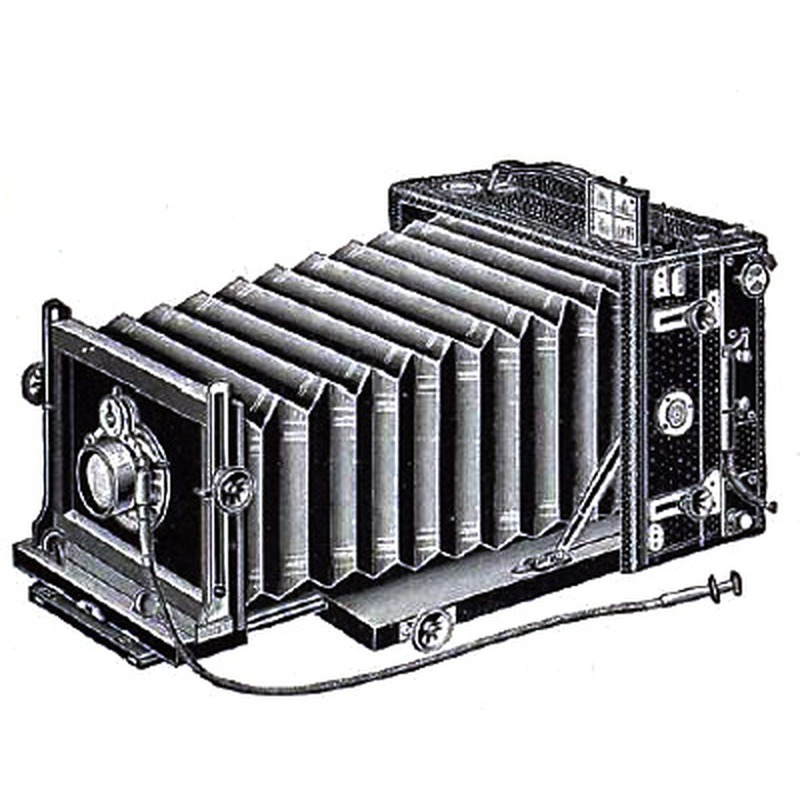
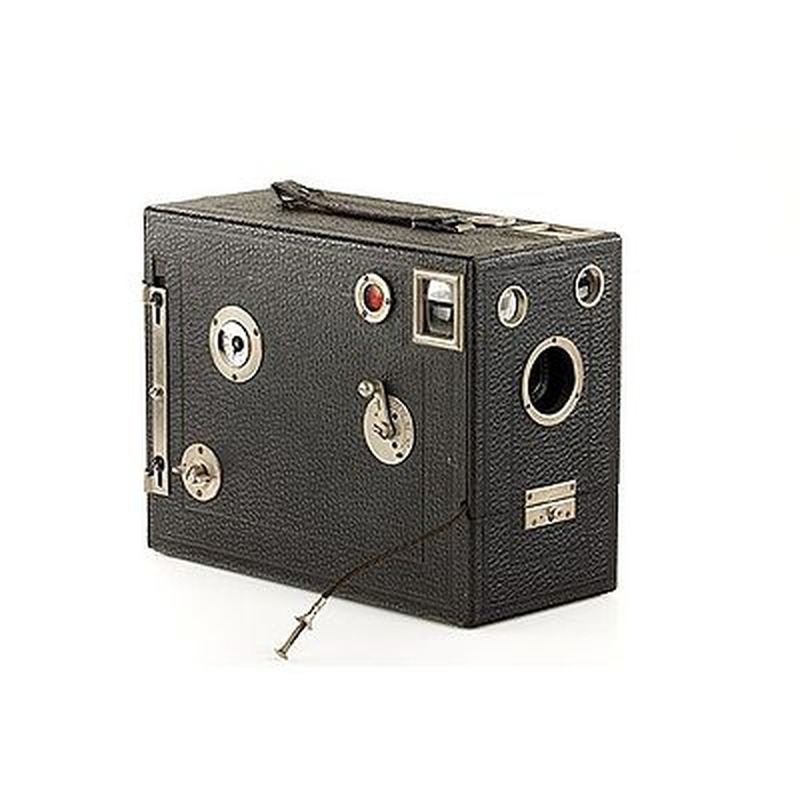
The Ernemann Film, produced between 1898 and 1907, represents an early and significant attempt to utilize the 35mm format for still photography, predating Leica's groundbreaking 1925 camera by nearly two decades. As one of the first cameras designed specifically for perforated 35mm movie film repurposed for stills, it embodied a crucial transitional moment. Ernemann, a respected German optical firm, sought to leverage the advantages of smaller film size for greater portability and reduced exposure cost compared to the glass plates and larger roll films prevalent at the time. While detailed specifications are scarce for this particular model, it likely featured a relatively simple, perhaps folding, body design typical of the era, with basic focusing and shutter controls. Its existence underscores the industry's active exploration of miniature formats before the Leica revolutionized the concept, positioning the Ernemann Film as a notable, if less documented, participant in the development of modern 35mm photography.
Despite its early adoption of the 135 format, the Ernemann Film did not achieve the widespread recognition or lasting design influence of later iconic models. Its production run spanned a period of significant technical evolution in photography, but the camera itself appears to have been a practical, innovative-for-its-time tool rather than a stylistic landmark. While innovative in embracing 35mm film for stills use, its overall impact was overshadowed by subsequent, more refined systems. It serves primarily as an important historical footnote, demonstrating the pioneering spirit within the camera industry at the turn of the 20th century as the groundwork for future miniature photography was laid.
Specifications
| Film Format | 135 |
/main.jpg)
 Enjoy this museum? Support on Ko-fi