/main.jpg)
Pricing
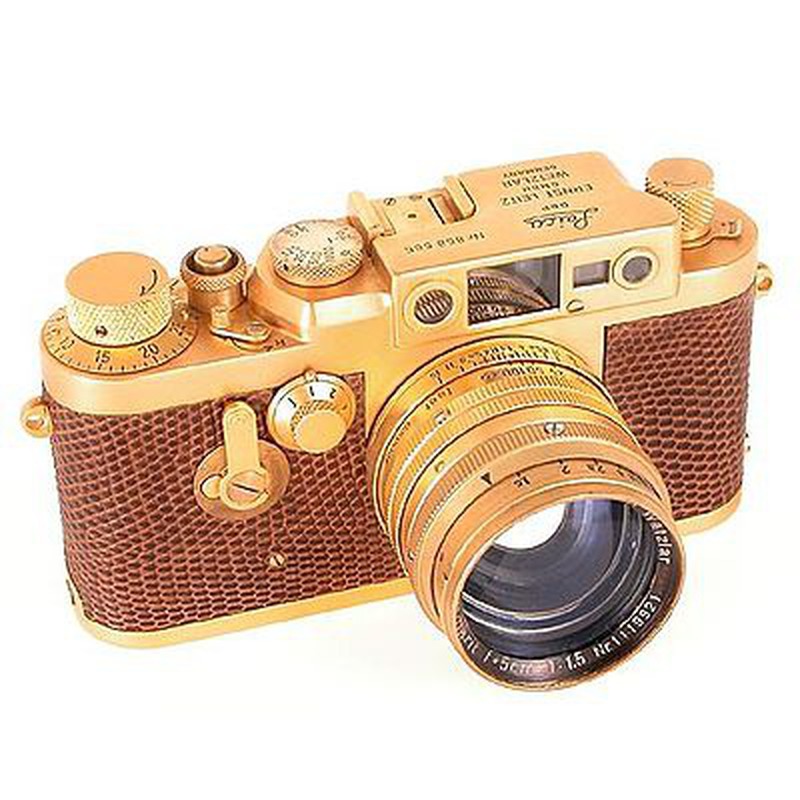
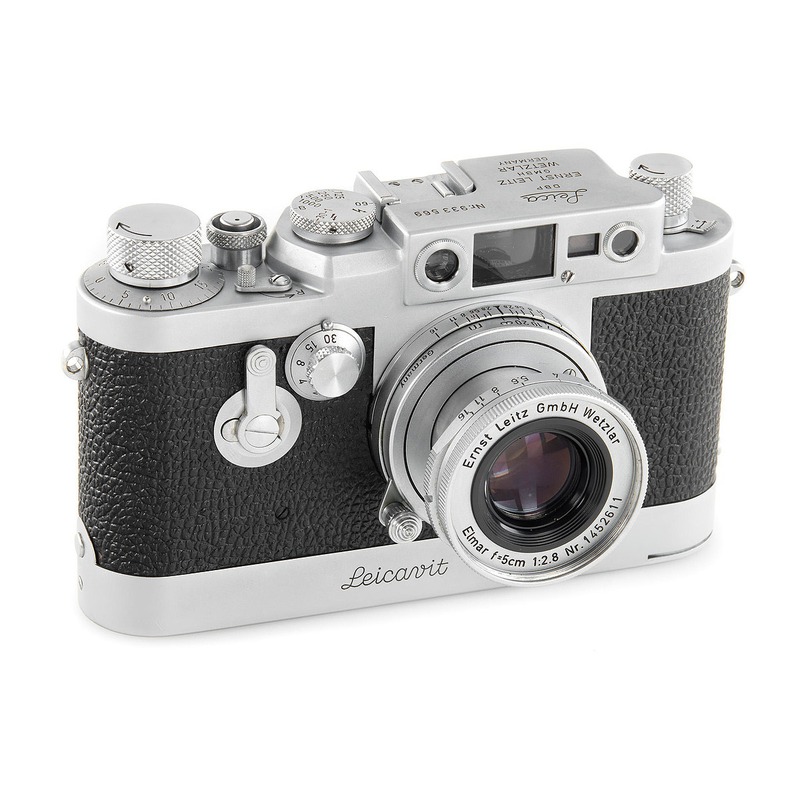
Leica Ig (w/Visoflex)
Leica · Germany · 1957–1960 (3 years) · 135 film
The Leica Ig (with Visoflex) represents a specialized chapter in Leica's history, designed as a dedicated body for use with the Visoflex reflex housing. Produced from 1957 to 1960, this camera body effectively transformed Leica's rangefinder cameras into reflex systems, allowing photographers to use longer telephoto lenses with greater precision through reflex viewing. The Ig itself was a simplified body without its own viewfinder or rangefinder, as these components were provided by the Visoflex attachment, creating a unique hybrid camera system that bridged the gap between Leica's traditional rangefinder design and the emerging SLR technology of the era.
Created for photographers who needed reflex capabilities without abandoning Leica's renowned precision and build quality, the Ig with Visoflex combination offered access to Leica's extensive lens range with the advantages of reflex viewing and focusing. While mainstream Leica models like the M3 were defining 35mm photography during this period, the Ig-Visoflex system appealed to specialized users such as nature and sports photographers who required longer focal lengths and reflex viewing. The limited production run from 1957-1960 makes this system somewhat rare today, representing an important transitional phase in photographic technology before fully integrated SLR systems became dominant.
Specifications
| Film Format | 135 |
/main.jpg)
/main.jpg)
/main.jpg)
 Enjoy this museum? Support on Ko-fi