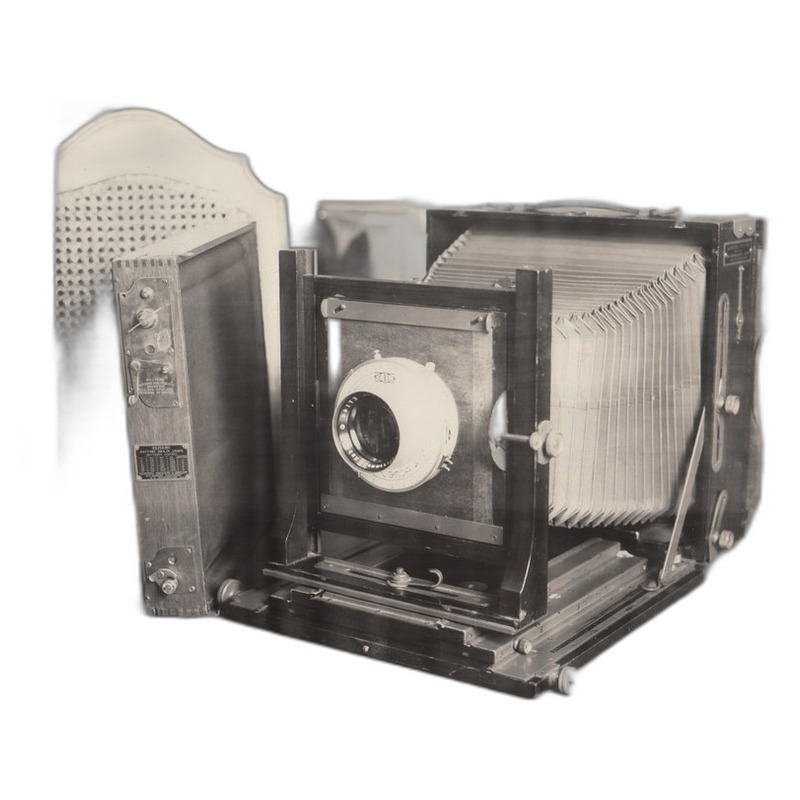
Kodak Century Universal
Kodak · USA · 1924–1938 (14 years) · 135 film
The Kodak Century Universal represents Kodak's significant but somewhat belated entry into the emerging 35mm still camera market between 1924 and 1938. Arriving shortly after the groundbreaking Leica I, it positioned itself as a more accessible option for American photographers seeking the convenience of small-format film. Characterized by its straightforward, often boxy design and robust metal construction, it utilized the now-standard 135 film cassette. This camera focused on practicality and reliability, offering features like coupled rangefinders and various lens/shutter combinations within a relatively affordable package for the era, catering to advanced amateurs and professionals who preferred the Kodak brand or desired a domestically produced alternative to European imports. Its long production run indicates steady, if not spectacular, market acceptance during a transformative period in photography.
While not revolutionary like the Leica, the Century Universal played a notable role in popularizing 35mm photography within the United States. It demonstrated Kodak's ability to adapt and compete in the smaller format arena, leveraging its reputation for quality and accessible manufacturing. As a representative of the American response to the European 35mm revolution, it holds historical significance as a workhorse that helped normalize the use of miniature film, contributing to the eventual dominance of 35mm. Its design evolution over the years also offers insights into mid-century camera engineering trends.
Specifications
| Film Format | 135 |
 Enjoy this museum? Support on Ko-fi