Pricing
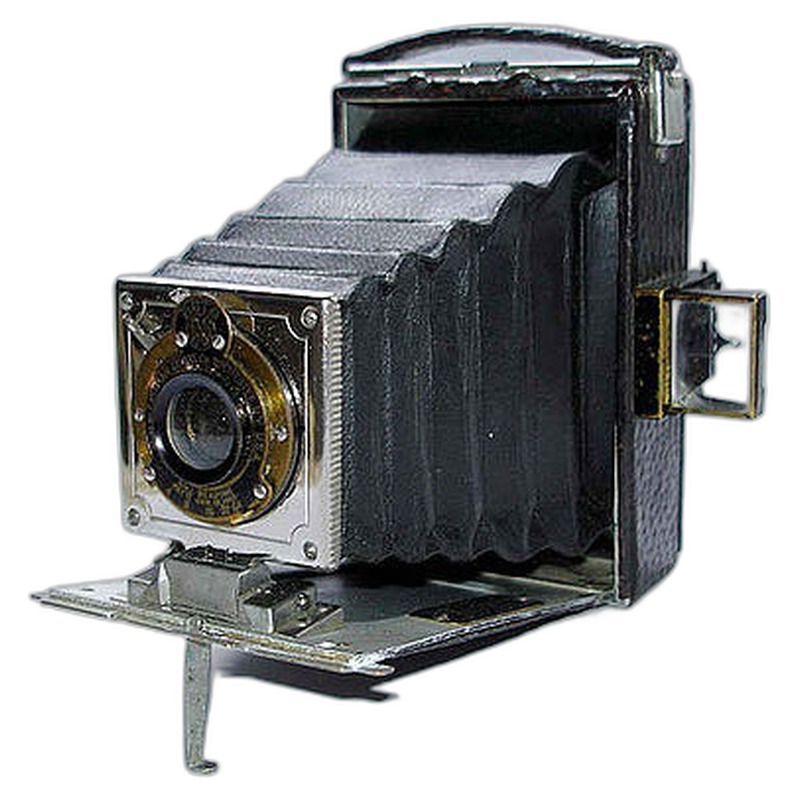
Kodak Premoette Junior
Kodak · USA · 1911–1912 (1 years) · 135 film
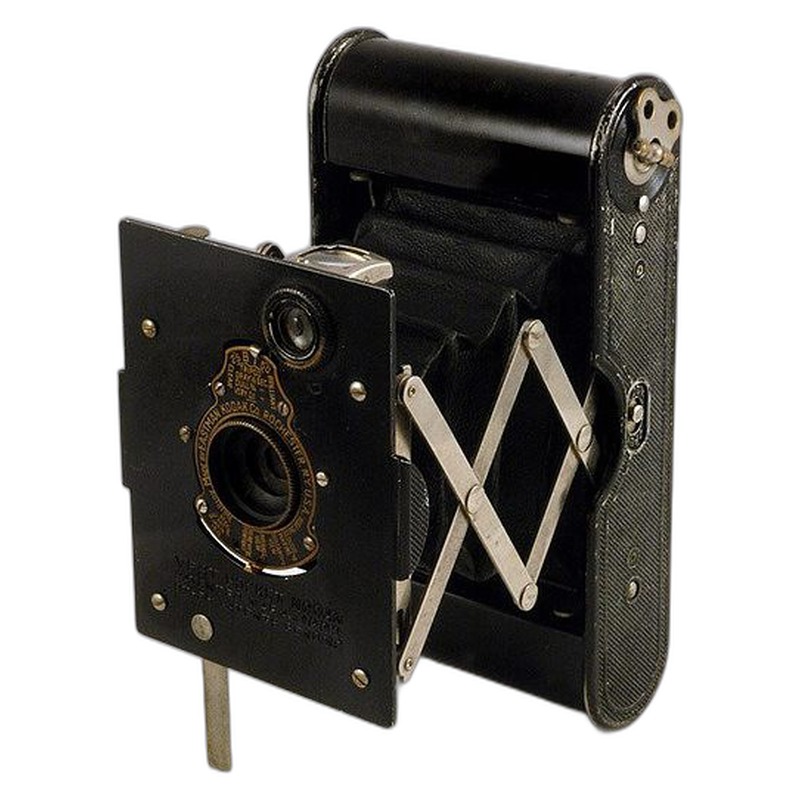
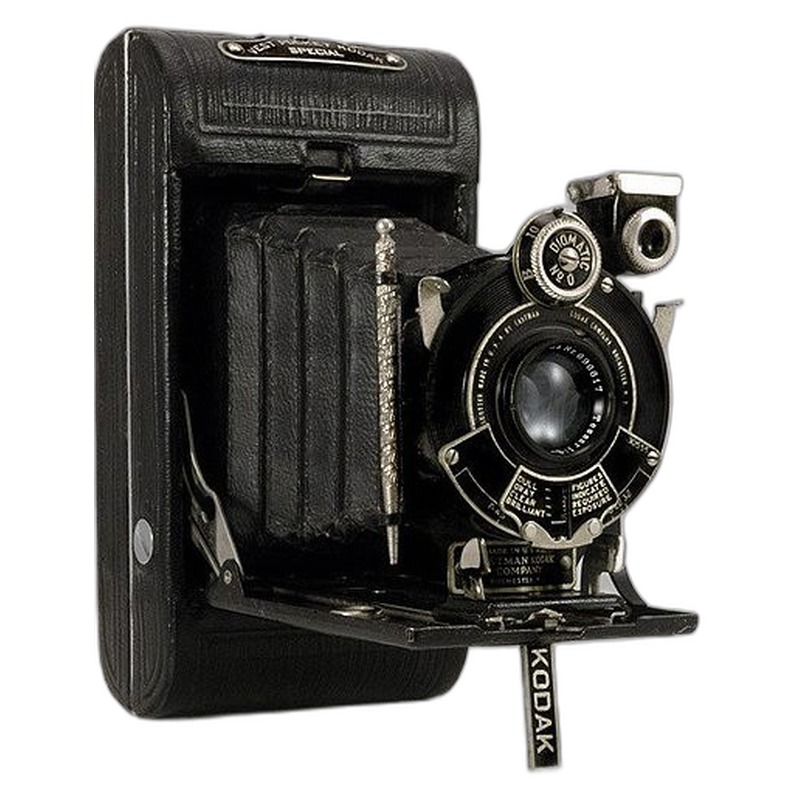
Introduced in 1911, the Premoette Junior represented Kodak's earliest production attempt at a compact camera utilizing 35mm movie film strips, repurposed for still photography. As part of the Premoette series, it positioned Kodak towards smaller formats before the explosive success of the 127 film Vest Pocket Kodak a few years later. The camera was a simple, box-like device likely featuring a fixed-focus lens and a basic shutter mechanism, typical for Kodak's entry-level consumer offerings of the era. It utilized the unique 135 format designation (later associated with 35mm still film), indicating Kodak was experimenting with this gauge for personal snapshots before its wider adoption in the 1930s. Production ceased abruptly by 1912, suggesting limited market acceptance or technical hurdles, leaving the Premoette Junior as a brief footnote in Kodak's evolution towards miniature photography.
While an early Kodak venture into 35mm, the Premoette Junior lacked the sophisticated engineering or lasting impact that characterized landmark cameras. Its design was functional and basic, catering to budget-minded amateurs seeking portability. Its primary historical relevance lies in Kodak's exploration of the 135 format for still photography before the standardized 35mm cartridges became the industry norm. It served as a precursor to more successful compact designs, but its short production run and lack of significant innovations prevent it from being considered a major development in camera history.
Specifications
| Film Format | 135 |
 Enjoy this museum? Support on Ko-fi