Pricing
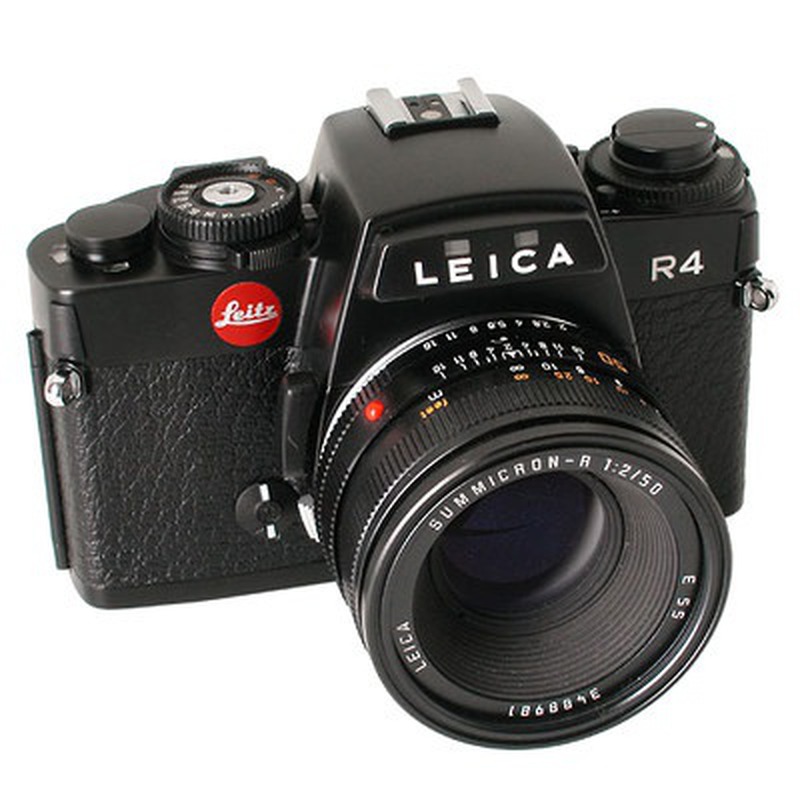
Leica R4 UHR
Leica · Germany · 1980 · 135 film
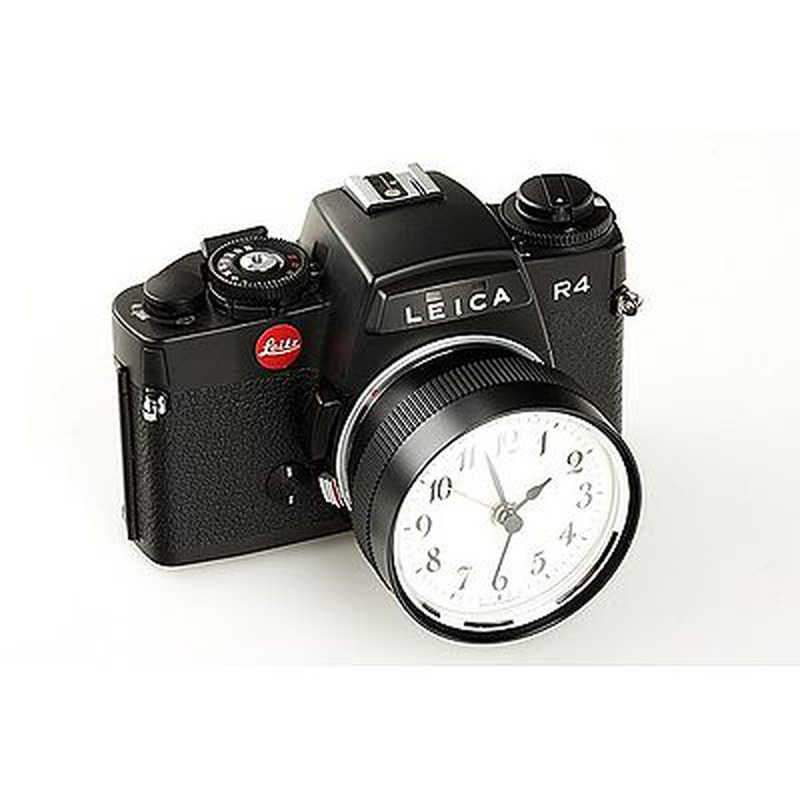
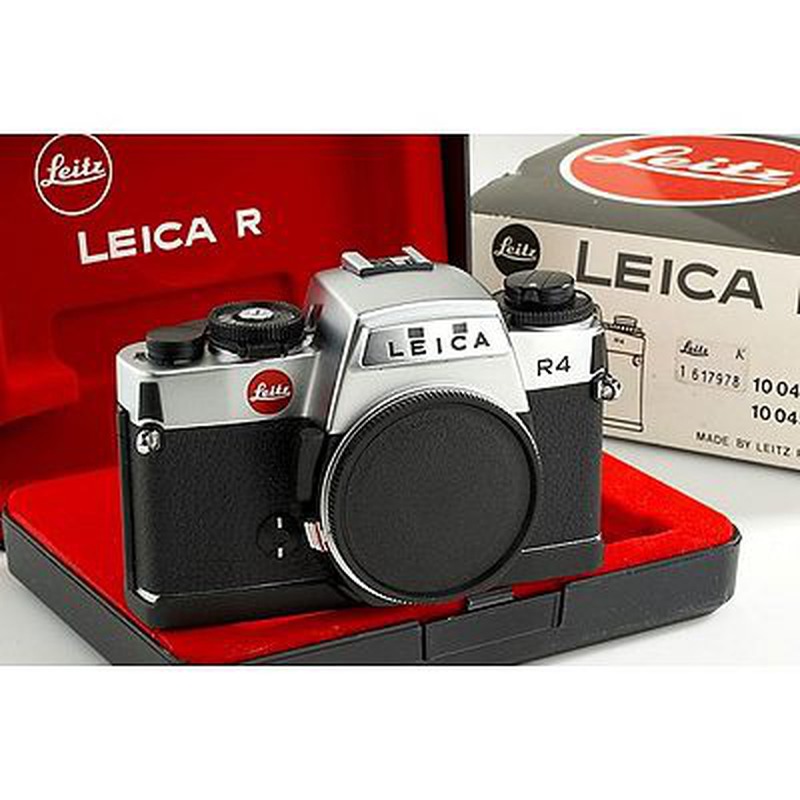
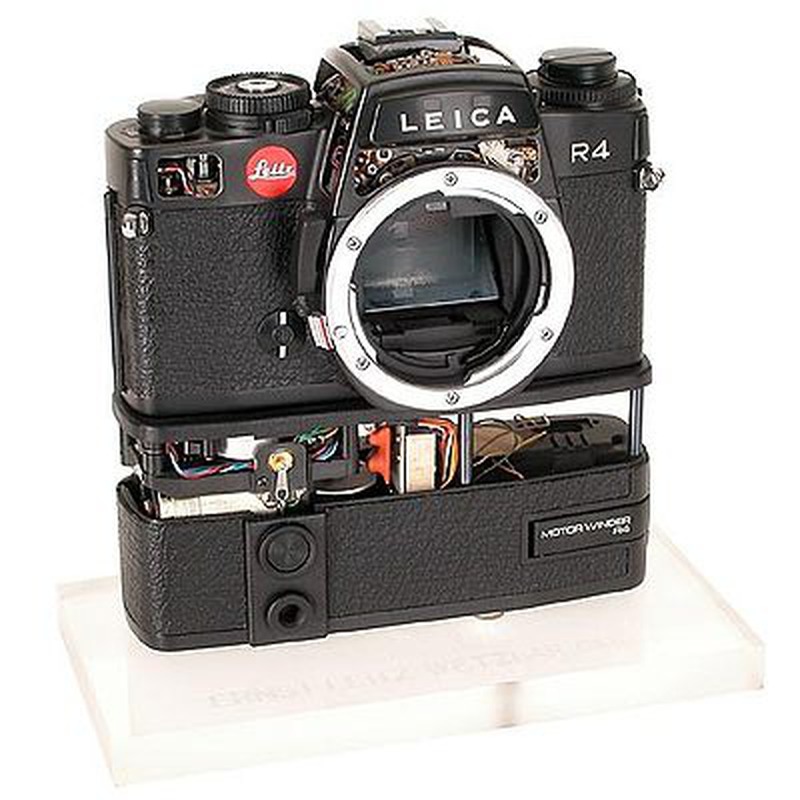
The Leica R4 UHR, introduced in 1980, represented a significant technological update within Leica's R-series of 35mm SLR cameras. Building upon the foundation of the R3, it incorporated modern electronic features like a central TTL through-the-lens metering system offering aperture priority automation alongside manual control. This automation aimed to enhance user-friendliness while maintaining Leica's reputation for precision optical engineering. The camera utilized Leica's iconic R-mount, allowing compatibility with a wide range of high-quality Leica R lenses. Constructed with Leica's characteristic robustness, featuring metal bodies and precision mechanics, it catered to both professional photographers and serious enthusiasts seeking a reliable and advanced SLR system camera during the late 1970s and early 1980s. The R4 UHR solidified Leica's presence in the competitive SLR market by offering a sophisticated blend of automation and traditional build quality.
As a member of the R4 line, the UHR variant offered specific refinements over earlier models, likely focusing on metering precision or ergonomics, though exact distinctions without detailed specifications are unclear. It exemplified Leica's strategy during this period of balancing traditional craftsmanship with contemporary electronic features to compete effectively against offerings from brands like Nikon and Canon. While not achieving the legendary status of some predecessors or contemporaries, the R4 UHR was a workhorse instrument appreciated for its reliability, excellent viewfinder, and seamless integration with Leica's renowned lens lineup, playing a solid role in the brand's SLR evolution.
Specifications
| Film Format | 135 |
_(1980)/main.jpg)
_(flip-up_viewfinder)/main.jpg)
 Enjoy this museum? Support on Ko-fi