/main.jpg)
Ernemann HEAG XIV (two shutters)
Ernemann · Germany
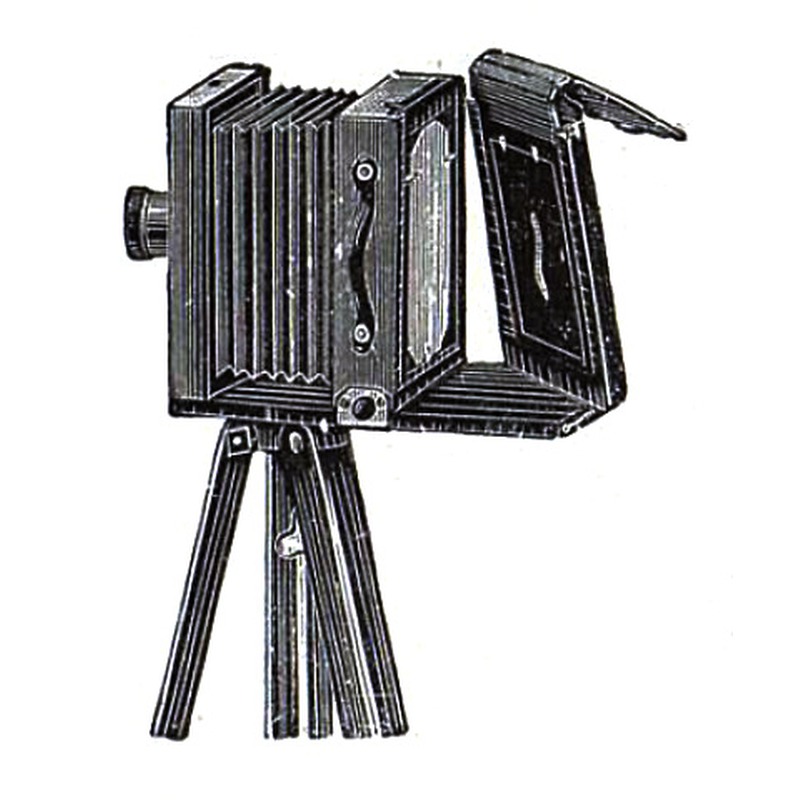
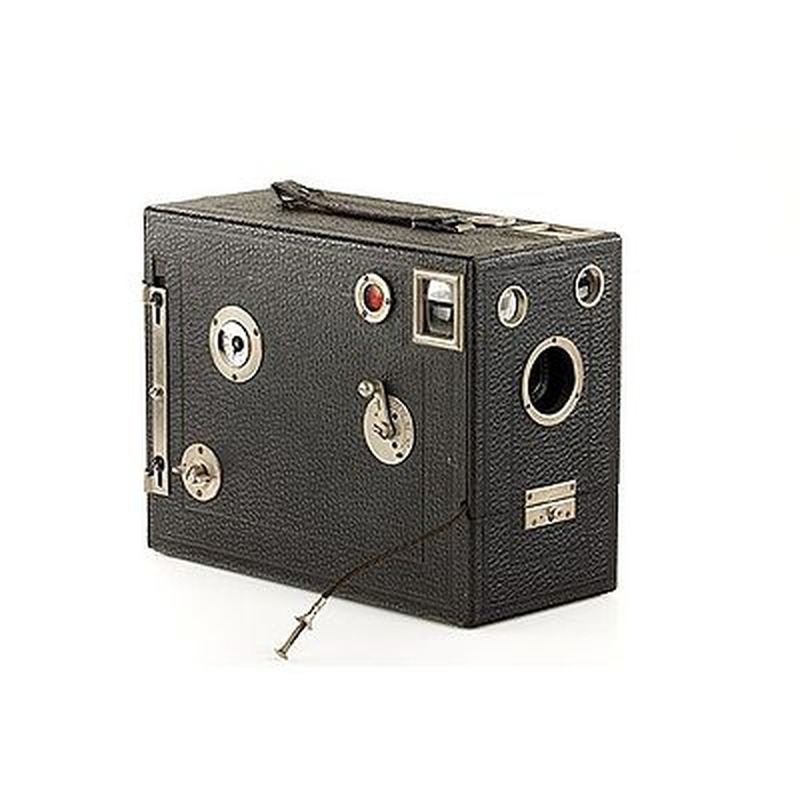
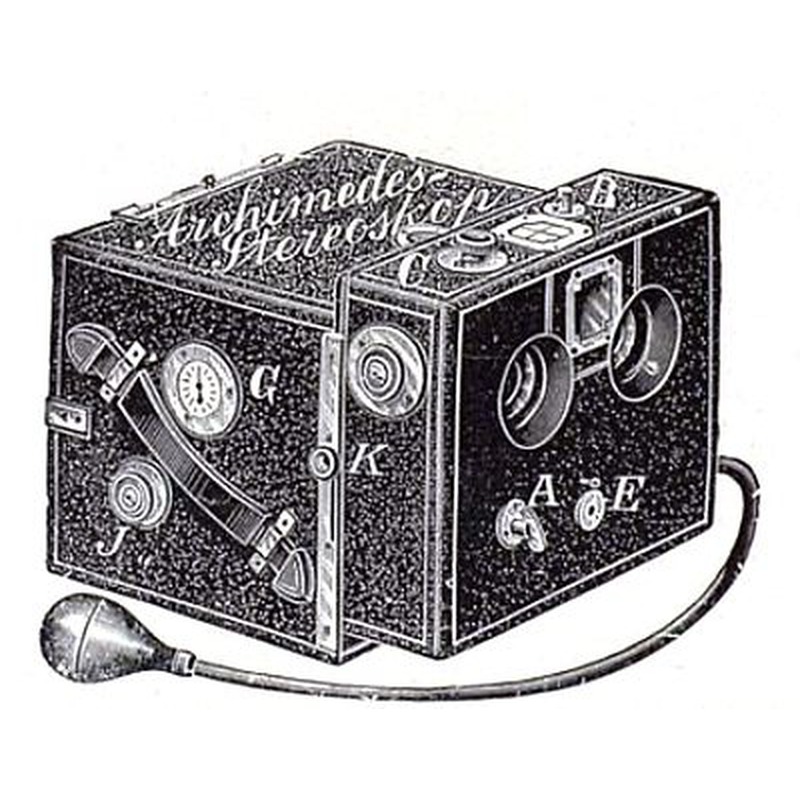
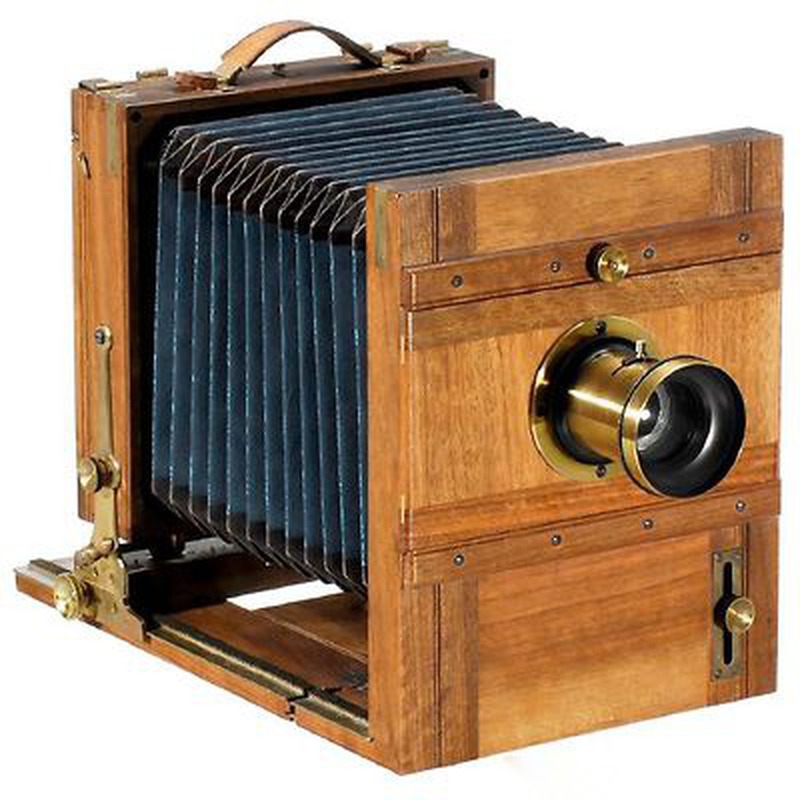
The HEAG XIV (two shutters) represents a product of Ernemann's reputation for technical innovation during the early 20th century, preceding the company's merger into Zeiss-Ikon in 1926. The defining characteristic of this camera, as its name explicitly states, is its incorporation of two separate shutter systems. This dual-shutter arrangement was likely designed to provide photographers with a greater range of exposure options or a more nuanced level of control over shutter speeds compared to single-shutter designs of the era. Ernemann, particularly known for its sophisticated Unverso shutter, applied this approach to the HEAG XIV, suggesting an engineering focus on versatility and precision within its specific class. Its construction would have reflected Ernemann's commitment to quality for the time, utilizing materials like metal alloys and potentially fine wood, aimed at durability and consistent performance for serious amateur or professional users before the widespread dominance of newer technologies.
As a camera of its period, the HEAG XIV (two shutters) embodies the transition and refinement happening in camera design. While not achieving the widespread fame of later landmark models, it stands as an example of Ernemann's efforts to address specific photographic needs through mechanical solutions. The dual-shutter mechanism offered practical advantages, potentially enabling different exposure characteristics or speed ranges without requiring a complex internal mechanism overhaul. Its existence within the HEAG series indicates a lineage of Ernemann cameras developed with a focus on robust functionality and user control, contributing to the rich tapestry of pre-WWI and interwar German photographic equipment. It holds significance for collectors studying Ernemann's engineering evolution and the practical solutions employed in camera mechanics during that innovative period.
 Enjoy this museum? Support on Ko-fi