/main.jpg)
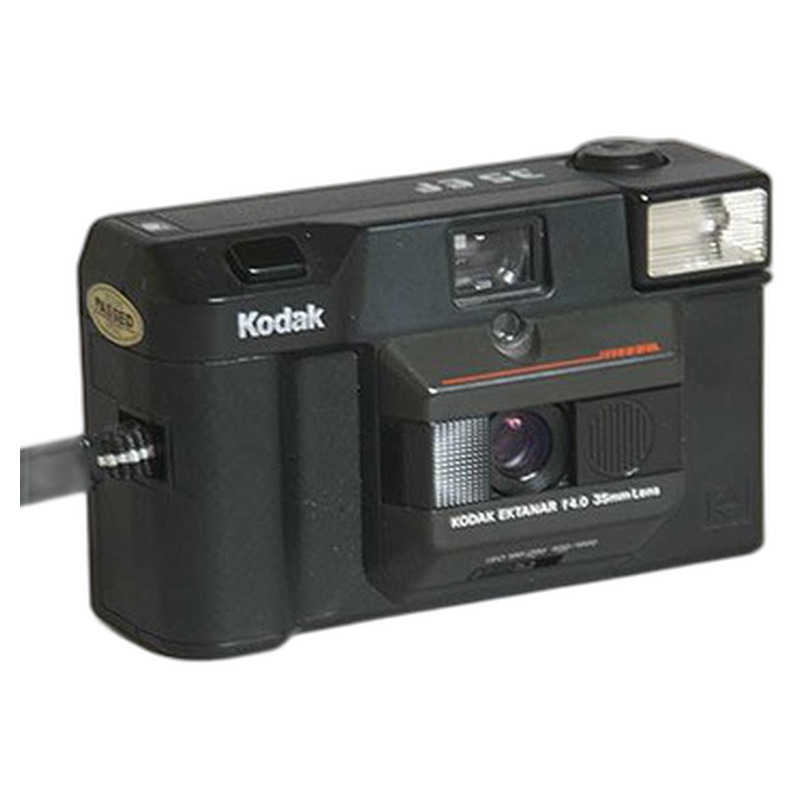
Kodak Retina I (013)
Kodak · USA
The Retina I (013) represents a significant chapter in Kodak's efforts to popularize the 35mm format during the mid-20th century. As part of the iconic Retina series launched in 1934, it capitalized on the growing demand for compact, high-quality cameras beyond professional circles. Designed by Nagel, a company Kodak acquired, the Retina I (013) embodied the transition from bulky plate and roll-film cameras to more portable 35mm alternatives. Its folding body, often featuring metal construction and a leatherette covering, exemplified the era's engineering focus on portability without sacrificing the precision required for small-format photography. While not revolutionary in its own right, the Retina I (013) played a crucial role in demystifying 35mm photography for enthusiasts and serious amateurs alike, making it a recognizable and accessible tool during Kodak's dominance of the amateur market.
Key characteristics included a coupled rangefinder for accurate focusing, a leaf shutter with variable speeds, and a fixed or interchangeable lens mount depending on the specific model within the Retina I (013) designation. It typically used 35mm film cassettes, advancing the medium from the specialized equipment required by early Leica Contax systems to a more standardized, user-friendly format. The camera's design prioritized reliability and ease of use for photographers seeking quality images without the complexity of professional gear. Though overshadowed in historical narratives by European contemporaries like the Leica II or Contax II, the Retina I (013) was a commercially important and technically competent product that significantly contributed to the widespread adoption of 35mm photography globally.
/main.jpg)
 Enjoy this museum? Support on Ko-fi