Pricing
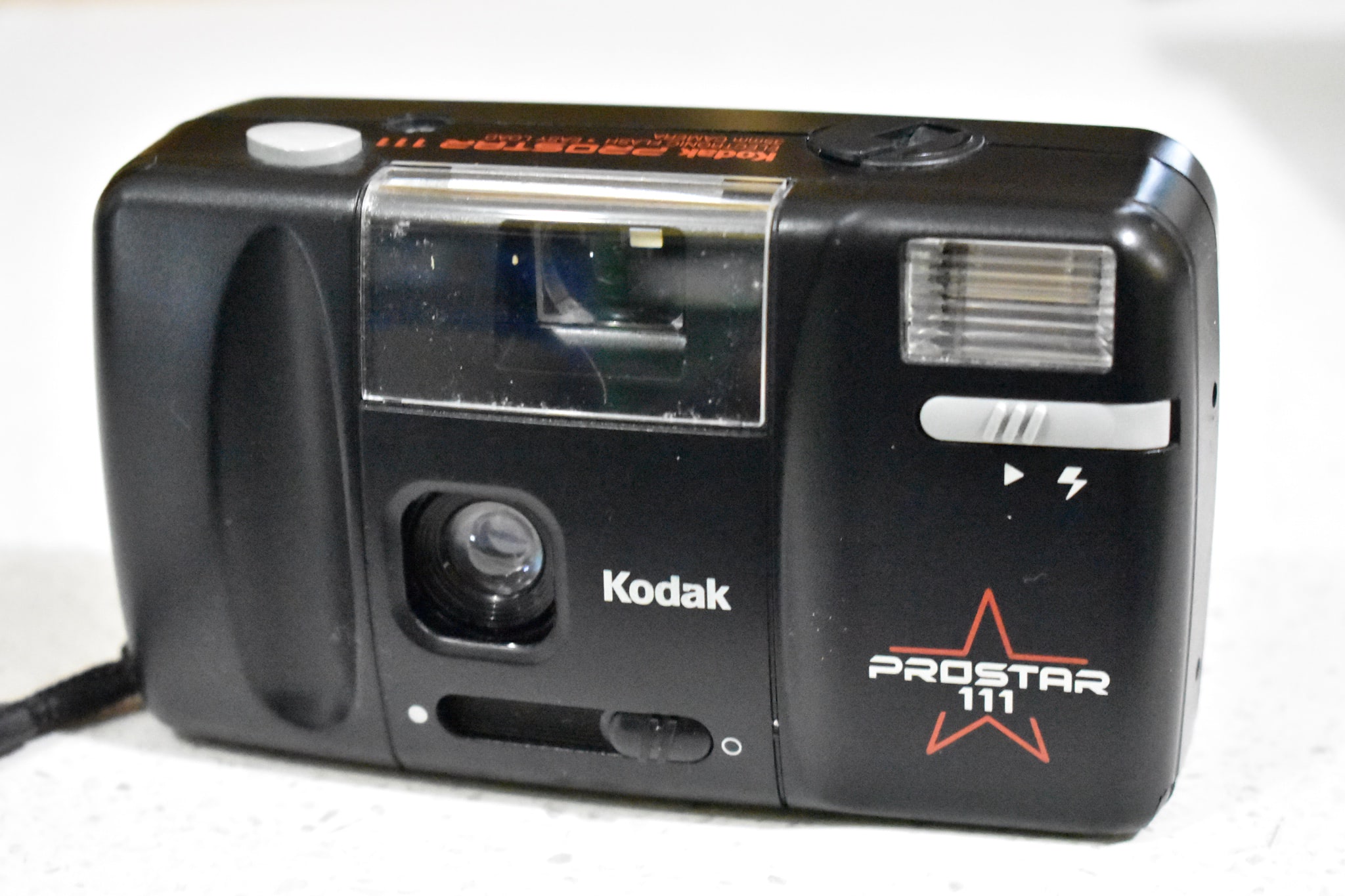
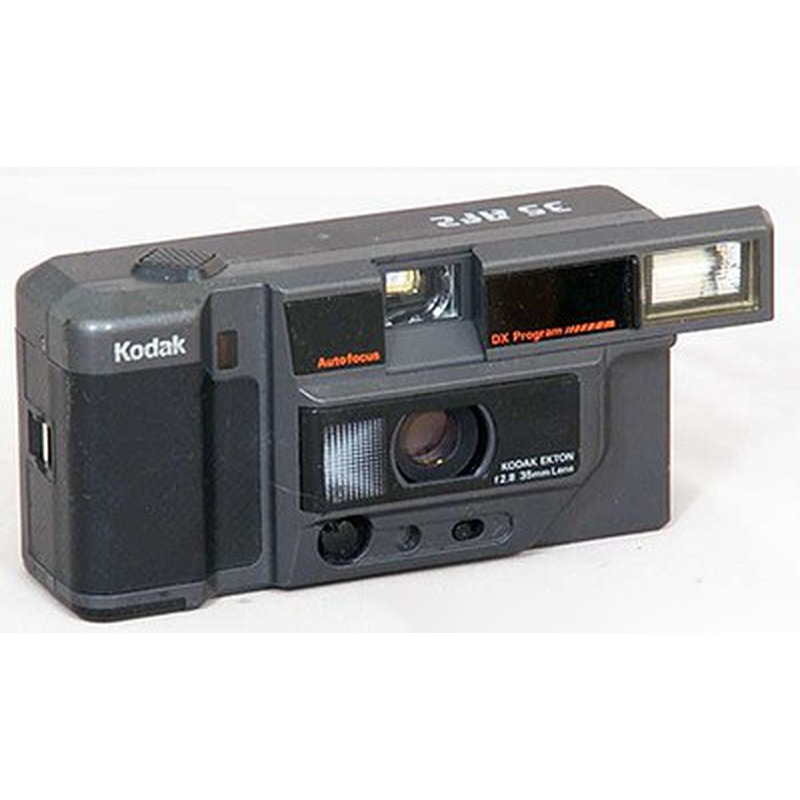
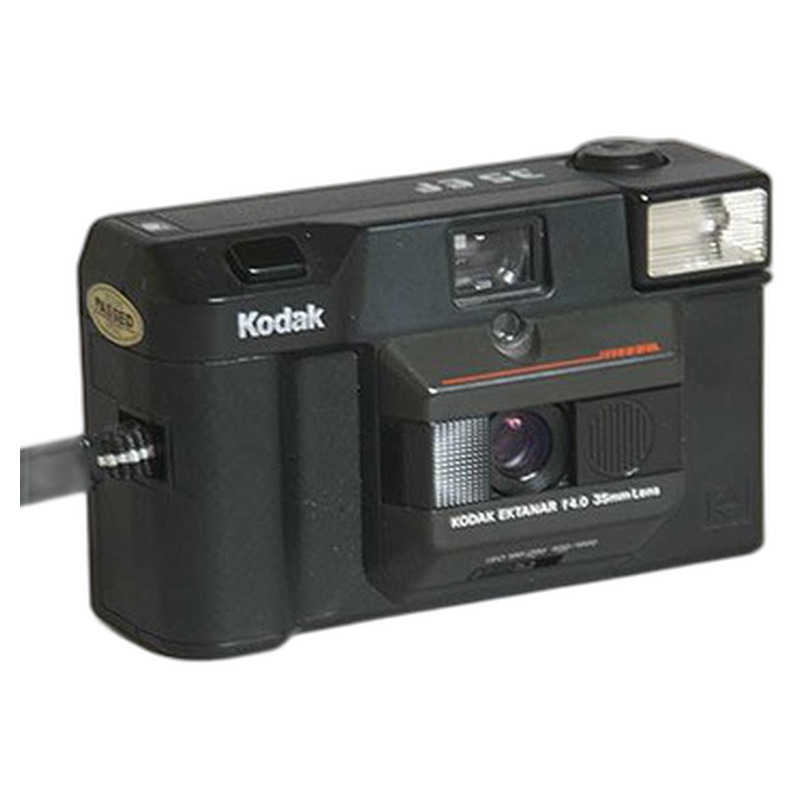
Kodak Prostar 111
Kodak · USA · 135 film
The Kodak Prostar 111, introduced in 1864, presents a fascinating historical anomaly. Positioned a full generation before George Eastman's first Kodak camera of 1888, it claims the 135 (35mm) film format, a technology not developed by Kodak until the 1930s. This temporal disconnect suggests the Prostar 111 likely existed as a conceptual prototype or an exceptionally rare experimental piece within Kodak's early, pre-factory endeavors. Its design remains undocumented, but if it utilized 135 film, it would have represented an astonishing, and perhaps impractical, miniaturization effort for the era, predating the widespread adoption of small-format photography by decades. The manufacturing context is obscured by its early date and the nascent state of American photographic manufacturing, suggesting it might have been crafted by hand or with limited tooling, using materials like wood, brass, and early leather typical of the period.
Technically, the Prostar 111's purported use of 135 film in 1864 is its most significant feature, marking a theoretical leap forward in portability and efficiency. However, without known examples or detailed specifications, its actual innovations are speculative. If functional, it might have featured a simple lens system and a basic mechanical shutter, revolutionary concepts in 1864 but rudimentary by later standards. The camera's historical impact lies less in any documented use and more in its position as a symbol of Kodak's early, forward-thinking experimentation, hinting at the company's future dominance in small-format photography decades before it became reality. No notable photographers are associated with its use, as it predates the professional adoption of 35mm and its existence is uncertain.
Specifications
| Film Format | 135 |
/main.jpg)
 Enjoy this museum? Support on Ko-fi