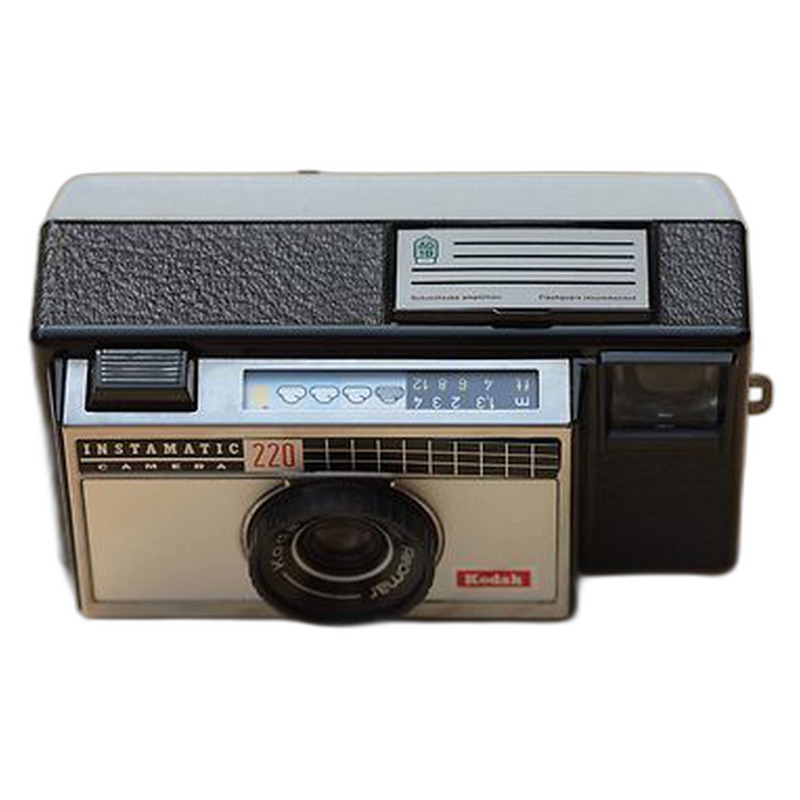
Kodak Instamatic 220
Kodak · USA
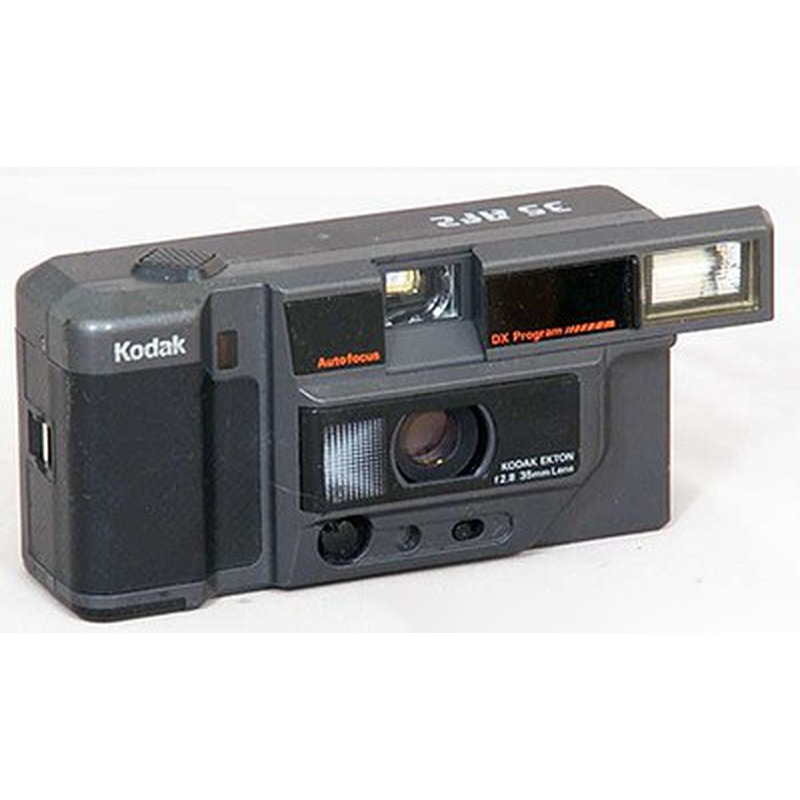
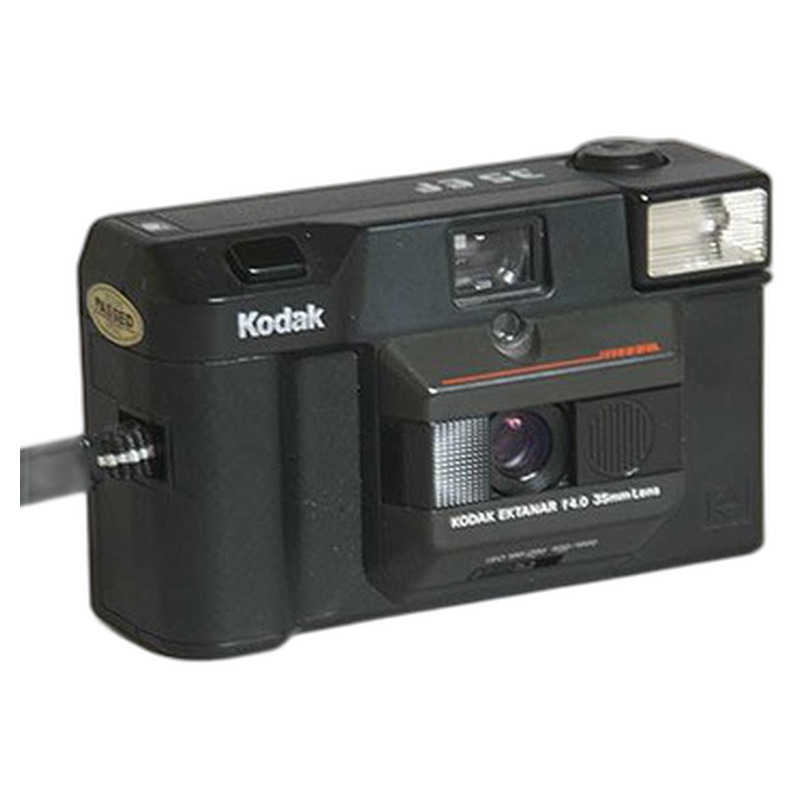
The Instamatic 220 represents Kodak's successful strategy in the mid-20th century to make photography simpler and more accessible to the mass market. Part of the iconic Instamatic series launched in 1963, it likely utilized the proprietary 126 cartridge film, a key innovation that eliminated the challenges of manual film loading. Designed for point-and-shoot operation, it featured a fixed-focus lens, an integrated selenium light meter (or possibly a simple exposure guide), and a basic shutter speed setting. Its core design principle was ultimate ease of use, allowing anyone to take snapshots without technical knowledge, cementing its role in everyday family documentation and casual photography for decades. While technically straightforward, the Instamatic 220, like its siblings, was instrumental in shifting photography away from the darkroom and towards instant, shared memories.
The camera's construction prioritized affordability and portability over robustness, typically employing plastic bodies and simple mechanisms. It embodies the "ordinary consumer" spirit – reliable enough for its intended purpose but not built for longevity or professional use. Its significance lies not in groundbreaking technical features but in its massive popularity and role in democratizing photography, making it a common household object during its production run. It stands as a quintessential example of Kodak's engineering for the masses, focusing on foolproof operation over sophisticated optics or controls, thus defining a whole era of snapshot culture.
/main.jpg)
 Enjoy this museum? Support on Ko-fi