/main.jpg)
Pricing
Icar (180)
ICA · Germany · 1913–1926 (13 years) · 135 film
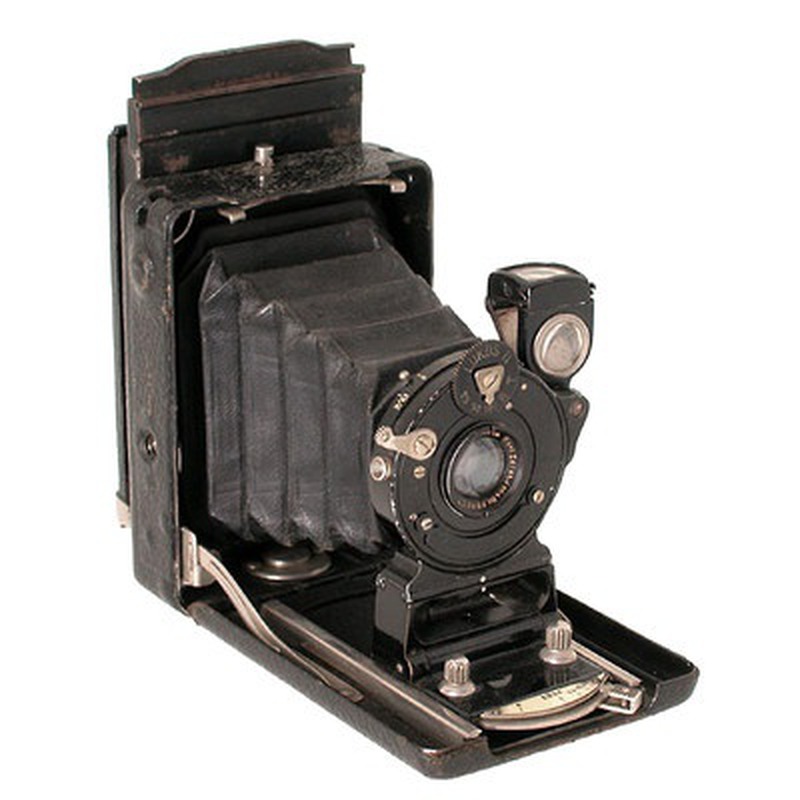
The Icar (180) represents an early iteration of the 35mm format camera, produced by the German manufacturer ICA between 1913 and 1926. As a product emerging in the formative years of the miniature camera era, it predates the landmark Leica I by over a decade. While details of its specific model type are scarce, its use of the 135 film format indicates ICA's engagement with the developing trend towards smaller, more portable cameras. The Icar (180) likely featured a simple box-like or folding body design characteristic of the period, constructed from materials like metal and possibly leatherette, aimed at amateur photographers seeking greater convenience than larger plate or roll-film cameras. It contributed to the groundwork upon which later, more sophisticated 35mm systems would be built, though it lacks the groundbreaking design or widespread impact associated with later legends.
Existing examples suggest it was a functional, utilitarian camera typical of its time, focusing on affordability and ease of use rather than advanced features. Its production span coincides with the tumultuous period of World War I and the subsequent economic restructuring of the German camera industry, which saw ICA eventually merge into the Zeiss Ikon conglomerate in 1926. The Icar (180) stands as a historical artifact representing the experimental phase of 35mm photography, capturing a moment of transition before the format achieved widespread popularity and technical refinement.
Specifications
| Film Format | 135 |
/main.jpg)
/main.jpg)
/main.jpg)
/main.jpg)
/main.jpg)
 Enjoy this museum? Support on Ko-fi