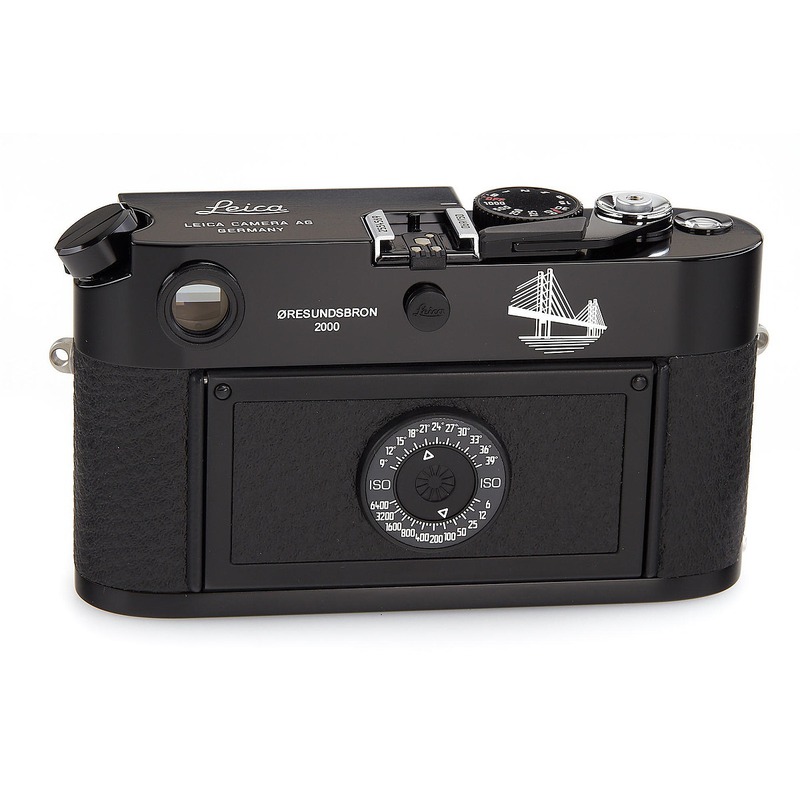
Leica M6 TTL .85 'Oeresundsbron'
Leica · Germany · 2000 · 135 film
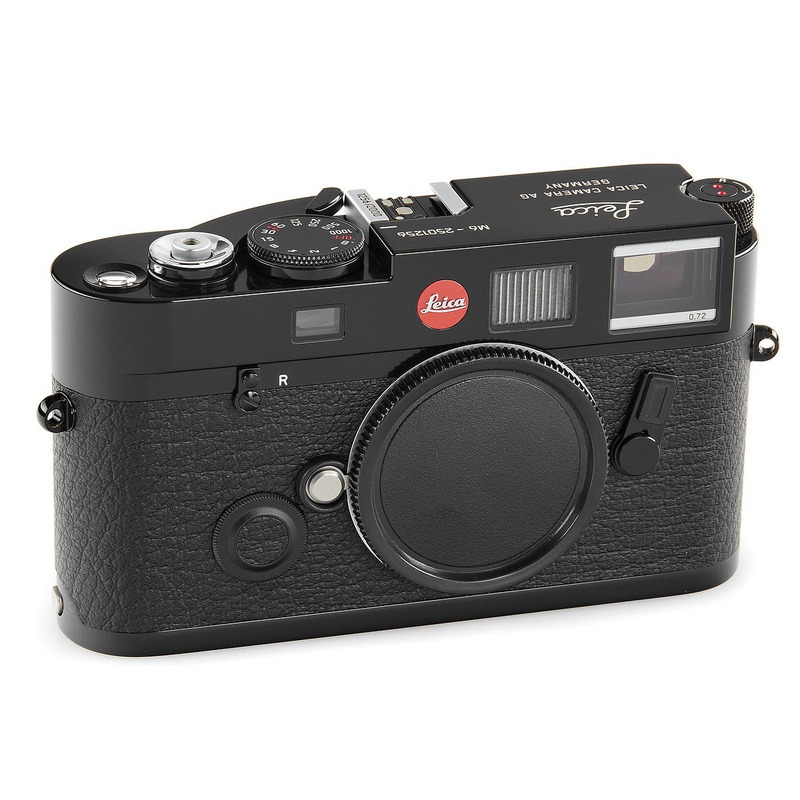
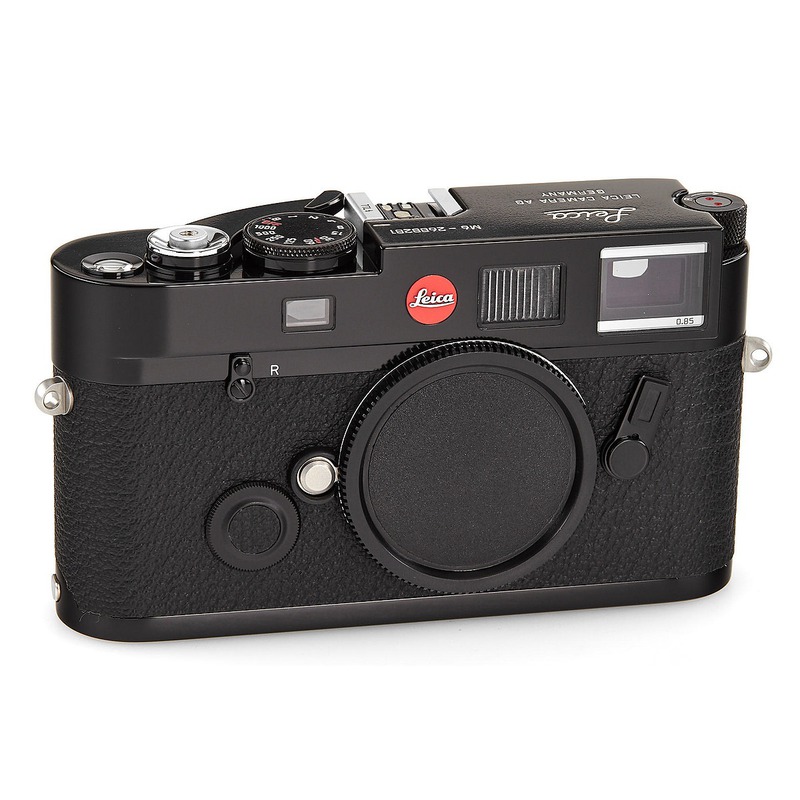
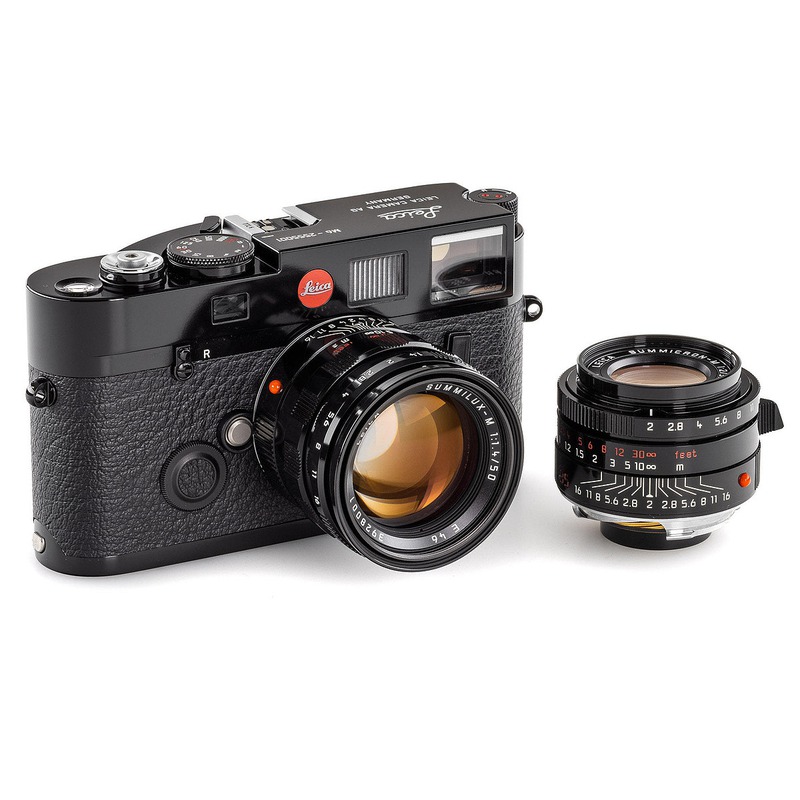
The Leica M6 TTL .85 'Oeresundsbron' is a variation of the Leica M6 TTL, the final evolution of Leica's legendary M series rangefinder cameras released in 2000. Like its M6 brethren, it embodies Leica's commitment to precision engineering and compact form, utilizing the robust and quiet mechanical shutter central to the M system. The '.85' designation refers to its bright, 0.85x magnification viewfinder, specifically chosen to accommodate wider 28mm and 35mm lenses with greater ease and clarity, offering a more spacious image framing compared to the standard 0.72x model. While sharing the core M6 TTL specification including Through-The-Lens (TTL) metering compatible with flash units, the 'Oeresundsbron' name suggests a limited or thematic release, potentially tied to the opening of the Öresund Bridge that year, though its exact significance or production run details remain unclear within standard documentation. It represents a practical yet refined 35mm film camera experience, favored by photojournalists and enthusiasts for its unobtrusive operation and exceptional lens interchangeability.
As a late-model M6 TTL, this camera maintains the hallmark Leica build quality of solid brass body construction and precise tolerances, inheriting the revered tactile experience of the M system. It stands as a testament to Leica's enduring rangefinder design philosophy, offering a direct, manual-focused shooting experience uninterrupted by autofocus or complex automation. The 'Oeresundsbron' variant, while perhaps not significantly distinct mechanically from other M6 TTL .85 models, possesses a unique nomenclature that adds a touch of specific provenance, making it a distinct piece within the broader M6 lineage appealing to collectors seeking variations or thematic Leica artifacts from the turn of the millennium.
Specifications
| Film Format | 135 |
/main.jpg)
_(2000)/main.jpg)
 Enjoy this museum? Support on Ko-fi