_'Coffe_can'_(later_model)/main.jpg)
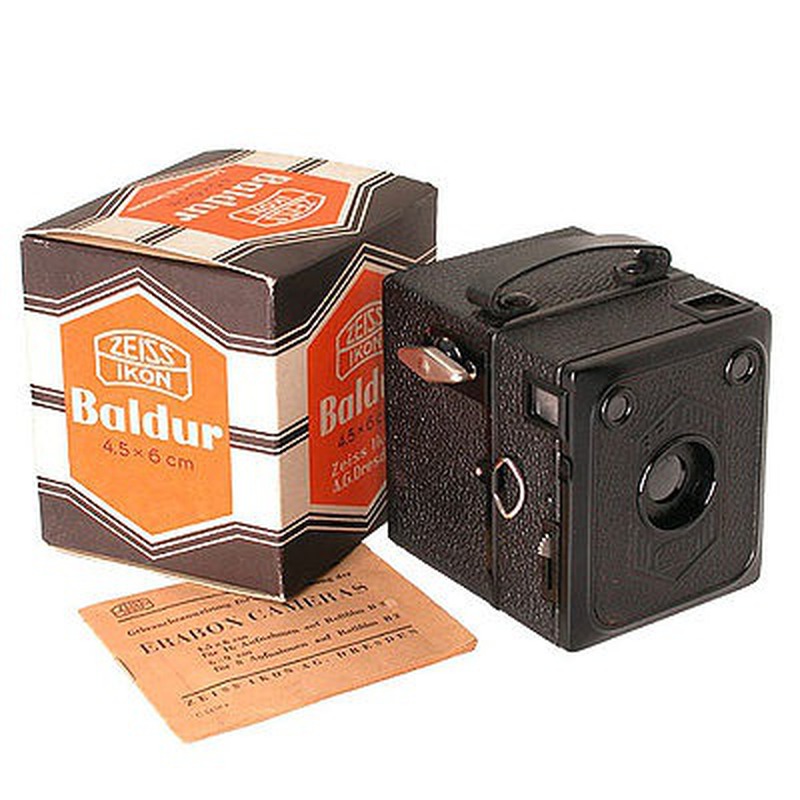
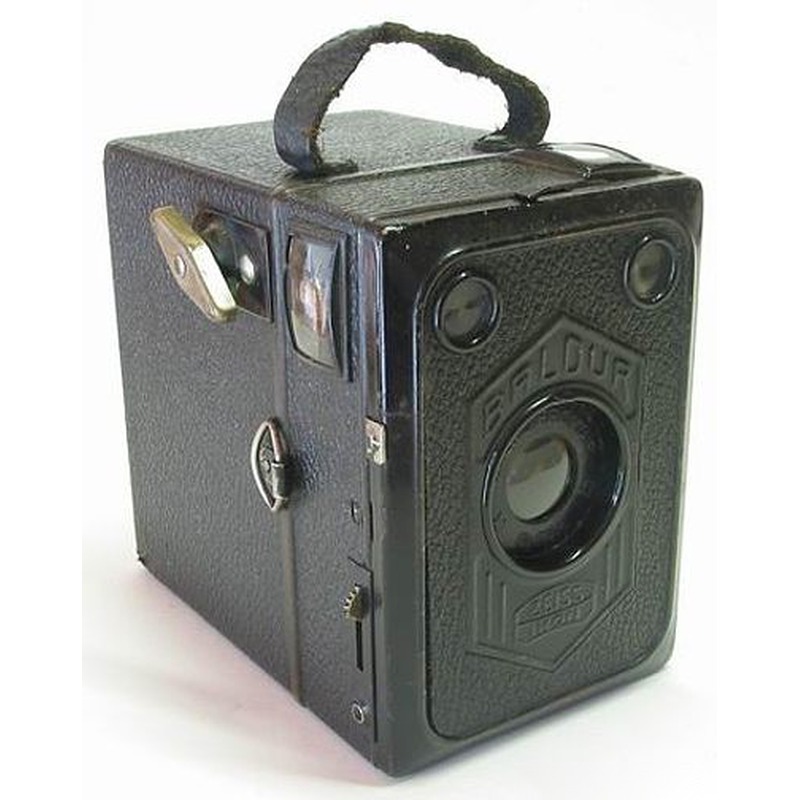
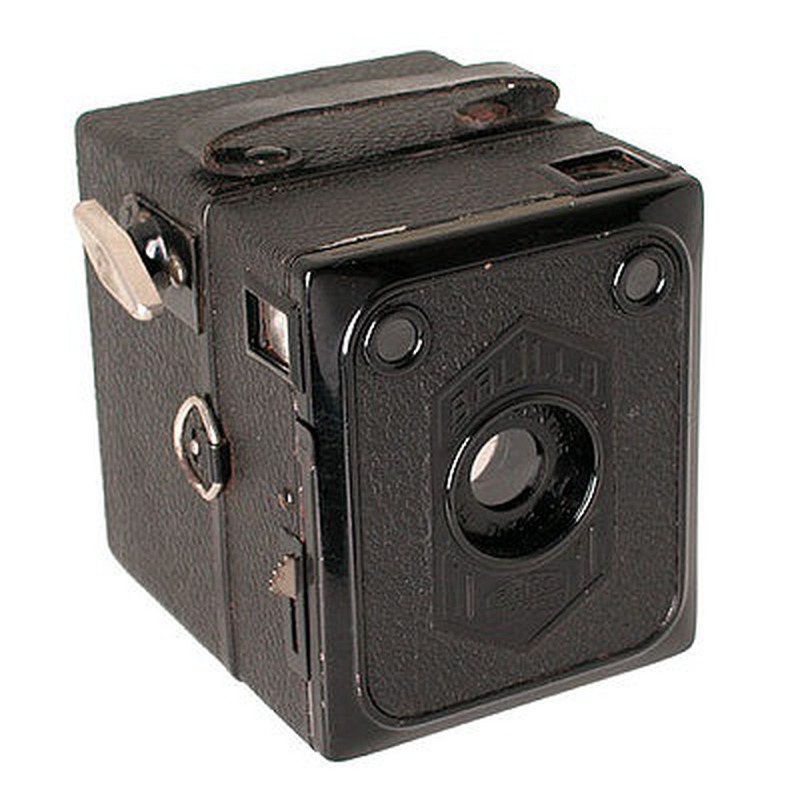
Zeiss Ikoflex (850 16) 'Coffe can' (later model)
Zeiss · Germany
The Ikoflex (850 16) 'Coffee can' (later model) represents a mid-range offering from Zeiss, likely part of their post-war TLR (Twin Lens Reflex) line, judging by the "Ikoflex" designation common to such models. While its exact year and specifications are obscure, the nickname "Coffee can" aptly describes its probable cylindrical body shape and robust construction, typical of Zeiss Ikon products of the era intended for the enthusiast or serious amateur market. This model features a coupled rangefinder for precise focusing and a waist-level viewing hood, standard features for its class. Its 850 designation might refer to a specific shutter speed or film format, and the 16 potentially indicates 6x6 cm frame size, though this remains unconfirmed. It embodies Zeiss Ikon's reputation for reliable, well-engineered mechanical cameras made from metal, prioritizing functionality and durability over overt styling or technological innovation.
Built during Zeiss Ikon's consolidation phase, this camera served practical photography needs without achieving iconic status. It lacks the groundbreaking innovations or influential design seen in landmark models and was not notably used by famous photographers or documented in significant historical moments. Instead, it represents the solid workhorse aspect of Zeiss Ikon's output – a capable, no-nonsense camera designed for dependable image capture by its intended user base. Its significance lies more in being a testament to Zeiss Ikon's consistent manufacturing quality in the mid-20th century than in any historical or cultural impact.
/main.jpg)
/main.jpg)
/main.jpg)
 Enjoy this museum? Support on Ko-fi