/main.jpg)
Kodak Retina II (122)
Kodak · USA
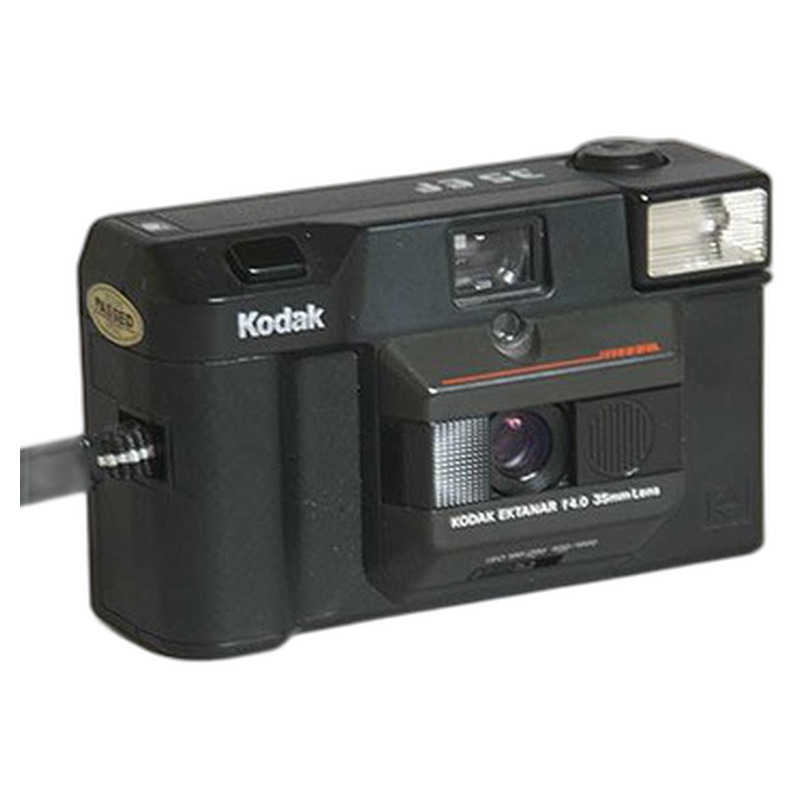
The Kodak Retina II (122) represents a significant step in the evolution of compact, high-quality 35mm photography during the mid-20th century. As a folding camera, it offered exceptional portability while maintaining a level of mechanical precision and imaging performance that set it apart from simpler box cameras. Its coupled rangefinder system enabled accurate focusing, a crucial feature for achieving sharpness in its intended market of serious amateur photographers and discerning consumers seeking professional results in a portable package. Built with robust materials like metal and quality optics, it embodied Kodak's commitment to bringing reliable German engineering (often sourced from Nagel) to a broader audience, facilitating the widespread adoption of the 35mm format beyond specialized professional spheres. While not as revolutionary as some contemporaries, its combination of sophisticated features, folding design, and reliable operation made it a highly respected and practical tool for countless photographers.
This model contributed to the popularization of the 35mm format by demonstrating that high-quality images could be achieved in a camera small enough to carry daily. Its design, featuring a coupled rangefinder and precise controls, provided a user-friendly experience for photographers transitioning from larger formats or simpler cameras. The Retina II (122) served as a bridge, offering enthusiast-level features and image quality without the premium cost or complexity of the top-tier European rangefinder models, thereby solidifying Kodak's position in the burgeoning amateur 35mm market and influencing subsequent generations of compact camera design focused on portability without compromise on imaging capability.
/main.jpg)
 Enjoy this museum? Support on Ko-fi