Pricing
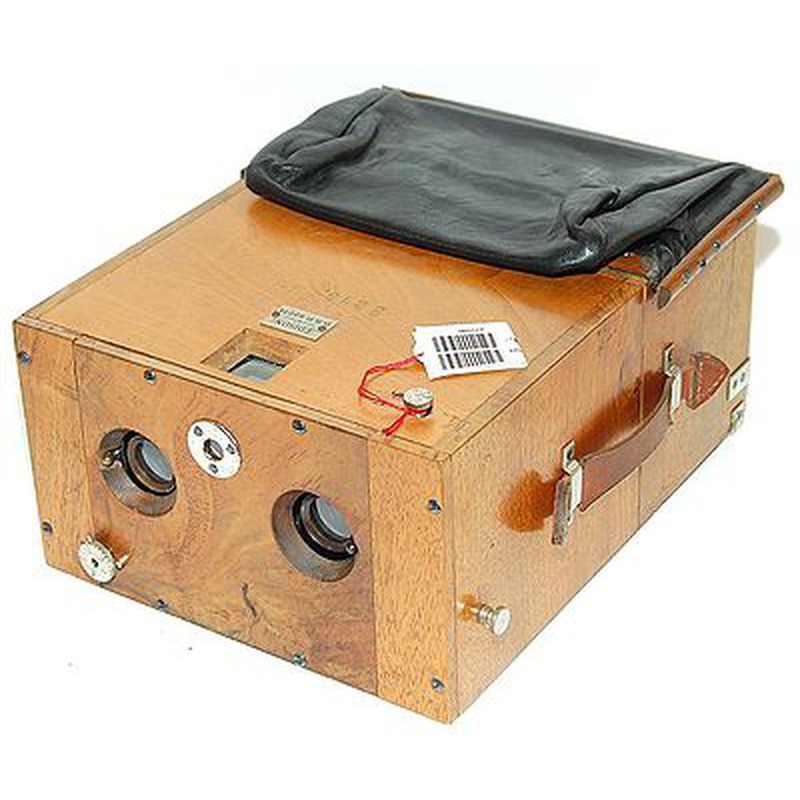
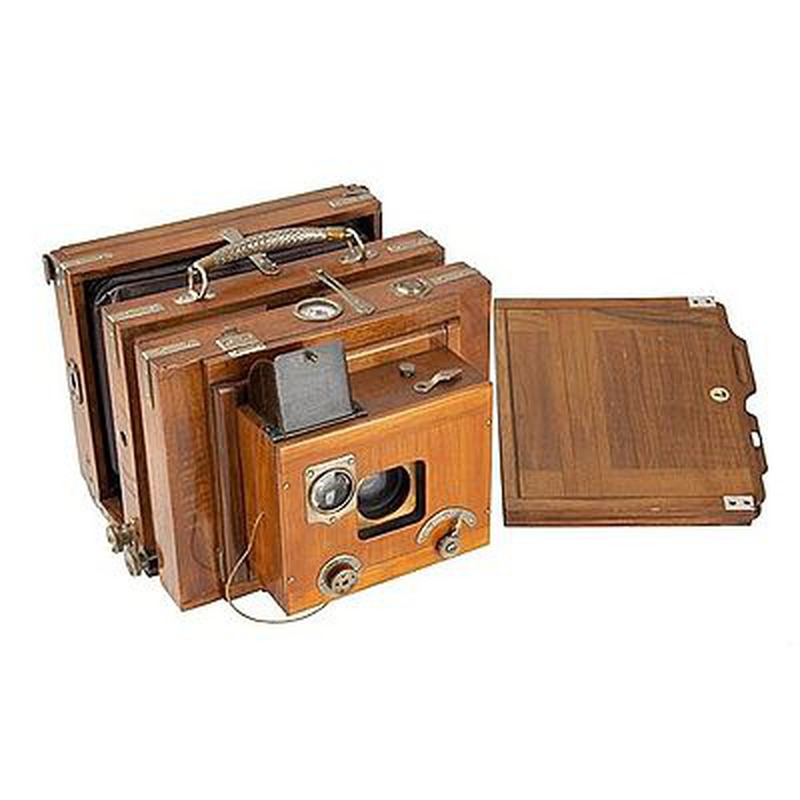
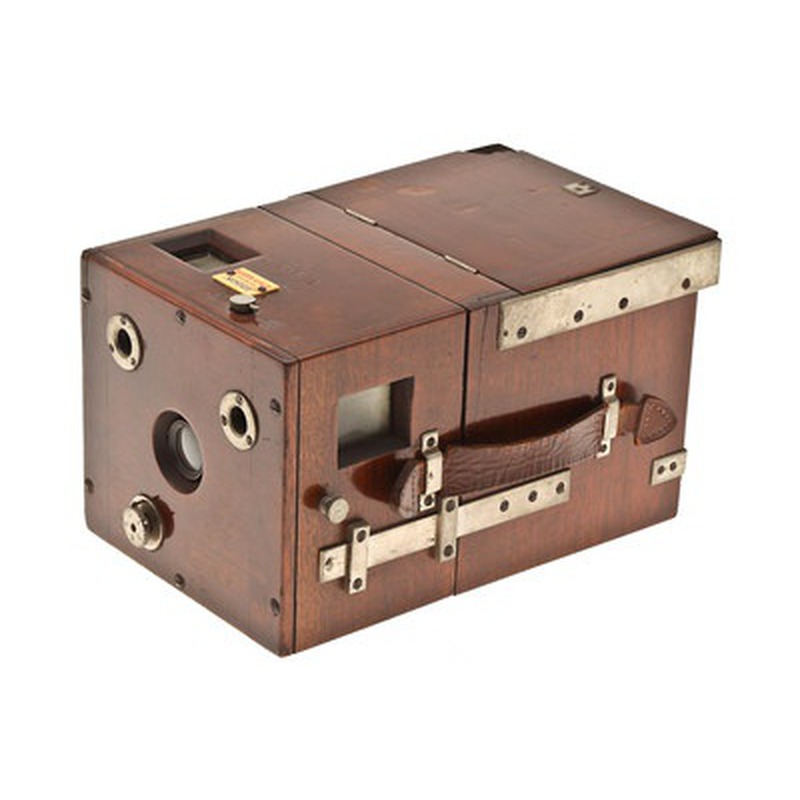
Ernemann Edison Stereo
Ernemann · Germany · 1893–1894 (1 years) · 135 film
The Edison Stereo represents an early and significant attempt by the German manufacturer Ernemann to pioneer the 35mm format, produced during the pivotal years 1893-1894. Pre-dating the more widely recognized Leica by several decades, this camera Ernemann's entry into the burgeoning field of smaller, more portable photography systems. While specific details regarding its exact type (likely a stereo or dual-lens camera, as suggested by its name) and operational mechanisms are not fully documented in the provided information, its core innovation lies in its adoption of the 35mm film format. This choice positioned it as a forward-thinking design, recognizing the potential for smaller, roll-film photography that would eventually dominate the consumer market. Constructed during an era of predominantly larger plate and roll-film cameras, the Edison Stereo embodies the transition towards the compact cameras that would shape the 20th century.
As one of the first commercially produced 35mm cameras, the Edison Stereo holds considerable historical significance, even if its direct impact was overshadowed by later, more successful models. Its existence underscores Ernemann's role in early format experimentation. While its stereo capability (assuming accurate) suggests a specific application for creating two-dimensional depth perception through simultaneous image capture, its primary legacy lies in its early adoption and use of the 35mm film strip. This format, initially developed for motion picture cinematography, found its way into still photography through cameras like the Edison Stereo, paving the way for the miniature camera revolution. Its design, reflecting the engineering standards of a high-quality German manufacturer of the period, points towards a robust construction aimed at serious amateurs or professionals seeking portability, marking an important step in the evolution of camera design towards smaller formats.
Specifications
| Film Format | 135 |
 Enjoy this museum? Support on Ko-fi