/main.jpg)
Pricing
Canon IVM 1950 (Skinner)
Canon · Japan · 1950 · 135 film
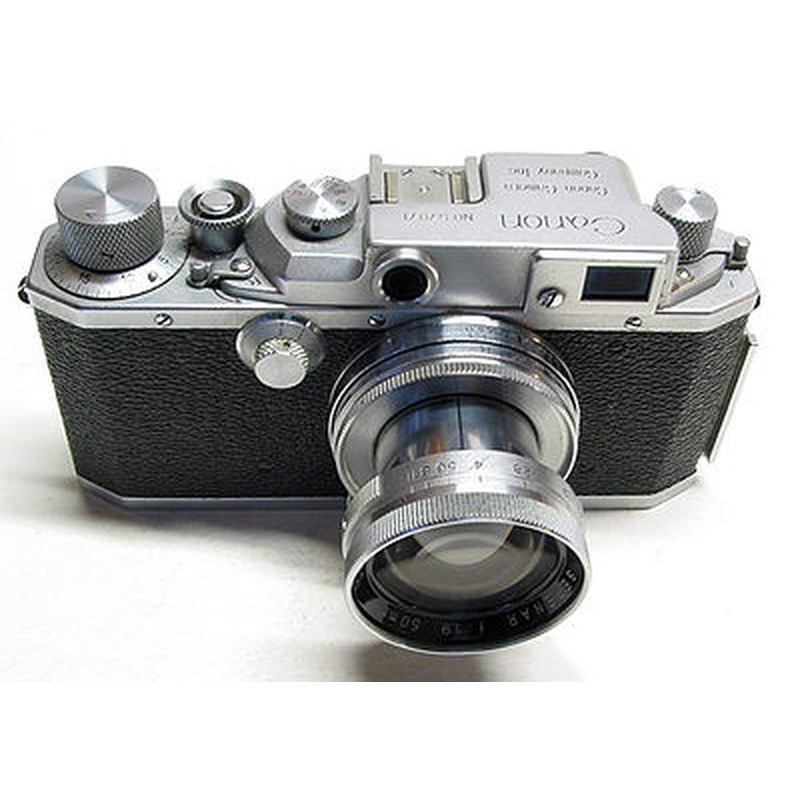
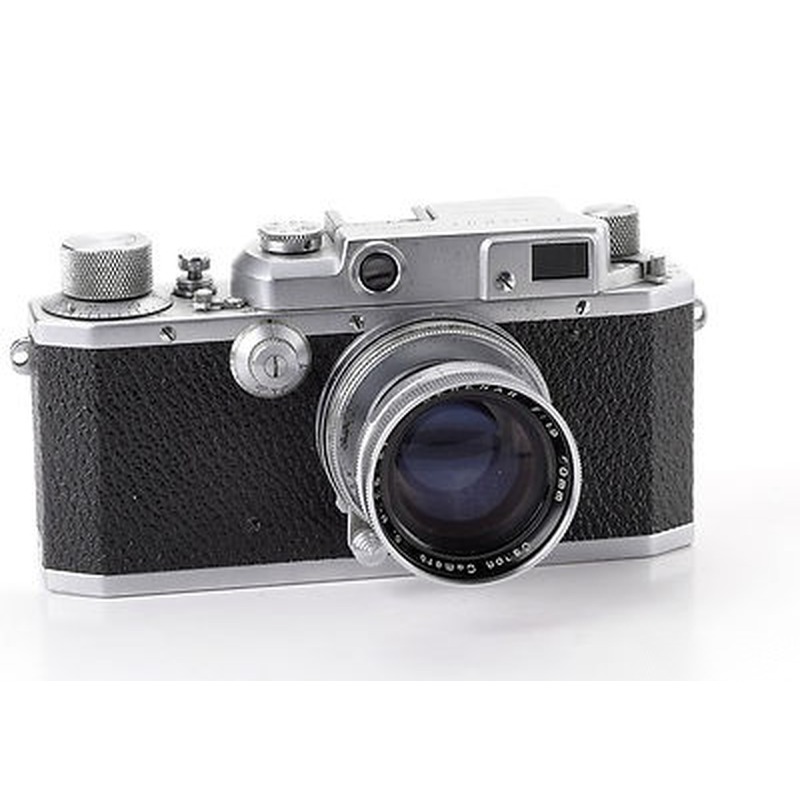
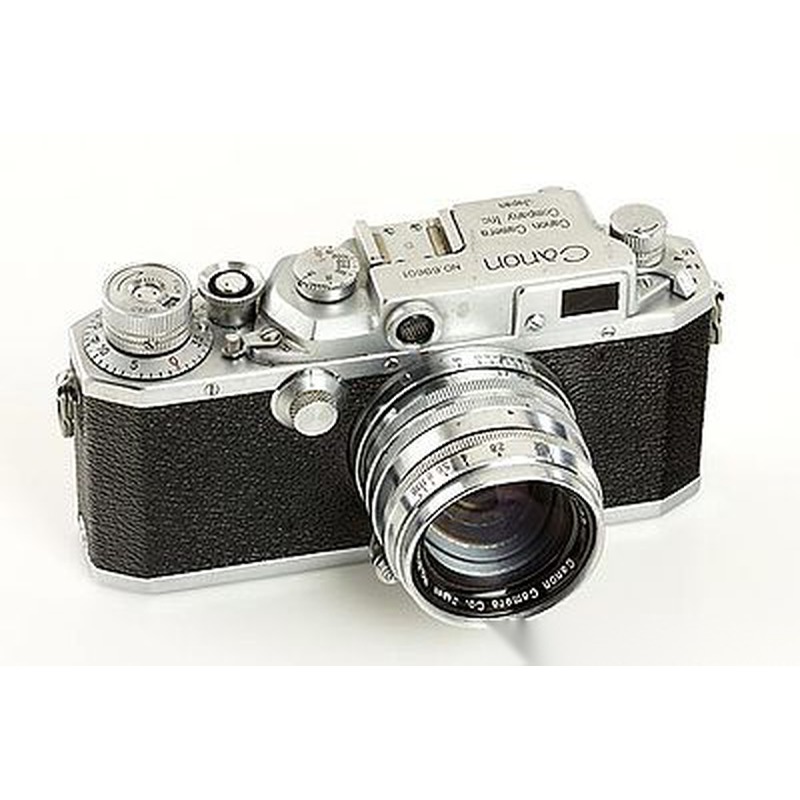
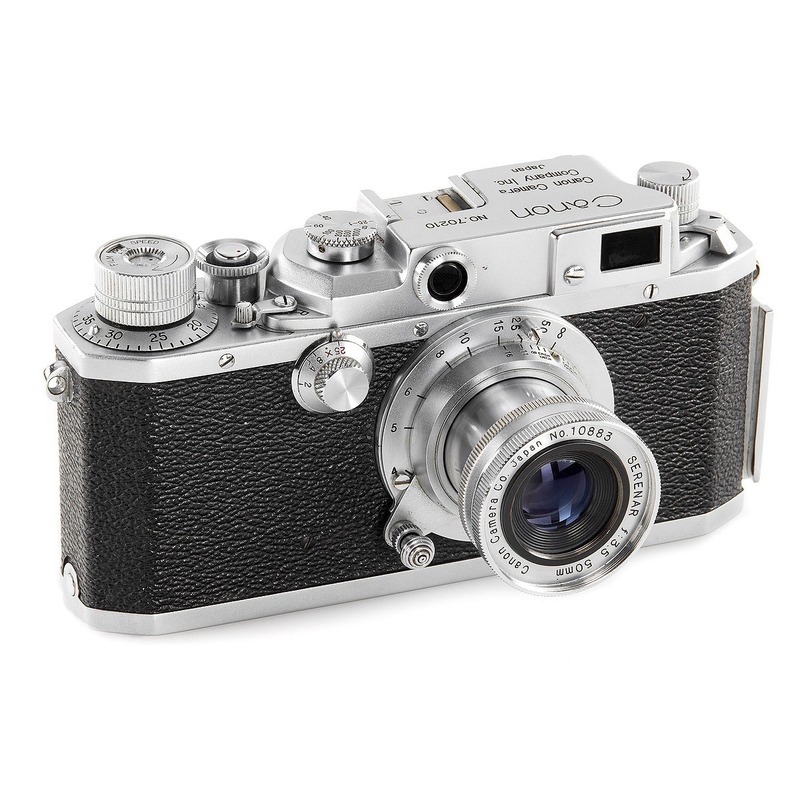
The Canon IVM 1950 (Skinner) represents a significant yet understated chapter in Canon's post-war camera development. Introduced in 1950 as part of Canon's influential IV series, this 35mm rangefinder camera emerged during a period of intense competition in the burgeoning 35mm market. The "M" designation typically signified a refined model with a coupled exposure meter—a notable advancement for its time—and the "Skinner" suffix likely indicates a specialized variant, possibly a custom order or adaptation by a named technician. Built with Canon's characteristic robust metal construction and leatherette covering, the IVM offered practical reliability and precise engineering, featuring a Canon Serenar lens and a coupled rangefinder system that appealed to discerning amateurs and professionals seeking an alternative to European counterparts. While it did not achieve the same iconic status as Leica models, the IVM solidified Canon's reputation as a capable manufacturer, contributing to the brand's transition from optical equipment to serious photographic innovation.
The camera operates with a manual wind lever and coupled shutter-speed dial, emphasizing straightforward functionality over flashiness. Its exposure meter, integrated into the top casing, provided a step forward in convenience for photographers accustomed to separate light meters. Despite its technical competence, the IVM was overshadowed by rivals like Leica and Contax, both in market presence and historical mythology. Nevertheless, it exemplifies the pragmatic design ethos of early 1950s Japanese cameras—durable, purposeful, and unpretentious—making it a noteworthy artifact for collectors interested in Canon's formative years.
Specifications
| Film Format | 135 |
/main.jpg)
/main.jpg)
 Enjoy this museum? Support on Ko-fi