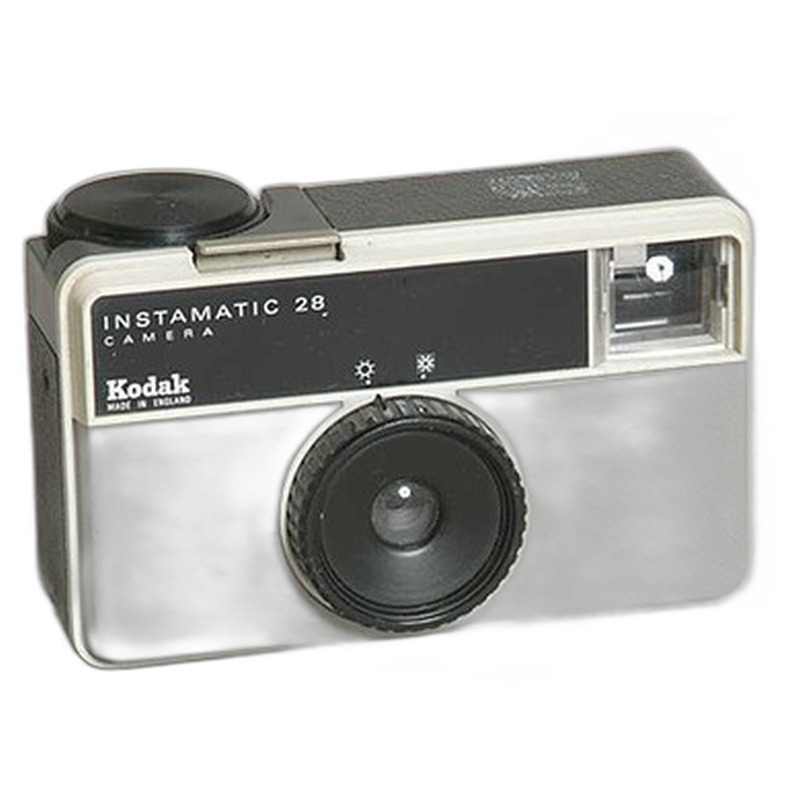
Kodak Instamatic 28
Kodak · USA
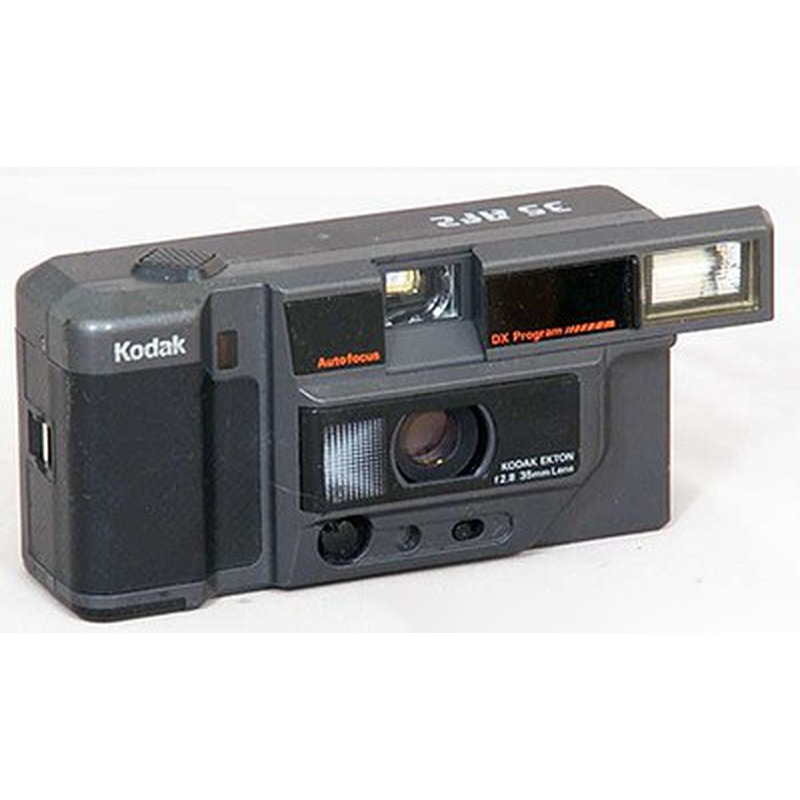
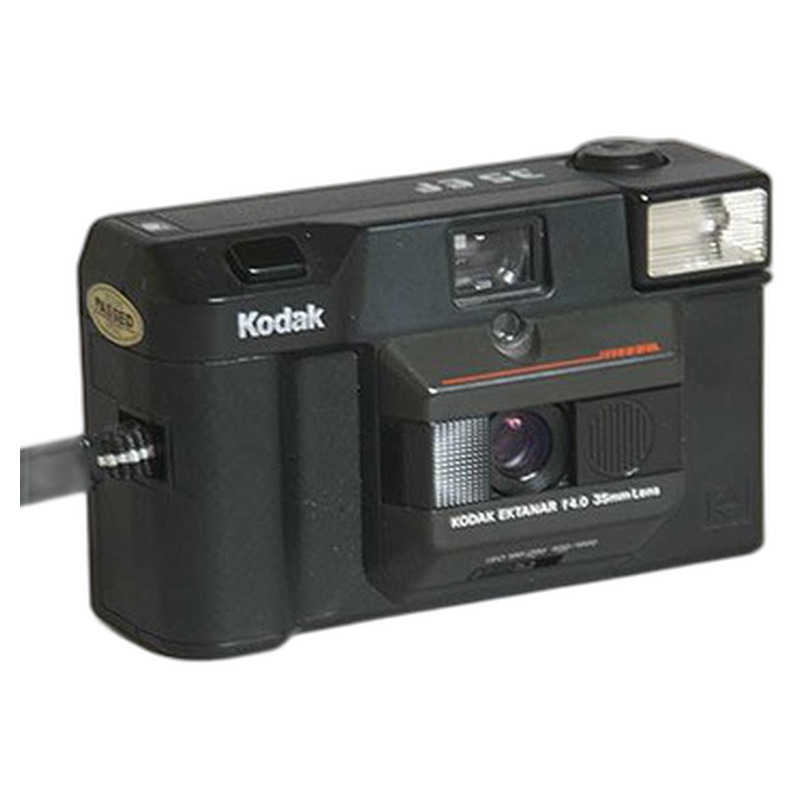
The Instamatic 28 represents Kodak's effort to make photography more accessible to the average consumer during the 1960s. As part of the highly successful Instamatic series, this camera utilized the revolutionary 126 film cartridge, which eliminated the need for threading film and made loading as simple as inserting a cassette. The Instamatic 28 featured a basic viewfinder, fixed-focus lens, and simple shutter speeds, embodying the "point and shoot" philosophy that democratized picture-taking. Its plastic construction and straightforward controls positioned it as an entry-level option for families and casual photographers who wanted a no-fuss solution for capturing moments. While technologically modest by today's standards, these cameras played a crucial role in shifting photography from a specialized skill to a widespread cultural practice, contributing to the explosion of snapshot culture that defined mid-century domestic life.
In the context of photographic history, the Instamatic 28 serves as an excellent example of how industrial design and marketing can create cultural phenomena. Its enduring legacy lies not in technical innovation but in its role as a democratic imaging tool that placed picture-taking capabilities in the hands of millions. Like other Instamatic models, it didn't produce exceptional photographs by artistic standards, but it reliably captured the everyday moments that became visual archives of personal and family history. Its production spanned multiple years during a period when Kodak dominated the amateur photography market, making it a representative artifact of an era when film cameras were the primary means of visual communication for most households.
/main.jpg)
 Enjoy this museum? Support on Ko-fi