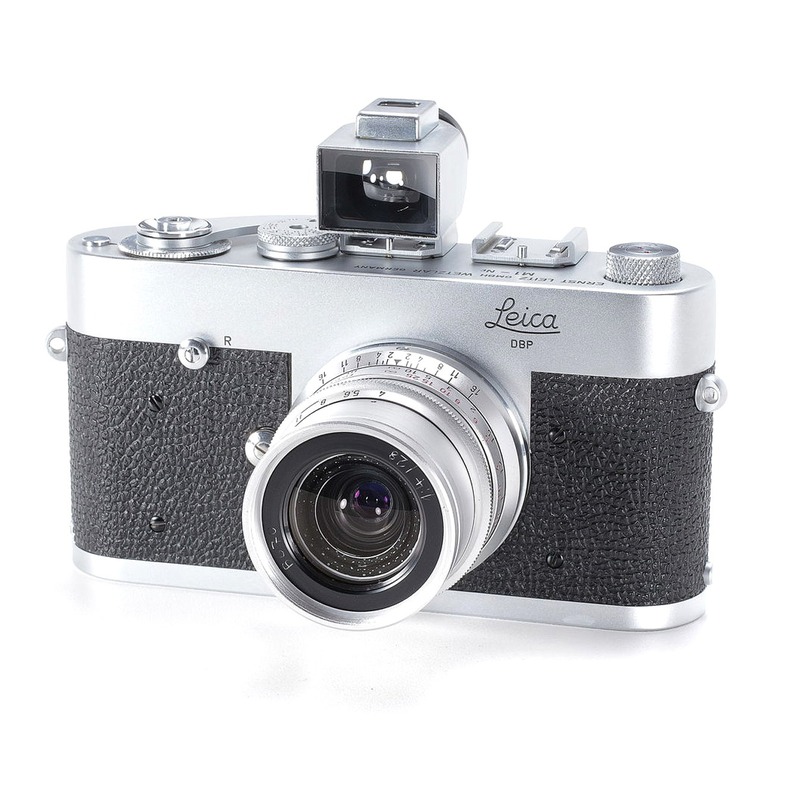
Leica M1 experimental
Leica · Germany · 1958 · 135 film
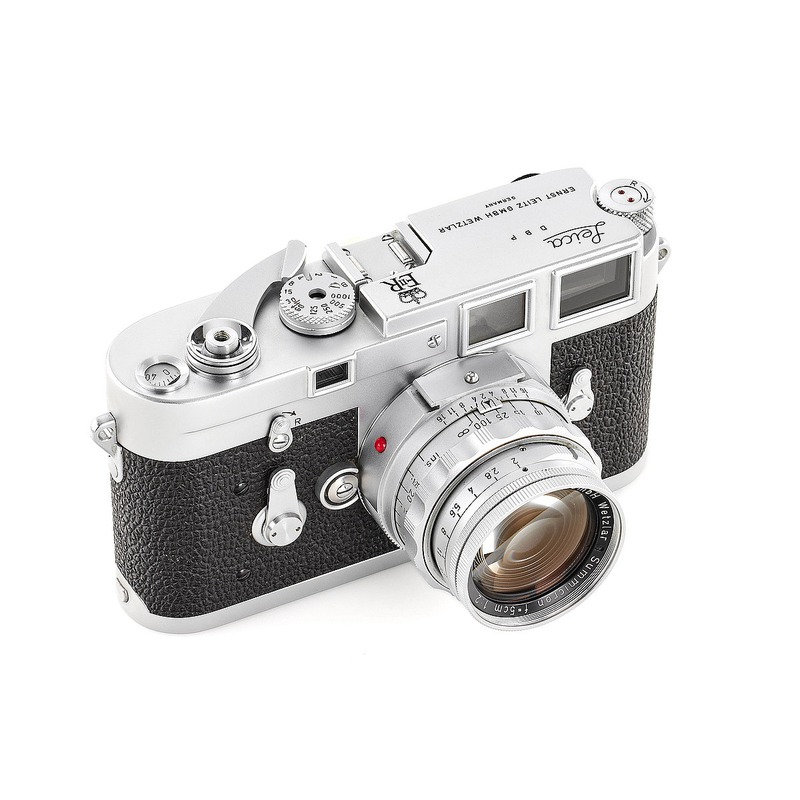
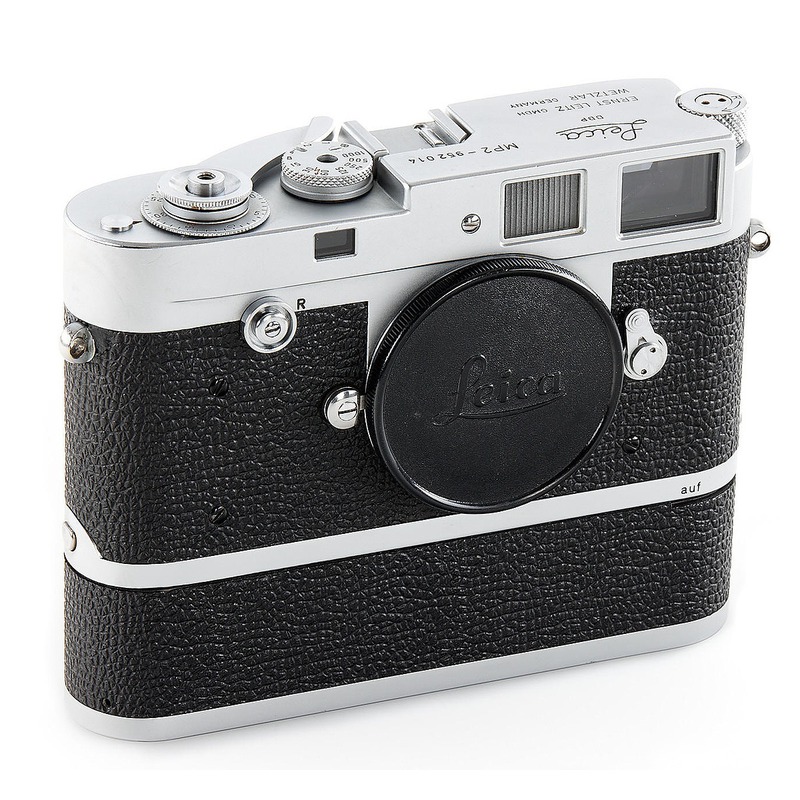
The Leica M1 experimental model, introduced in 1958, represents a pivotal yet obscure stage in Leica's transition from the revolutionary M3 to the more accessible M2. While the M3 (1954) established the Leica M system's rangefinder benchmark with its coupled rangefinder and bright viewfinder, the M1 experimental served as a crucial development prototype, likely testing the core mechanics and ergonomics intended for the subsequent M2 model (1957). Retaining the essential rangefinder and focal plane shutter of the M3 lineage, it simplified the viewing system compared to the M3's complex dual-range finder windows, incorporating a single viewfinder optimized for the standard 50mm lens – a hallmark of the upcoming M2. Its existence underscores Leica's iterative design process, refining the groundbreaking M platform for broader market appeal by removing the M3's rangefinder magnification lever and associated mechanism. Though never marketed as a commercial camera, its experimental nature provides direct insight into the engineering evolution leading to one of the most influential rangefinder camera lines.
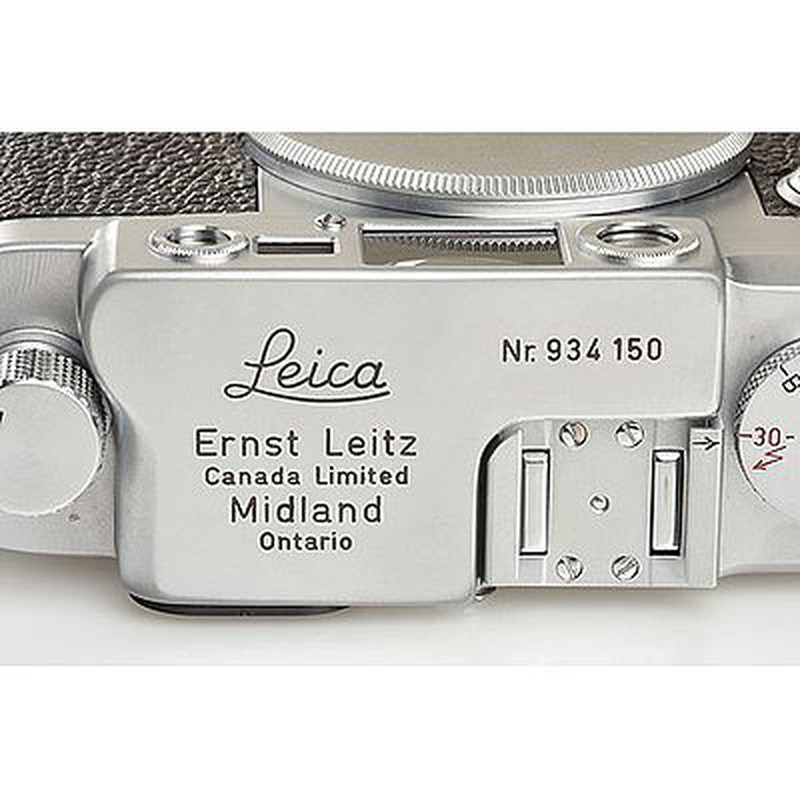
As an experimental prototype, the M1 is characterized by its functional, unfinished appearance compared to finished production Leicas. It likely shares the M2's basic body dimensions and simplified top plate layout but may exhibit minor cosmetic variations, unfinished metalwork, or prototype-specific features not present in final M2 models. Its significance lies primarily within Leica's internal development history and for collectors of rare prototypes, representing a tangible link between the M3's sophistication and the M2's streamlined practicality. It was not a user camera in the traditional sense but a vital stepping stone in cementing the Leica M system's dominance for documentary and reportage photography, embodying the engineering refinement Leica pursued while maintaining its renowned build quality ethos.
Specifications
| Film Format | 135 |
/main.jpg)
/main.jpg)
 Enjoy this museum? Support on Ko-fi