Pricing
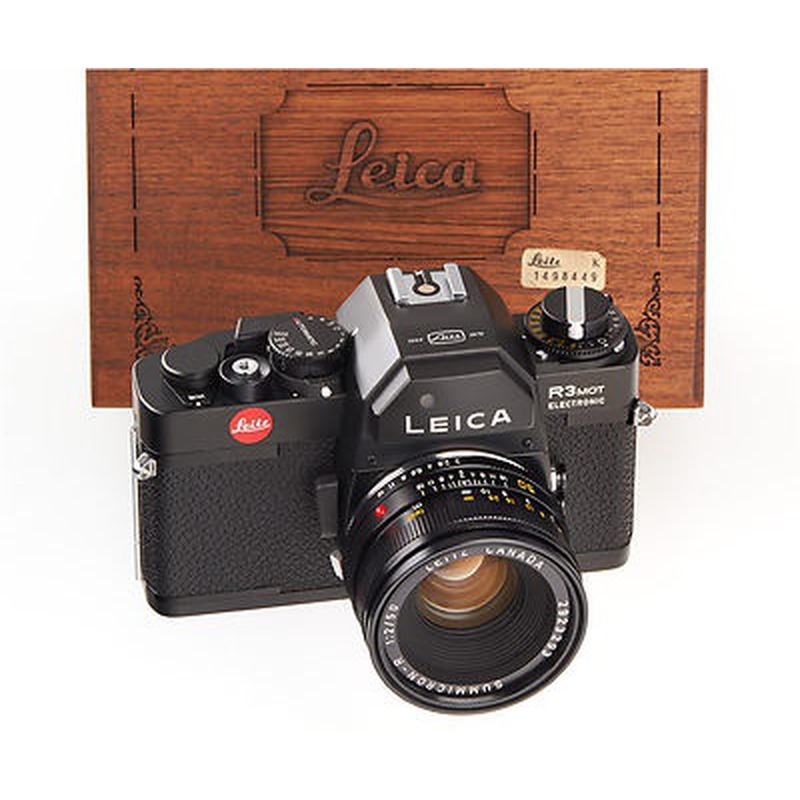
Leica R3 MOT Electronic LHSA
Leica · Germany · 1978 · 135 film
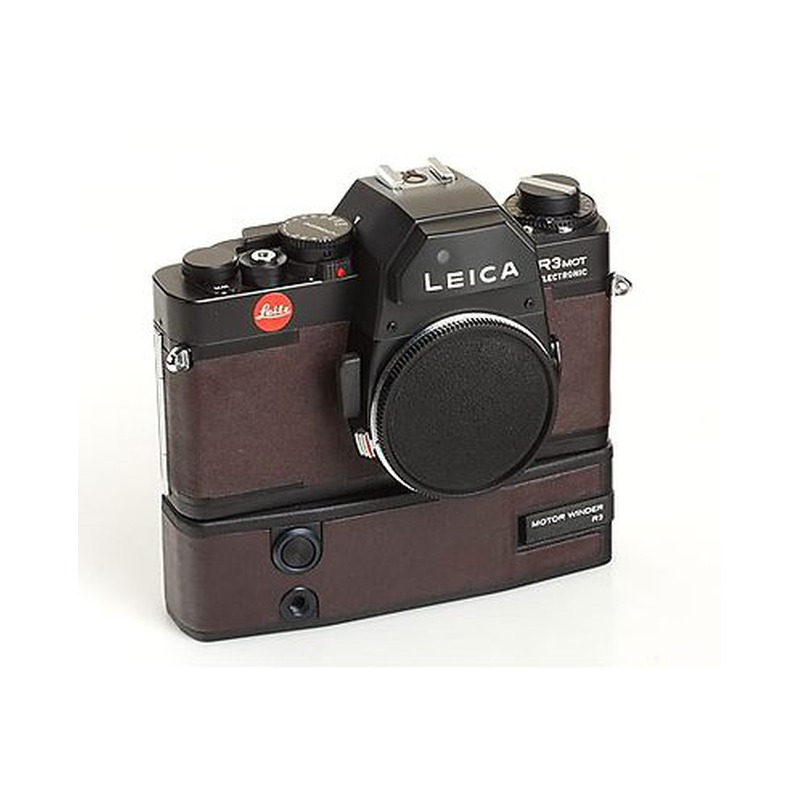
Introduced in 1978, the Leica R3 MOT Electronic LHSA was a significant evolution within the Leica SLR range, marking the brand's first fully electronic shutter model in the R series. Co-developed with Minolta, this 35mm camera offered advanced automation for its time, featuring an electronically controlled vertical metal focal plane shutter with speeds ranging from 1 second to 1/1000th, plus bulb mode. Its "MOT" designation likely refers to its metering capabilities (integrated TTL center-weighted averaging light meter), while the "LHSA" version specifically denotes a limited-production finish, often featuring unique engraving and premium leather trim, produced for members of the Leica Historical Society of America. The R3 retained Leica's renowned R bayonet lens mount, ensuring compatibility with the growing line of Leica R lenses, and incorporated a robust, well-built magnesium alloy body characteristic of Leica's SLR era. It represented a modernization of the Leica SLR concept, blending precision engineering with emerging electronic functionality.
While not achieving the legendary status of earlier or later Leica models, the R3 was a technologically important camera for Leica. It successfully transitioned the R-series into the electronic age, setting the stage for subsequent models like the R4 and R5. The LHSA special edition, in particular, holds niche appeal due to its exclusivity and quality finish. Its design prioritized reliability and user-friendliness alongside Leica's traditional optical excellence, making it a competent and respected tool for photographers during the late 1970s and early 1980s. The R3's significance lies in its role as a bridge between mechanically focused Leica SLRs and the more electronically complex systems that followed.
Specifications
| Film Format | 135 |
/main.jpg)
 Enjoy this museum? Support on Ko-fi