Pricing
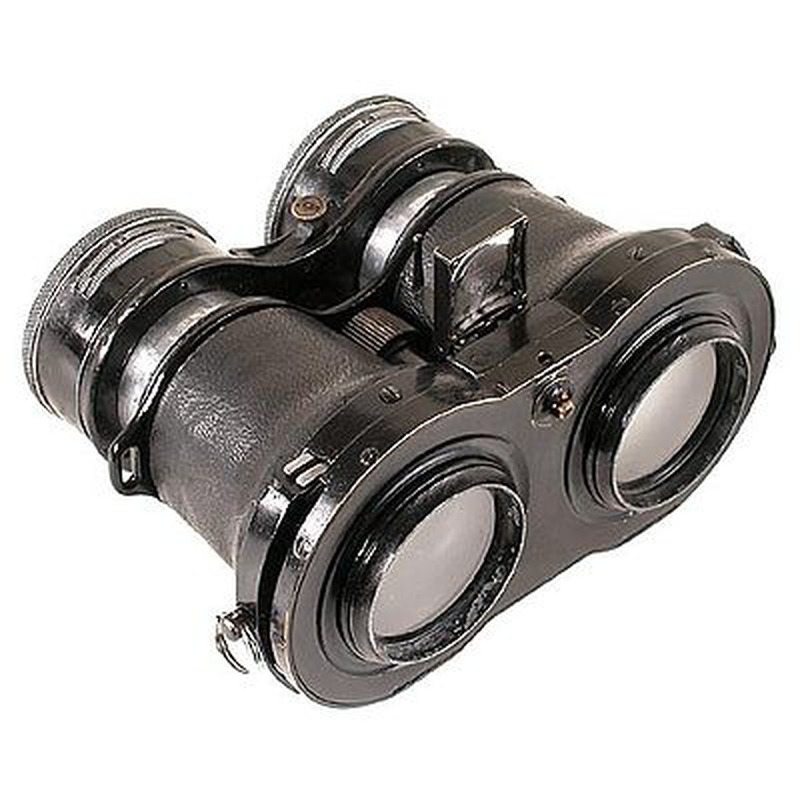
Goerz Stereo-Binocle
Goerz · Germany · 1899–1910 (11 years) · 135 film
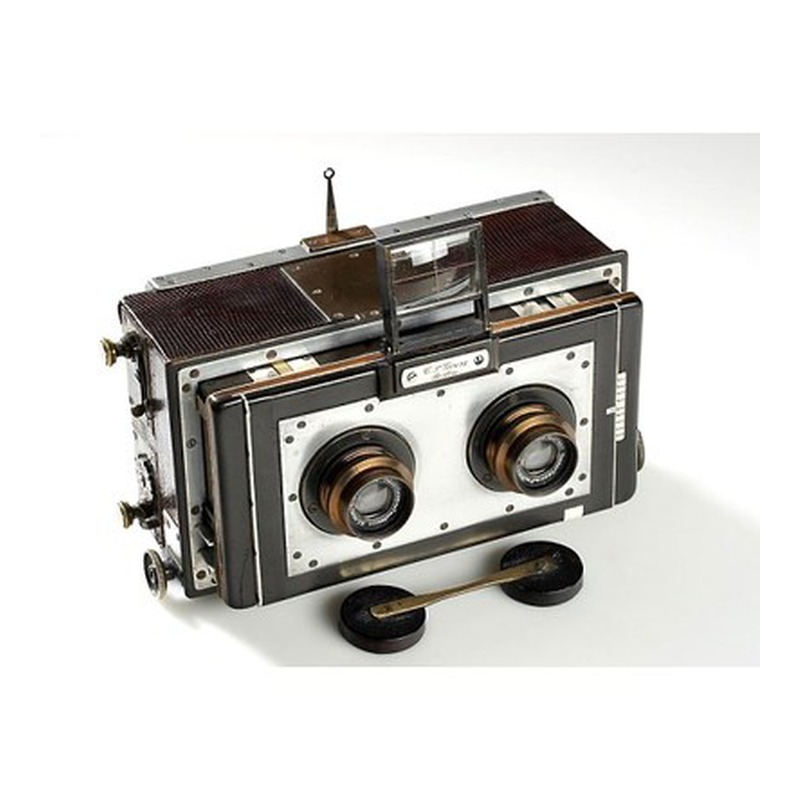
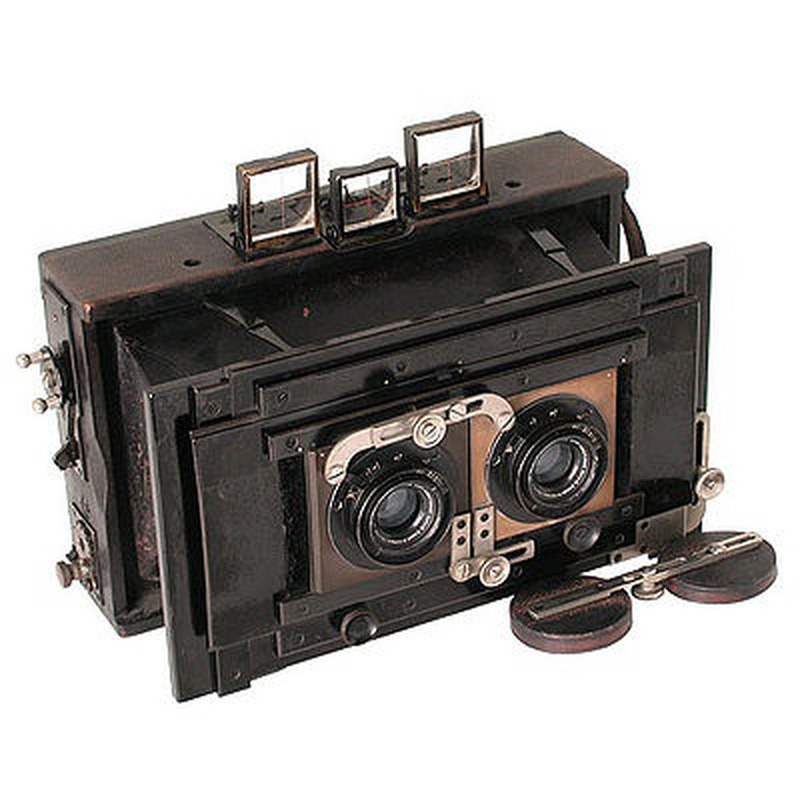
The Stereo-Binocle by Goerz represents a significant early application of the 135 film format, predating the iconic Leica I by nearly two decades. Produced between 1899 and 1910 by this respected German optical firm, it was designed specifically for stereo (3D) photography, a popular pursuit in the late Victorian and Edwardian eras. Utilizing the standard 35mm film perforated for movie cameras, which Goerz adapted for still photography, it enabled compact stereo imaging. Its construction, typical of high-quality period equipment, featured a robust body, likely brass covered in leather, paired with high-quality Goerz Anastigmat lenses designed specifically for stereo capture. While the exact design details like viewfinder type or focusing mechanism are unspecified from the given information, the camera's core innovation lies in being an early, commercially produced 35mm still camera, paving the way for the format's dominance in photography decades later.
Primarily aimed at dedicated amateurs and stereo enthusiasts, the Stereo-Binocle leveraged Goerz's expertise in optics and precision manufacturing. Its existence highlights the experimental phase of 35mm photography before the format became standardized for single-image capture. By offering a dedicated stereo camera on 135 film, Goerz catered to a niche but technically demanding market, demonstrating the company's versatility beyond cinema lenses. While not as widely known or transformative as later single-lens reflex rangefinder cameras, it holds a distinct place as an early pioneer of the miniature film format that would ultimately revolutionize photography.
Specifications
| Film Format | 135 |
/main.jpg)
/main.jpg)
/main.jpg)
 Enjoy this museum? Support on Ko-fi