Pricing
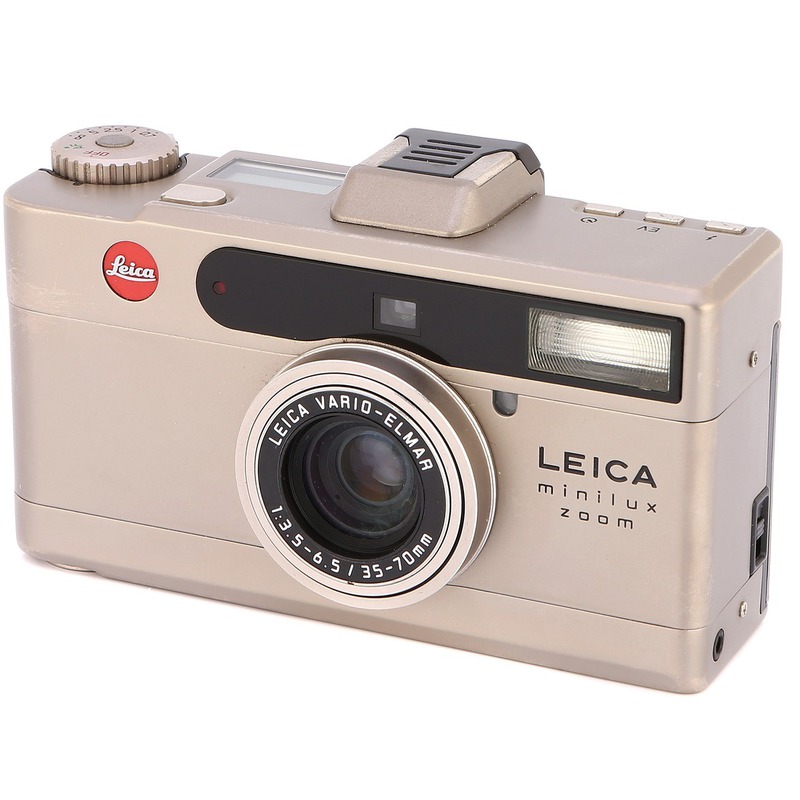
Leica Minilux Zoom
Leica · Germany · 1995 · 135 film
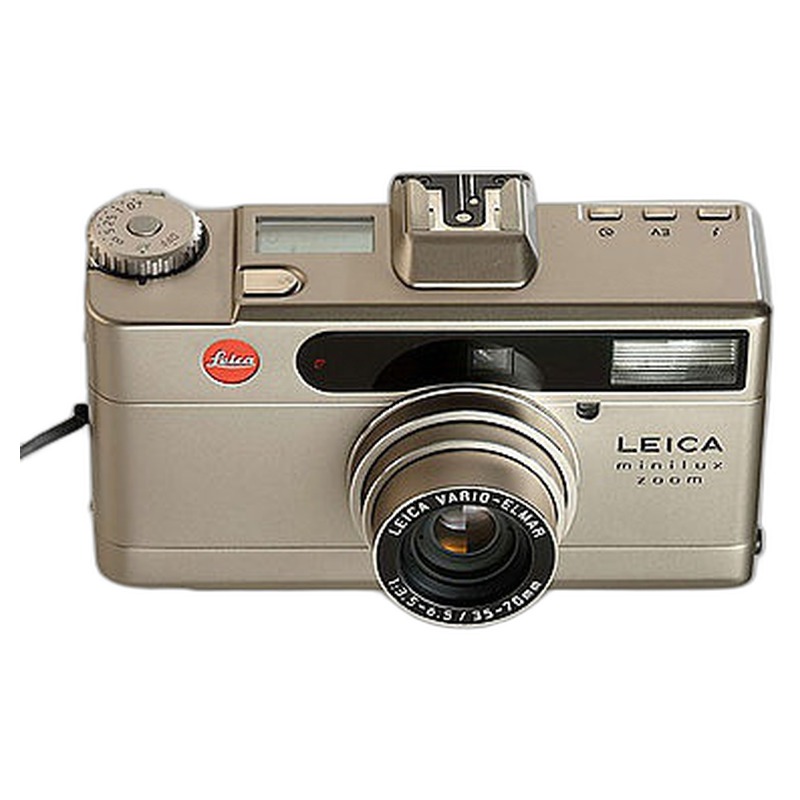
The Minilux Zoom, introduced by Leica in 1995, represents the German manufacturer's entry into the high-end compact zoom camera market, specifically targeting amateur photographers seeking Leica optics and build quality in a portable 35mm format. Designed in collaboration with Minolta (assembled in Japan), it featured a Leica Vario-Elmar 35-70mm f/3.5-6.5 zoom lens, a key attraction for those wanting versatile framing without sacrificing the renowned Leica image rendering. The camera was housed in a sleek, minimalist metal body, emphasizing durability and a premium feel, coupled with straightforward controls including an integrated flash and autofocus system, making it accessible to point-and-shoot users while maintaining a sophisticated aesthetic typical of the Leica brand. While it lacked the interchangeable lenses or rangefinder precision of Leica's core M-system models, it successfully brought Leica's reputation for optical excellence and robust construction into a convenient, fixed-lens zoom package for a broader consumer audience.
Compared to Leica's legendary rangefinders, the Minilux Zoom was a product of its time, reflecting the 1990s trend towards increasingly sophisticated compact cameras. Its significance lies primarily in Leica's strategic expansion beyond its traditional niche, offering practical zoom functionality without the bulk of SLRs. It filled a gap for enthusiasts who valued Leica's quality but required a single, versatile lens solution. While not a groundbreaking innovation in camera technology, it remains a well-regarded example of Leica's commitment to delivering premium user experience and optical performance within the constraints of a compact zoom design.
Specifications
| Film Format | 135 |
/main.jpg)
 Enjoy this museum? Support on Ko-fi