/main.jpg)
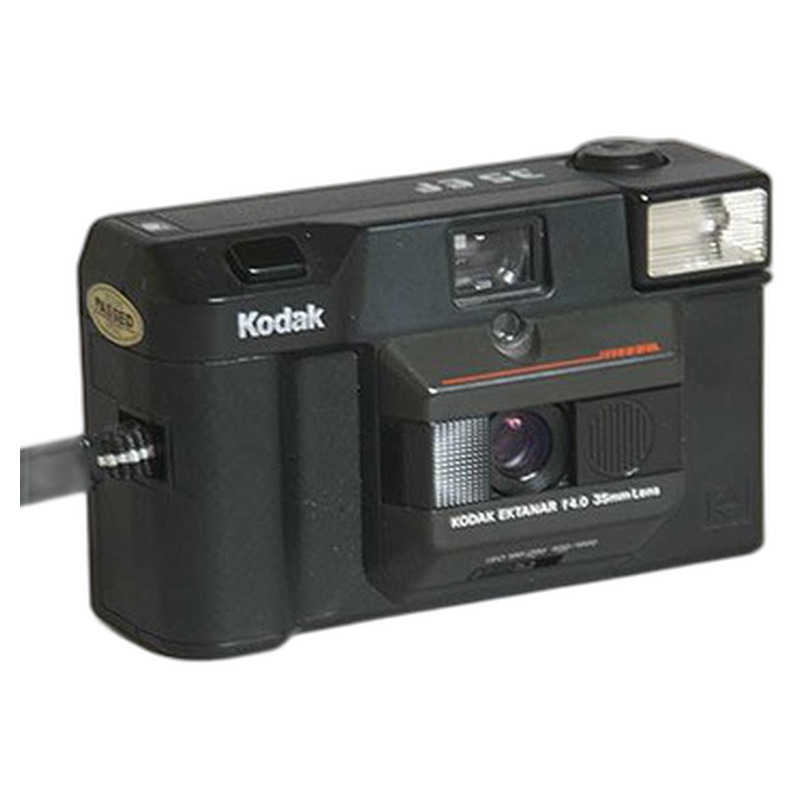
Kodak Retina I (119)
Kodak · USA
The Kodak Retina I (119) represents a significant step in making 35mm photography accessible to a broader audience during the 1930s and 1940s. As part of Kodak's successful Retina line, this model typically featured a coupled rangefinder for focusing precision, a reliable Compur or similar leaf shutter, and a fixed lens offering good optical performance for its class. Its folding design allowed it to be relatively compact when closed, making it a practical choice for amateurs and travel photography. It embodied Kodak's strategy of applying manufacturing expertise and brand trust to the emerging 35mm format, competing directly with German imports like Leica and Contax at a more attainable price point.
This camera served as a reliable workhorse for many photographers, emphasizing usability and consistent results over cutting-edge innovation or exotic materials. Its robust construction for a folding camera, coupled with Kodak's wide availability of readily available 35mm film and processing services, solidified its position as a popular choice for everyday use and family snapshots. While lacking the technical sophistication or iconic status of high-end contemporaries, the Retina I (119) played a crucial role in popularizing the 35mm format and establishing Kodak as a major player in this segment, bridging the gap between box cameras and more complex professional systems.
/main.jpg)
 Enjoy this museum? Support on Ko-fi