/main.jpg)
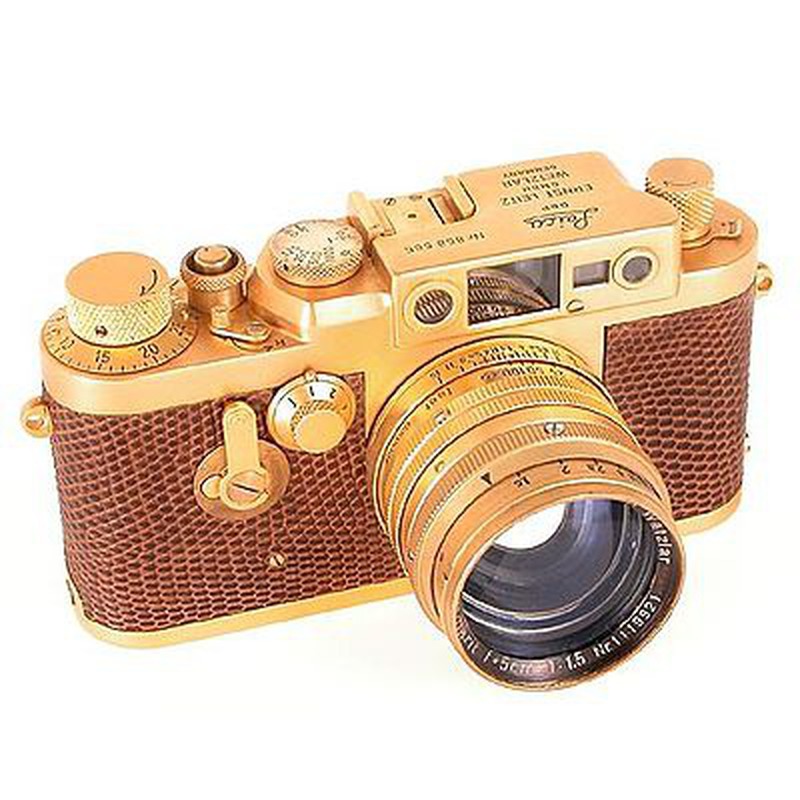
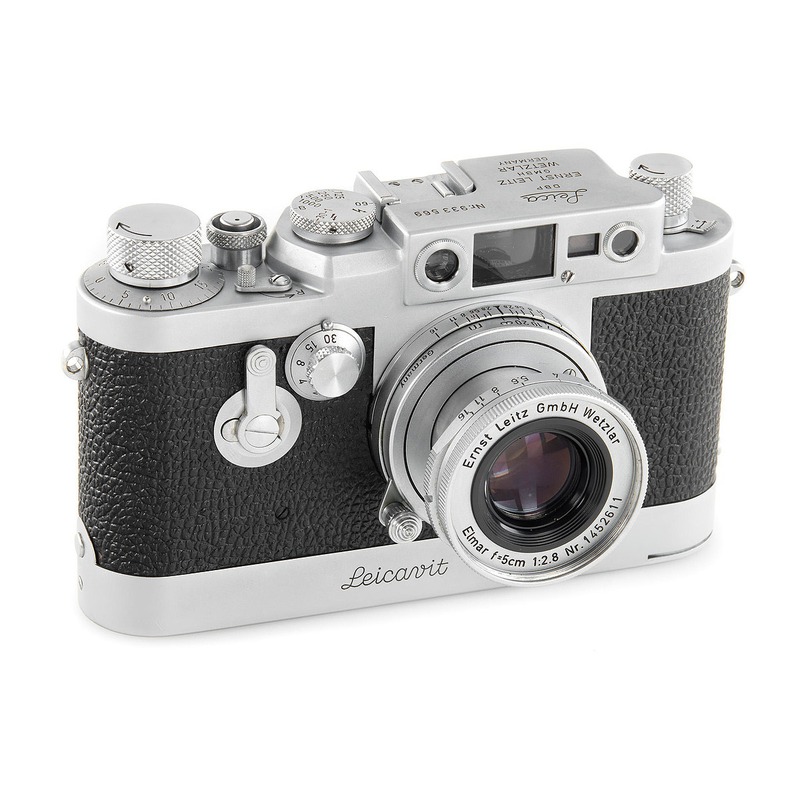
Leica M3 Betriebskamera (M2, encrypted)
Leica · Germany · 1957 · 135 film
The M3 Betriebskamera (M2, encrypted) represents a specialized variant of Leica's renowned M-series, introduced in 1957 for highly specific applications. Based on its designation, this camera was intended for institutional or governmental use, likely within intelligence or security contexts due to its encrypted features. It retains the core mechanical excellence and rangefinder precision of the Leica M system, utilizing the same compact, robust build quality and reliable shutter mechanisms found in contemporaneous models. The "M2" specification suggests it shares the simplified rangefinder patch and slightly larger viewfinder of the standard M2 model compared to the original M3, while the "Betriebskamera" and "encrypted" aspects indicate modifications for secure operation, though the exact nature of these modifications remains obscure without historical documentation. Its existence underscores Leica's historical role in providing precision instruments not just for civilian photographers but also for entities requiring discreet, high-reliability imaging tools.
As a specialized production, the M3 Betriebskamera (M2, encrypted) occupies a niche position within Leica's history. Its primary significance lies in its bespoke nature and intended purpose rather than broad market impact or widespread adoption by famous photographers. Built to Leica's exacting standards, it embodies the brand's commitment to precision engineering, even for limited-run or specialized equipment. While sharing fundamental design principles with the iconic standard Leica M3 and M2, its encrypted features place it outside the mainstream narrative of 35mm photography evolution. Collectors value such variants primarily for their rarity and connection to Leica's history of serving specialized professions, rather than for any groundbreaking technical innovation that changed photographic practice.
Specifications
| Film Format | 135 |
/main.jpg)
/main.jpg)
/main.jpg)
 Enjoy this museum? Support on Ko-fi