Pricing
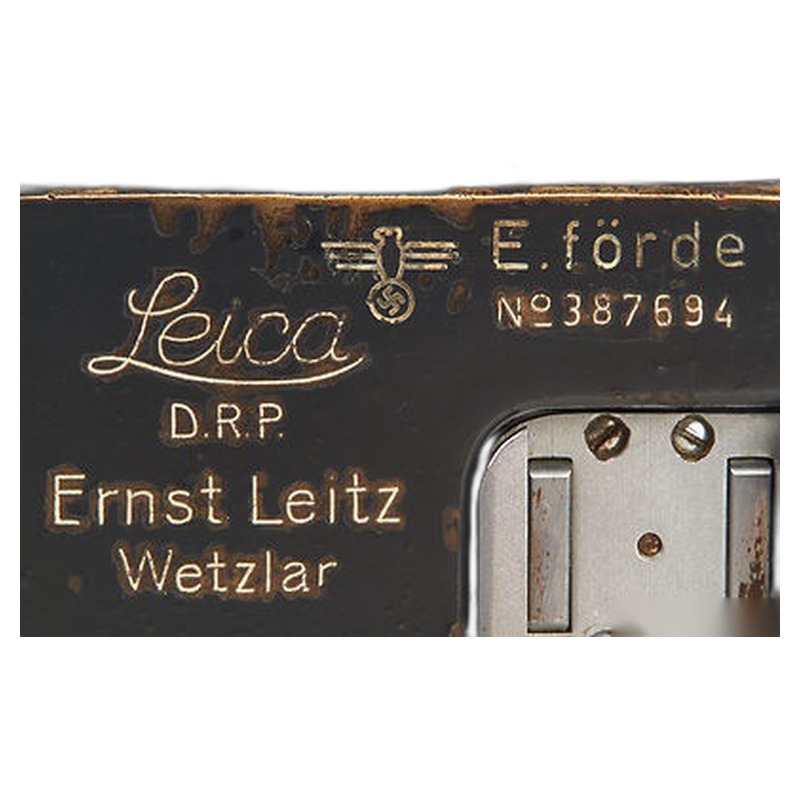
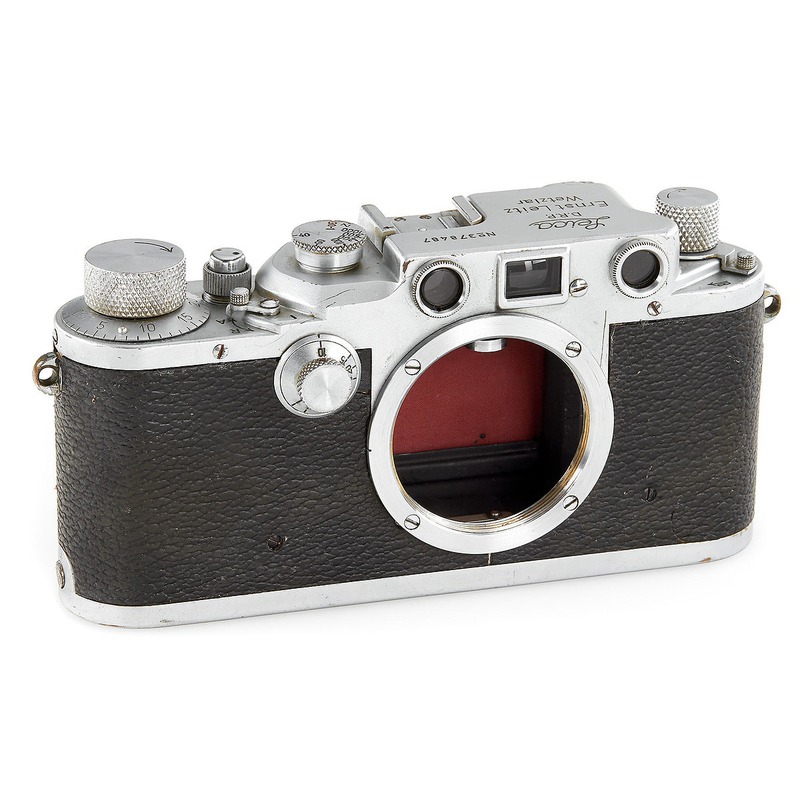
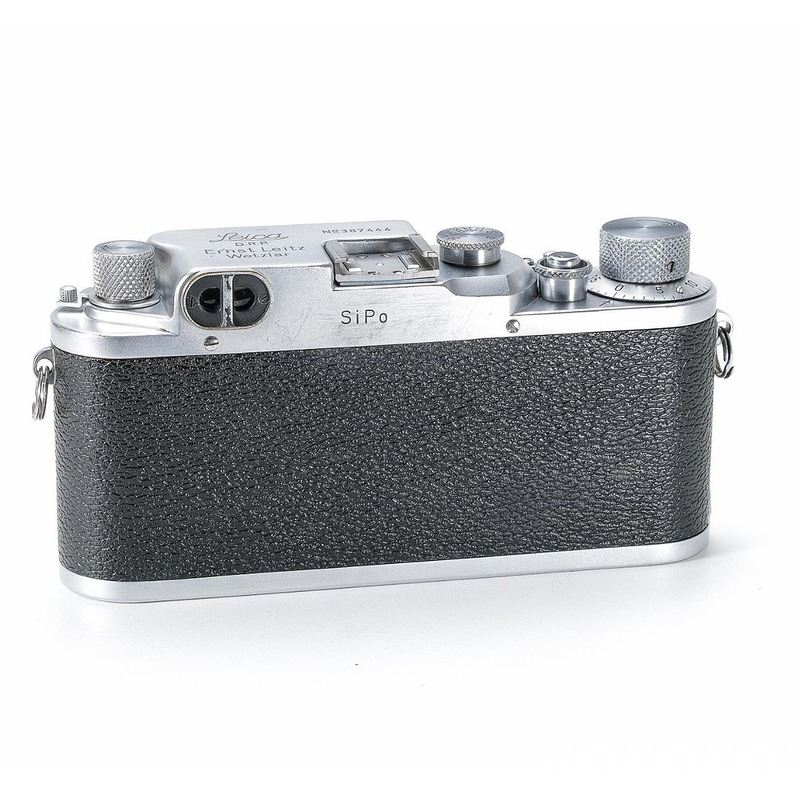
Leica IIIc 'E.förde'
Leica · Germany · 1942 · 135 film
The Leica IIIc 'E.förde' stands as a critical instrument of mid-20th-century photography, embodying the pinnacle of pre-war and wartime rangefinder design. Produced in 1942 by Leitz in Wetzlar, Germany, during the height of World War II, this camera variant represents a significant evolution within the illustrious III series. Its introduction marked the debut of Leica's first camera body constructed entirely from die-cast aluminum, a crucial innovation driven by wartime material scarcity and the need for enhanced durability over the earlier brass-and-leather models. This robust, black-painted metal body offered substantial protection against harsh conditions, making it particularly suited for the environments faced by war correspondents and documentary photographers who relied heavily on Leica equipment. The 'E.förde' designation likely signifies a specific production batch or contract, potentially linked to military or government use, adding a layer of provenance. Mechanically, it retained the excellent coupled rangefinder system for precise focusing, the slow-speed dial (1-1/20 sec) separate from the fast speeds (1/20-1/1000 sec) operated by a convenient thumb-wheel, and the classic Leica cloth focal plane shutter. It was the workhorse that carried iconic photographers like Robert Capa and David Seymour (Chim) through conflicts, capturing some of the most defining images of the era on 35mm film, cementing Leica's reputation as the camera of photojournalism.
Despite the wartime constraints, the IIIc 'E.förde' exemplified Leica's commitment to precision engineering and miniaturization. It maintained the compact form factor and superb optical qualities that defined the Leica system. The combination of its rugged build, reliable mechanics, and the exceptional performance of Leica lenses made it an indispensable tool for photographers demanding portability, discretion, and high-quality results in challenging situations. Its production during a tumultuous period itself speaks to its importance; it was not merely a consumer product but a vital piece of equipment used to document history. The specific 'E.förde' variant, while sharing core specifications with the standard IIIc, holds particular interest to collectors and historians due to its potential association with specific military units or government contracts during 1942, adding a unique chapter to the broader narrative of Leica's wartime production and its enduring legacy in photography. It represents a bridge between the classic Leica IIIa and the post-war IIIc, embodying the resilience and engineering excellence required for its time.
Specifications
| Film Format | 135 |
_(chrome,_wartime)/main.jpg)
/main.jpg)
_250_Rapid_Winder_(SCNOO-250)/main.jpg)
_250_with_motor/main.jpg)
 Enjoy this museum? Support on Ko-fi