Pricing
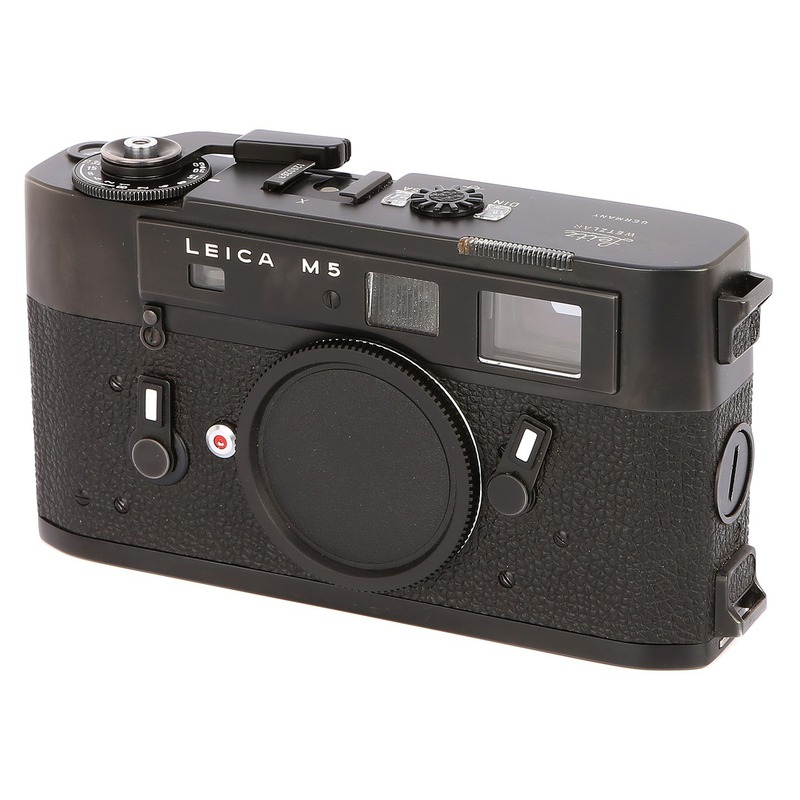
Leica M5 black
Leica · Germany · 1971–1975 (4 years) · 135 film
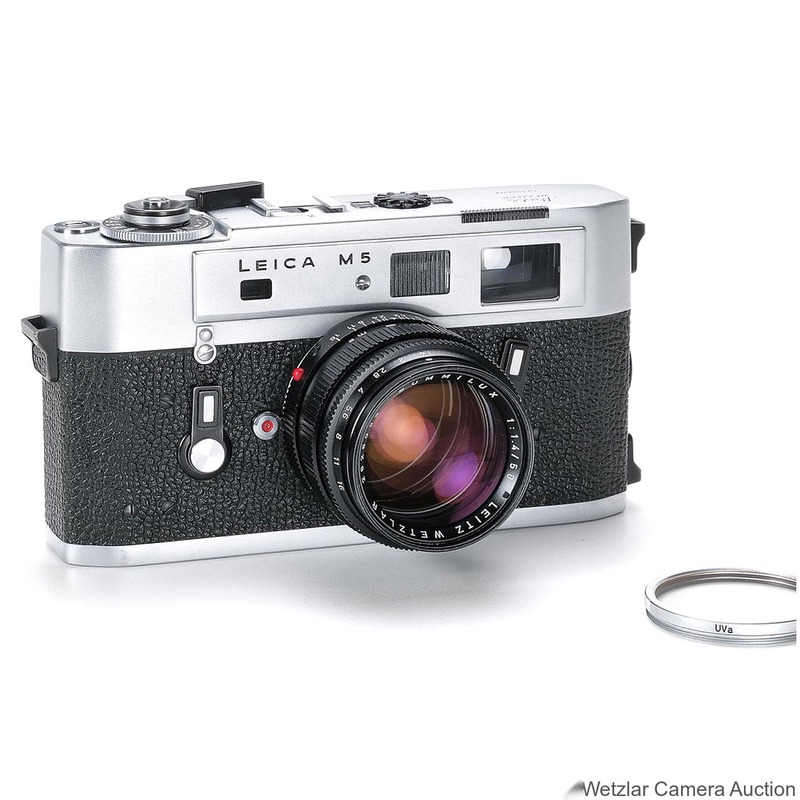
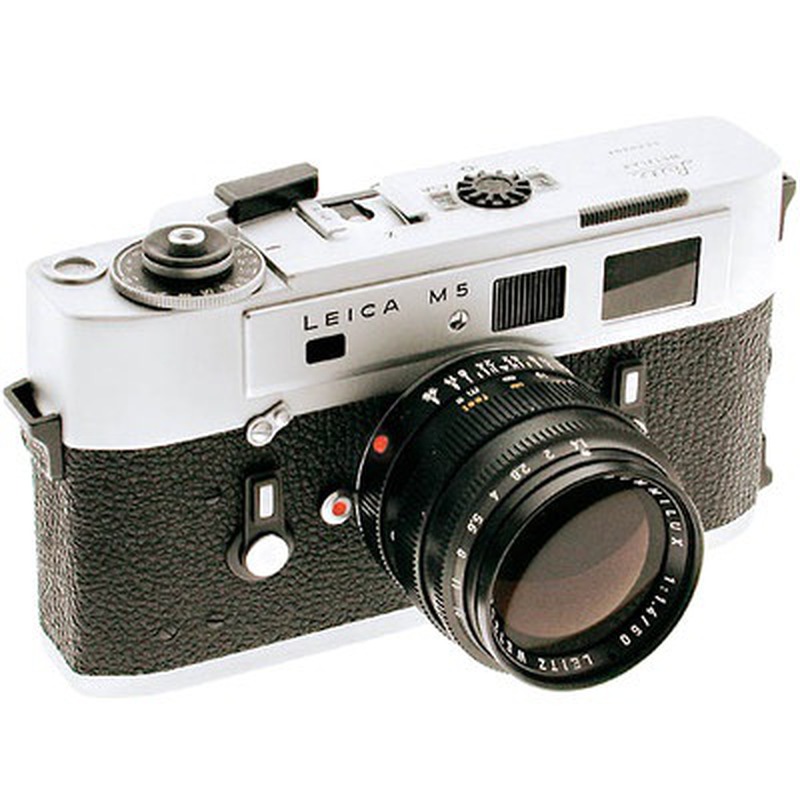
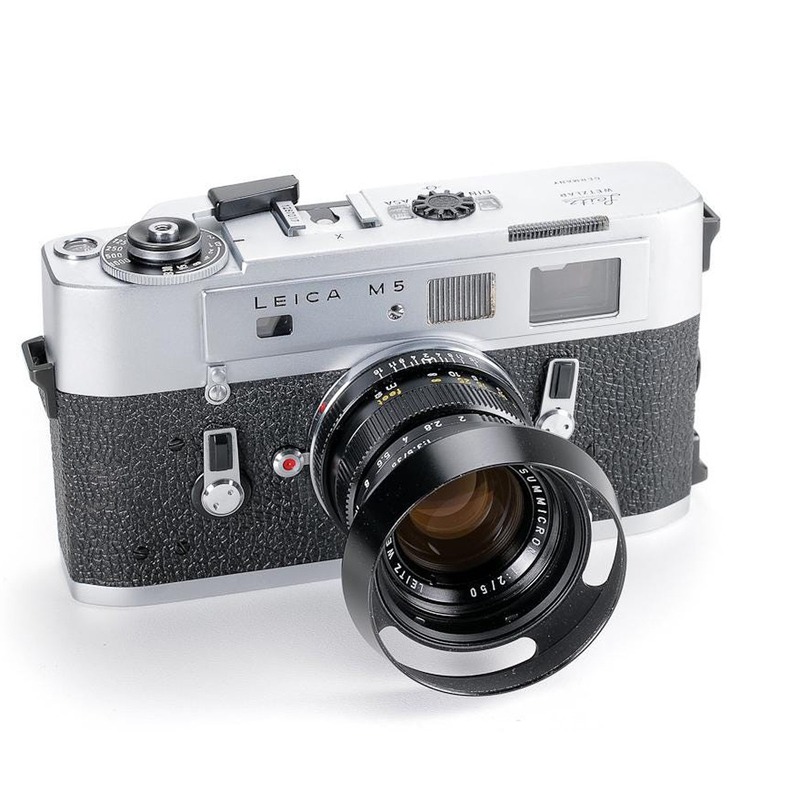
The Leica M5, introduced in 1971 and discontinued in 1975, represents a significant yet transitional phase in Leica's storied M-series rangefinder history. It was the first M camera to feature through-the-lens (TTL) metering, a major technological advancement integrated into the classic rangefinder system. This required a redesigned, larger body compared to its predecessors like the M4, incorporating a match-needle light meter in the viewfinder with a small shutter speed dial on the front plate. While maintaining the core rangefinder focusing and Leica's renowned build quality using magnesium alloy and leatherette, the M5's size increase and the meter placement in the viewfinder, rather than separate windows, proved divisive among traditionalists accustomed to the M3/M4 compact form and external metering. Production ended relatively quickly after only four years, partly due to this mixed reception and the rise of more compact alternatives like the Minolta CLE and later the Leica M4-2.
Despite its relatively brief production run and controversial design changes, the M5 is highly regarded by many enthusiasts for its robust construction, excellent viewfinder/rangefinder combination, and the practical integration of TTL metering into a pure rangefinder camera. It offered photographers the precision of Leica optics and build with the convenience of accurate exposure measurement through the lens, filling a gap between simpler models and later electronically controlled Leicas. Its production period coincided with a shift in the market, making it a significant, if somewhat misunderstood, milestone in the evolution of the Leica M system.
Specifications
| Film Format | 135 |
/main.jpg)
 Enjoy this museum? Support on Ko-fi