Pricing
Nikon Ti cameras
Nikon · Japan · 135 film
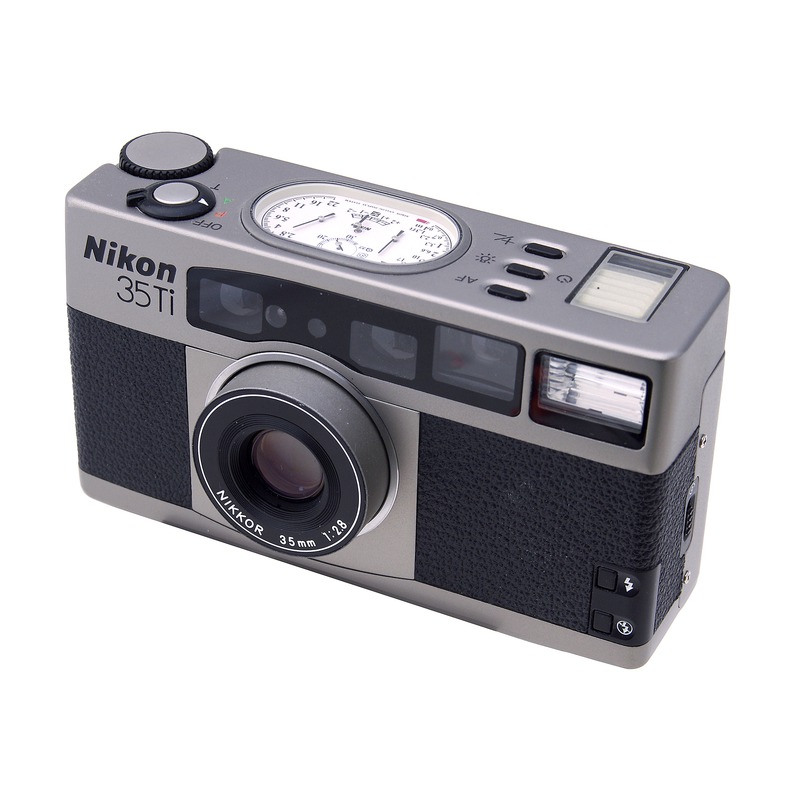
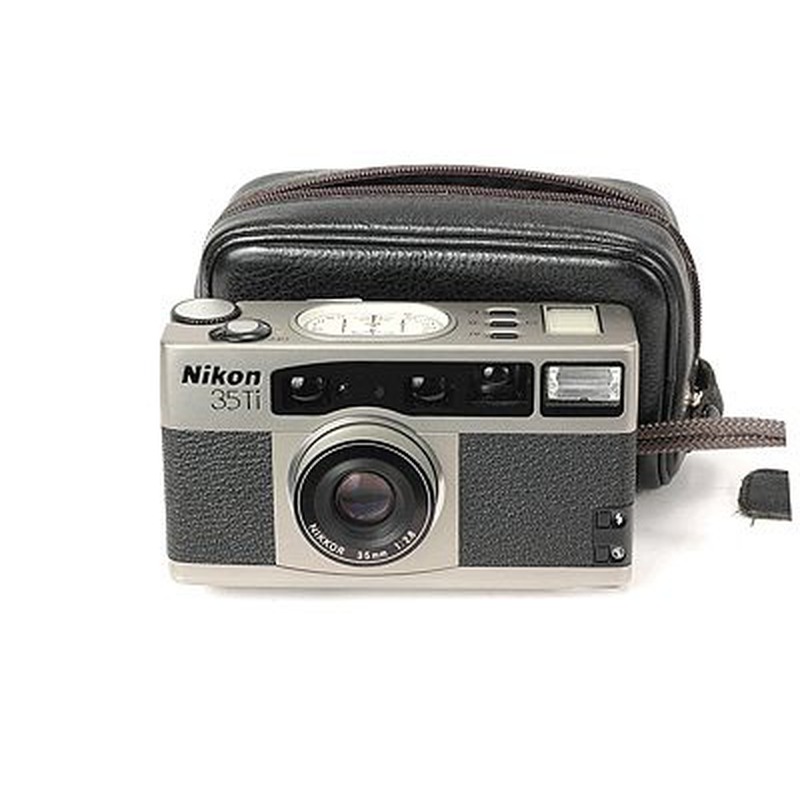
The Nikon Ti series, comprising the Nikon 35Ti (1993) and Nikon 28Ti (1994), represents Nikon's ambitious entry into the luxury compact camera market during the zenith of Japan's economic bubble. These titanium-clad point-and-shoot cameras were engineered as direct competitors to prestigious offerings from Contax (T-series), Konica (Hexar), Leica (MiniLux), Minolta (TC-1), Ricoh (GR series), and Rollei (QZ 35W/35T). Their existence underscores a unique period when premium materials and precision optics were even prioritized in the most pocketable formats, reflecting both consumer confidence and a desire for status symbols in photography. Manufactured with meticulous attention to detail, the cameras utilized lightweight yet incredibly durable titanium for their bodies and top covers, a material choice that significantly reduced weight while maintaining structural integrity and lending an undeniable premium feel. This commitment to high-quality materials was matched by the optics; the 35Ti featured a superb Nikkor 35mm f/2.8 lens, renowned for its sharpness and compactness, while the 28Ti offered a wider 28mm f/3.5 Nikkor lens, catering to those preferring a broader perspective. Their sophisticated engineering included advanced autofocus systems, exposure modes, and minimalist, intuitive controls housed within their sleek, minimalist shells. Technically, while they shared core point-and-shoot automation, the Ti cameras were distinguished by their exceptional lens quality and the novel integration of titanium, setting a benchmark for both compactness and premium build. Although specific renowned photographers are not widely documented as primary users, their design ethos influenced subsequent generations of compact cameras and cemented a legacy as artifacts of analog craftsmanship during a specific economic and cultural moment.
Specifications
| Type | Point & Shoot |
| Film Format | 135 |
| Lens / Mount | fixed |
 Enjoy this museum? Support on Ko-fi