Pricing
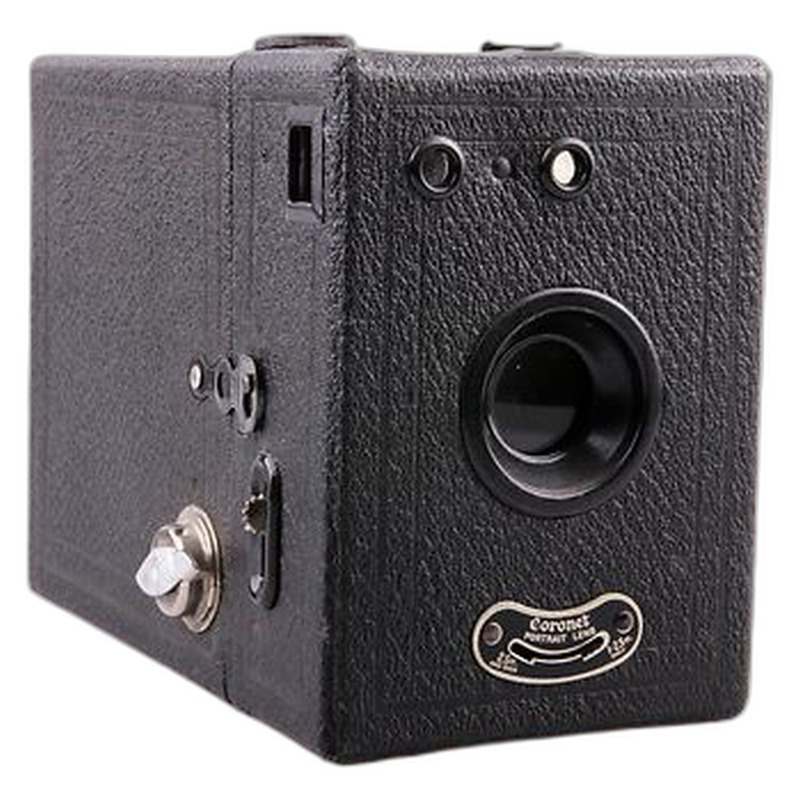
Coronet Portrait
Coronet · UK · 1928–1930 (2 years) · 135 film
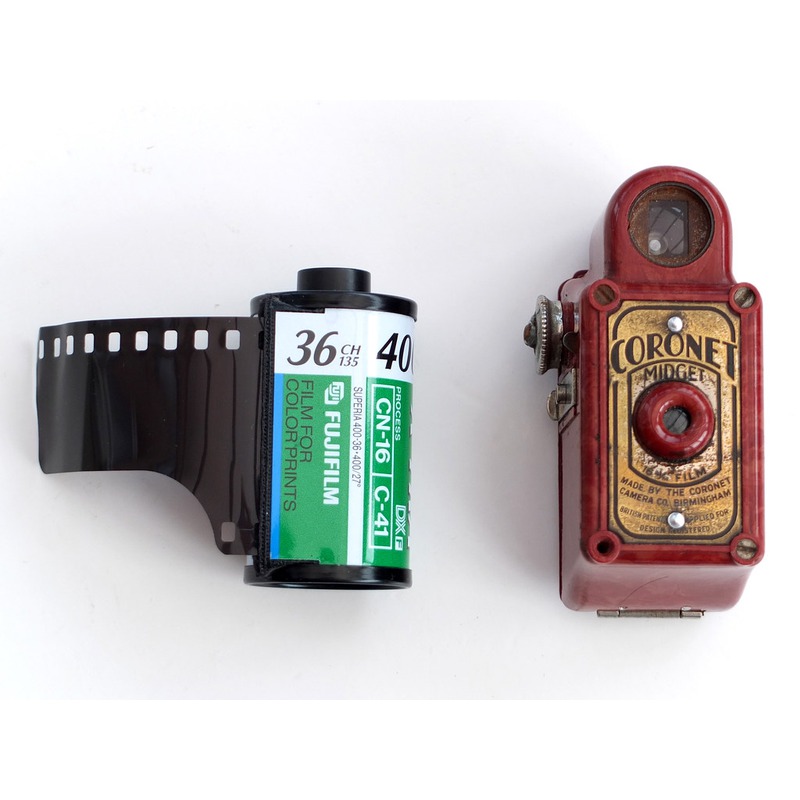
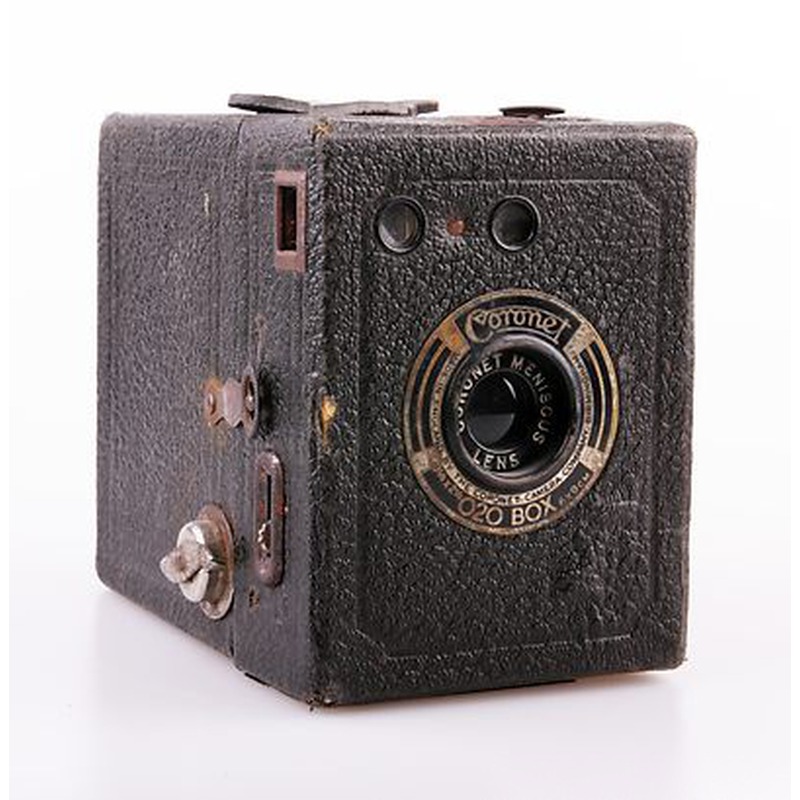
The Coronet Portrait is a 35mm camera produced by the Coronet Camera Company in the United Kingdom between 1928 and 1930. It falls within the early period of 35mm film adoption, following the introduction of Leica's pioneering Ur-Leica in 1925. Utilizing the standardized 135 cassette film, the Portrait was designed for the amateur market. Based on typical examples of the era and Coronet's known production, it was likely a simple, boxy or flat-folding camera constructed from materials such as stamped metal or early Bakelite, featuring basic controls including a simple shutter speed selector and lens focusing mechanism. Its name suggests an intended primary use for portraiture, though it was a general-purpose snapshot camera without any documented groundbreaking features or design innovations for its time. It represents one of the many affordable, mass-market 35mm cameras that emerged as the format gained traction during the late 1920s, but it does not appear to have achieved notable distinction in the marketplace or photographic history.
Specifications
| Film Format | 135 |
/main.jpg)
 Enjoy this museum? Support on Ko-fi