Pricing
Kodak Six-16 Improved
Kodak · USA · 1934–1936 (2 years) · 135 film
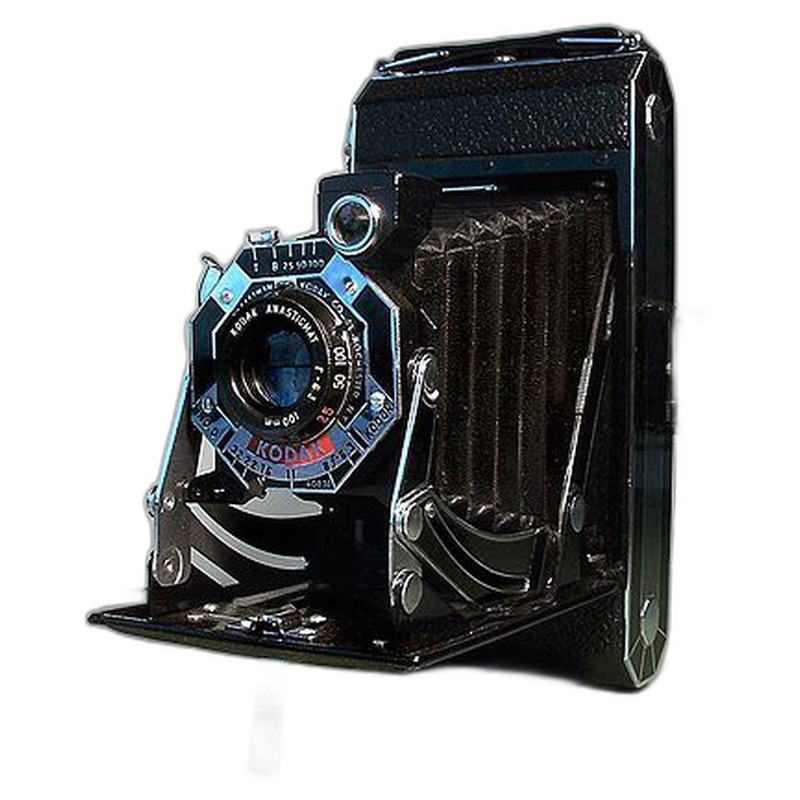
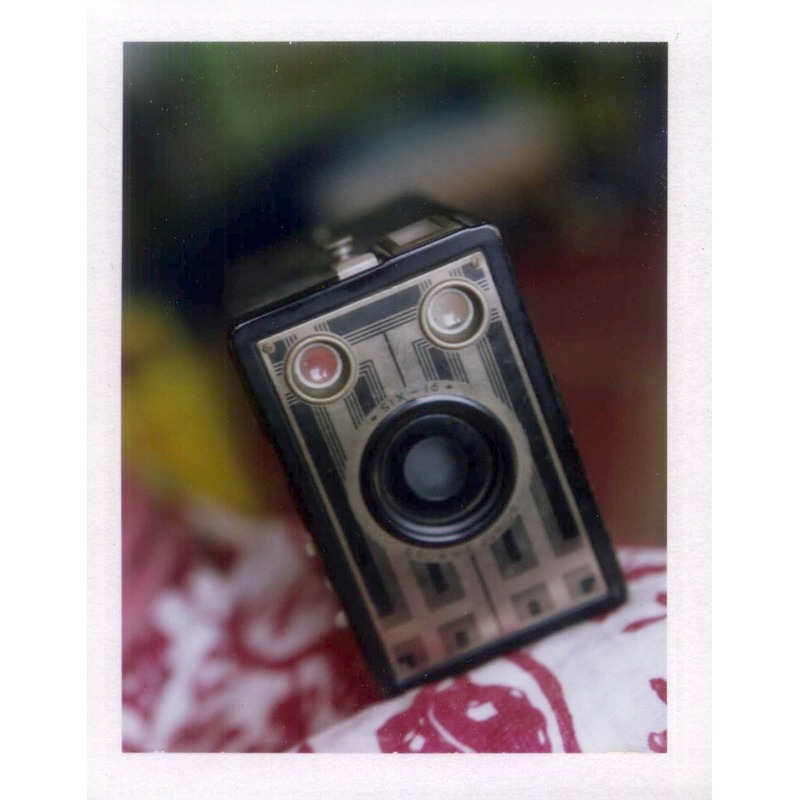
The Kodak Six-16 Improved, produced from 1934 to 1936, represents Kodak's effort to make 35mm photography more accessible to the consumer market. Designed as a straightforward, viewfinder camera, it used standard 135 film cassettes, democratizing the format beyond specialized models. Its name hints at its predecessor, the Six-16, which used a proprietary 6x16cm format; this "Improved" version shifted to 35mm, aligning with the emerging standard. The camera featured a fixed-focus lens, simple shutter speeds, and a basic metal construction typical of Kodak's entry-level offerings of the era, prioritizing affordability and ease of use over advanced features or precision engineering. While not groundbreaking in design or technology, it played a role in popularizing 35mm film for snapshot photography before Kodak's more iconic Retina cameras fully dominated the market.
Specifications
| Film Format | 135 |
/main.jpg)
/main.jpg)
_(black)/main.jpg)
_(brown)/main.jpg)
 Enjoy this museum? Support on Ko-fi