Pricing
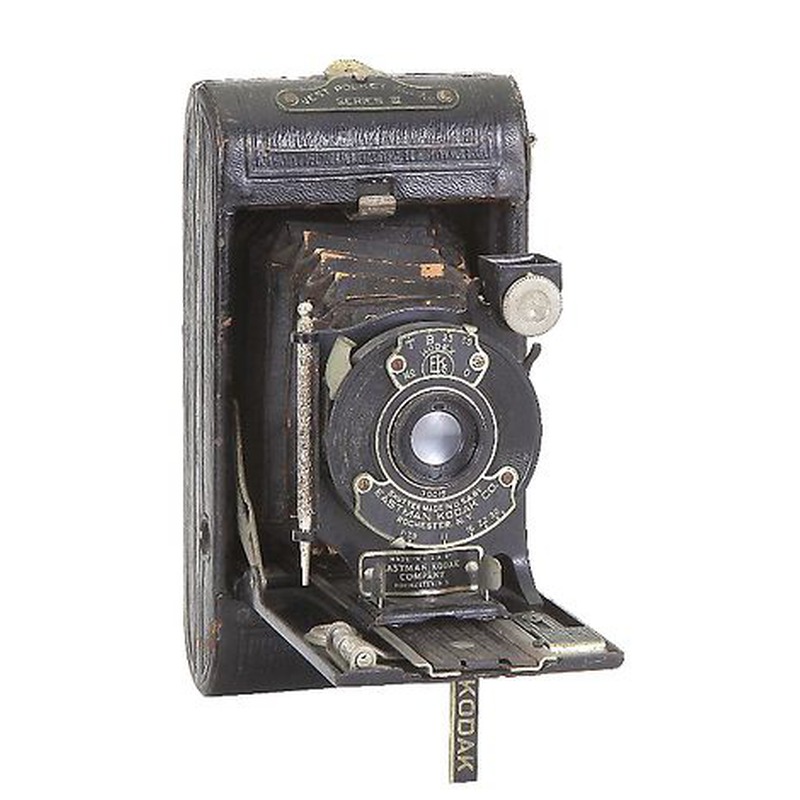
Kodak Vest Pocket Series III
Kodak · USA · 1926–1933 (7 years) · 135 film
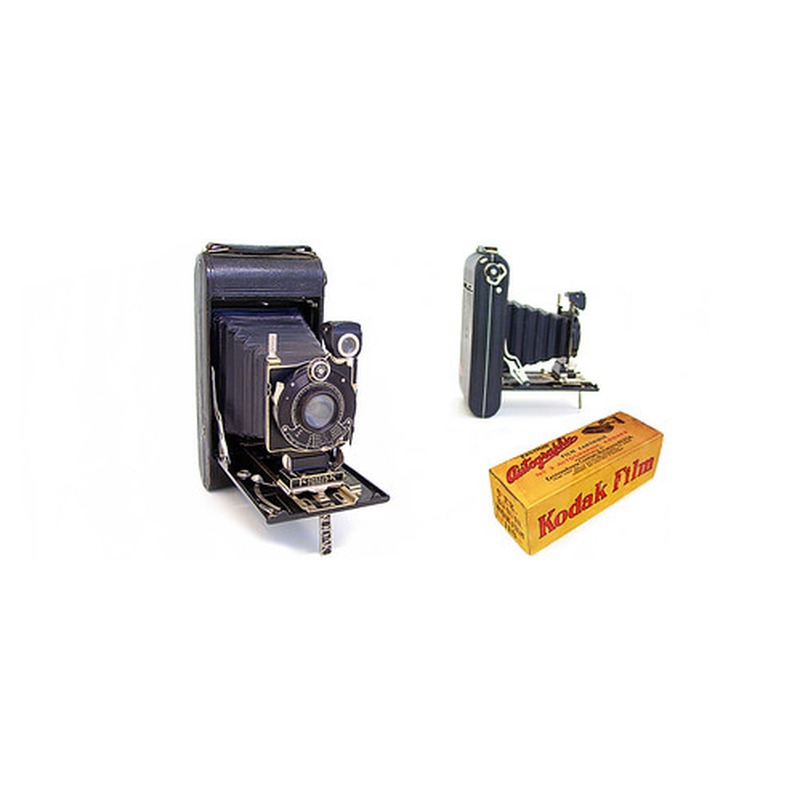
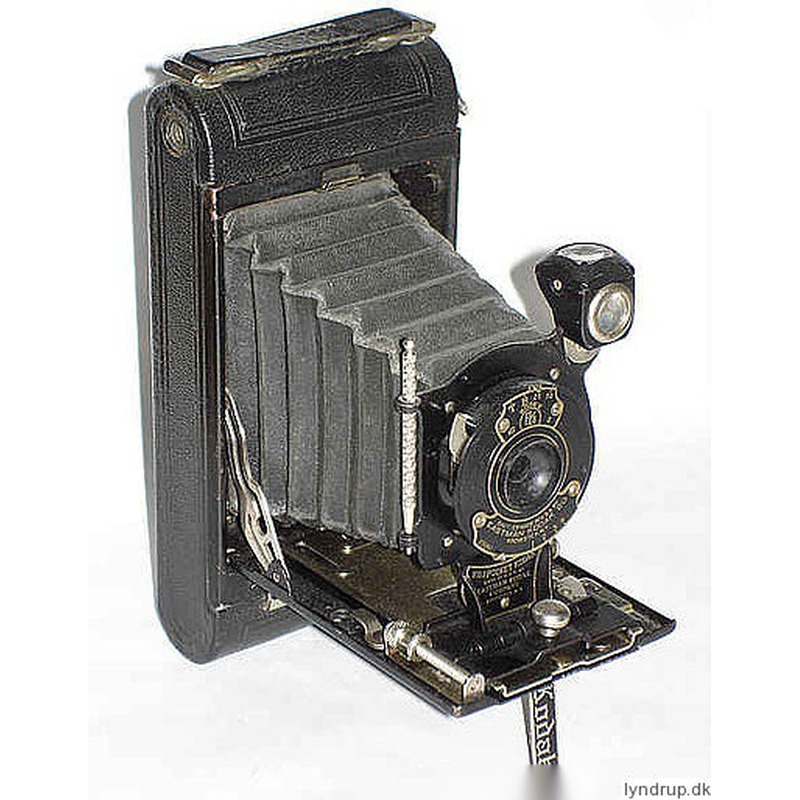
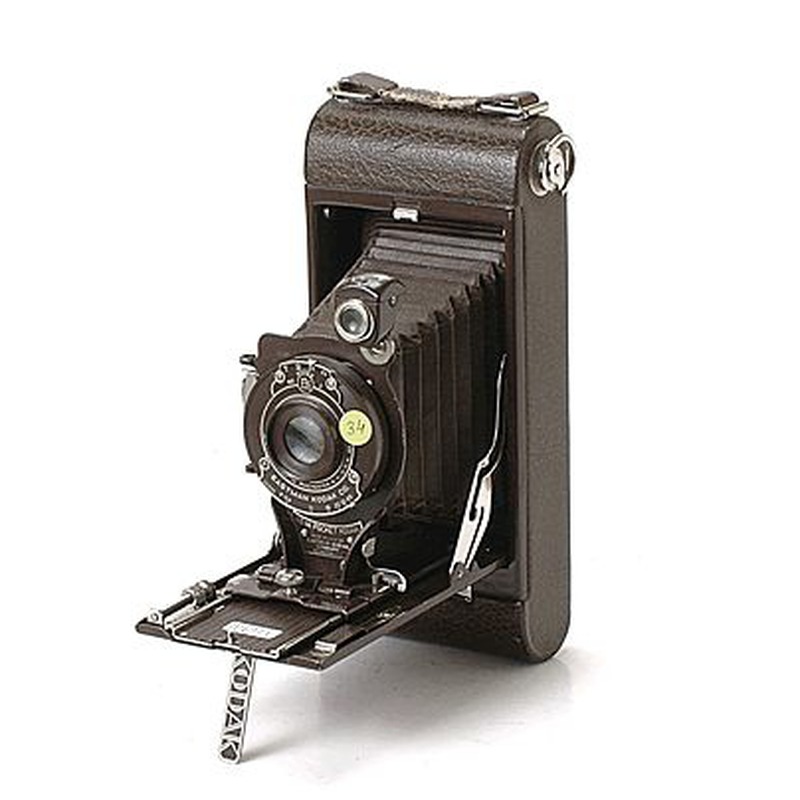
The Vest Pocket Series III holds a notable place as Kodak's first significant entry into the 35mm (135) film market within the United States, produced between 1926 and 1933. Building upon the immense popularity of its earlier Vest Pocket Autographic models (using 127 film), this iteration marked a strategic shift towards the smaller, higher-quality 35mm format that was gaining traction with European imports like the Leica. Characterized by its compact, folding metal body inspired by the original Vest Pocket design, the Series III retained the vest-pocket portability that had made its predecessors ubiquitous. It featured a simple, fixed lens (often a Kodak Anastigmat) and a basic shutter, designed primarily for amateur photographers seeking convenience and decent image quality in a remarkably small package. While not technically innovative like contemporary European 35mm cameras, its significance lies in Kodak leveraging its massive distribution network to make 35mm photography more accessible and mainstream in America, effectively bringing the format to a much broader audience before the rise of the more sophisticated Retina cameras.
As a consumer product, the Vest Pocket Series III prioritized simplicity and affordability over advanced features or rugged professional construction. Its folding mechanism, while allowing for extreme compactness when closed, was a potential point of vulnerability compared to rigid-bodied cameras. The build quality was adequate for its target market and era, utilizing stamped metal construction typical of the period, but it was not engineered for heavy-duty use or demanding conditions. The camera relied on the then-new 35mm perforated film cartridges loaded into a special magazine that inserted into the body, a system Kodak promoted heavily. Its legacy is firmly rooted in demystifying 35mm photography for the American amateur public, paving the way for the eventual explosion of 35mm camera sales decades later, even if it lacked the iconic status or groundbreaking technical prowess of some contemporaneous European designs.
Specifications
| Film Format | 135 |
 Enjoy this museum? Support on Ko-fi