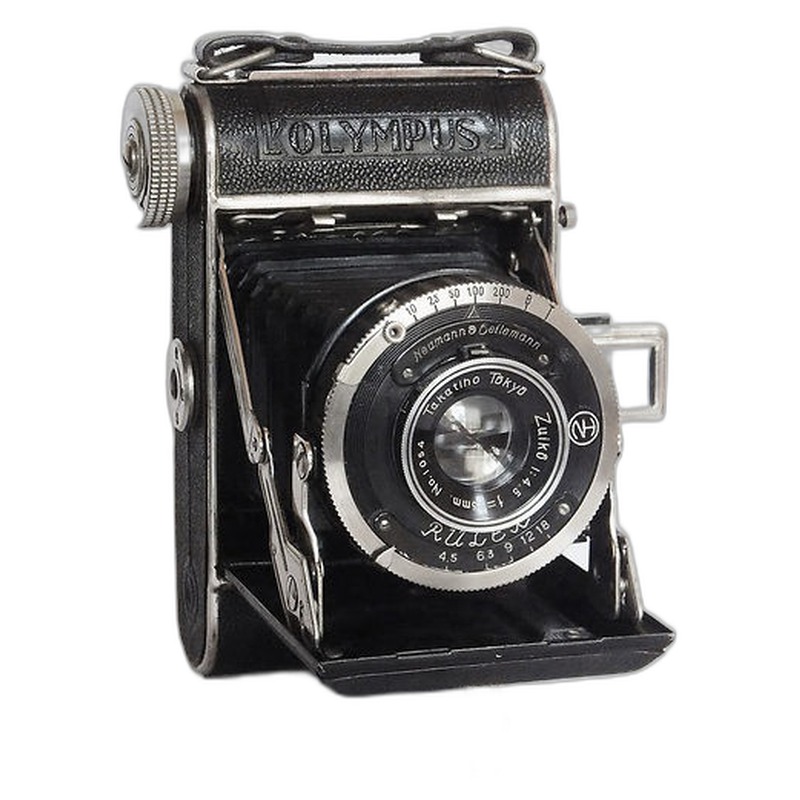
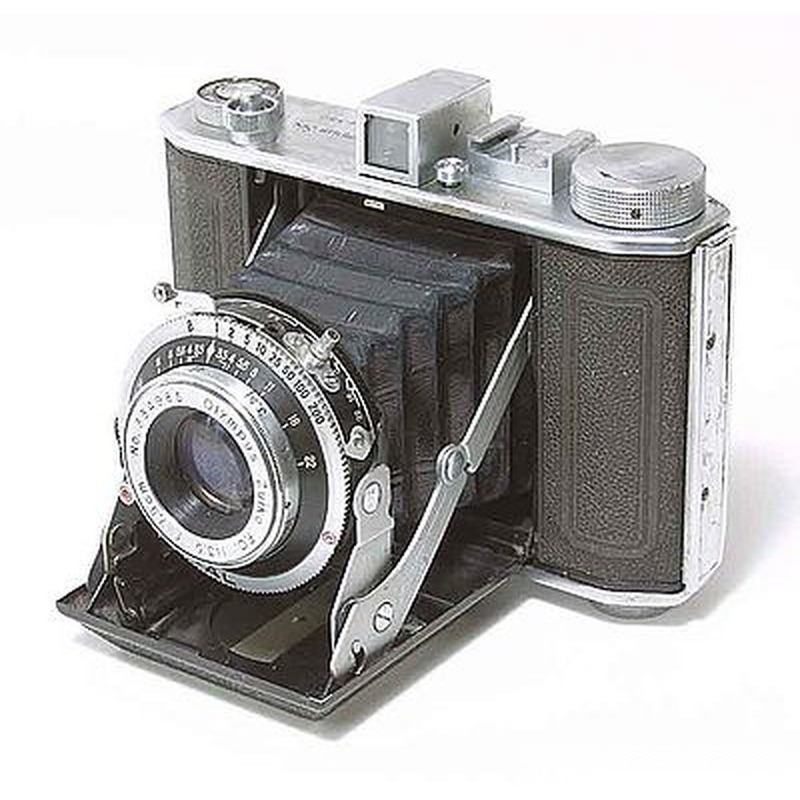
Olympus Semi Olympus I
Olympus · Japan · 1936 · 135 film
Olympus's Semi Olympus I, introduced in 1936, holds a significant place as the company's first-ever foray into the burgeoning 35mm format, marking a crucial step in the evolution of Japanese camera manufacturing. This semi-rangefinder camera represented Olympus's ambitious entry into a market dominated by European like Leica, showcasing a commitment to innovation that would later define the brand. While not possessing the groundbreaking status of some contemporaries, its debut was a landmark moment, establishing Olympus's presence in the high-end amateur and professional 35mm arena and laying the groundwork for future iconic models like the Pen series and OM system. The camera featured a coupled rangefinder for accurate focusing, a robust build characteristic of the era, and was typically equipped with a Zuiko lens, reflecting the optical expertise Olympus was beginning to develop.
Designed for practicality and image quality, the Semi Olympus I employed the standard 135 film cassette, enabling a good number of exposures per roll. Its controls were laid out logically for the user, including a shutter speed dial and aperture ring on the lens. The "Semi" designation likely refers to its rangefinder system, perhaps being a simplified version compared to a full rangefinder or indicating its position between simpler box cameras and more complex viewfinder/rangefinder hybrids. It embodied the serious approach Olympus was taking with its first 35mm model, prioritizing reliability and functionality for photographers seeking a compact yet capable alternative to larger format cameras. Its production continued through the late 1930s, making it a representative example of pre-WWII Japanese camera engineering.
Specifications
| Film Format | 135 |
 Enjoy this museum? Support on Ko-fi