Pricing
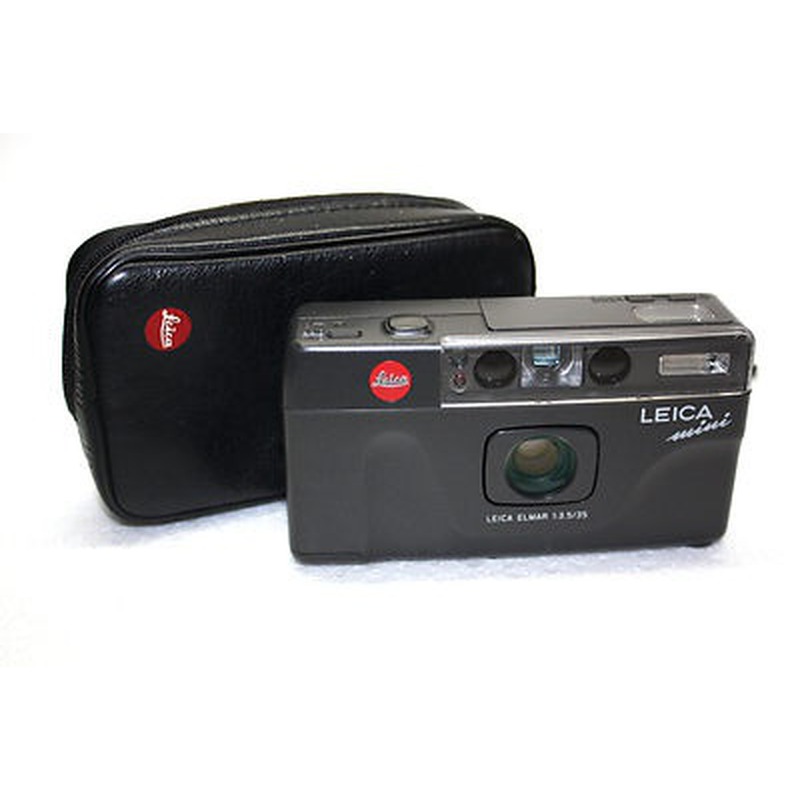
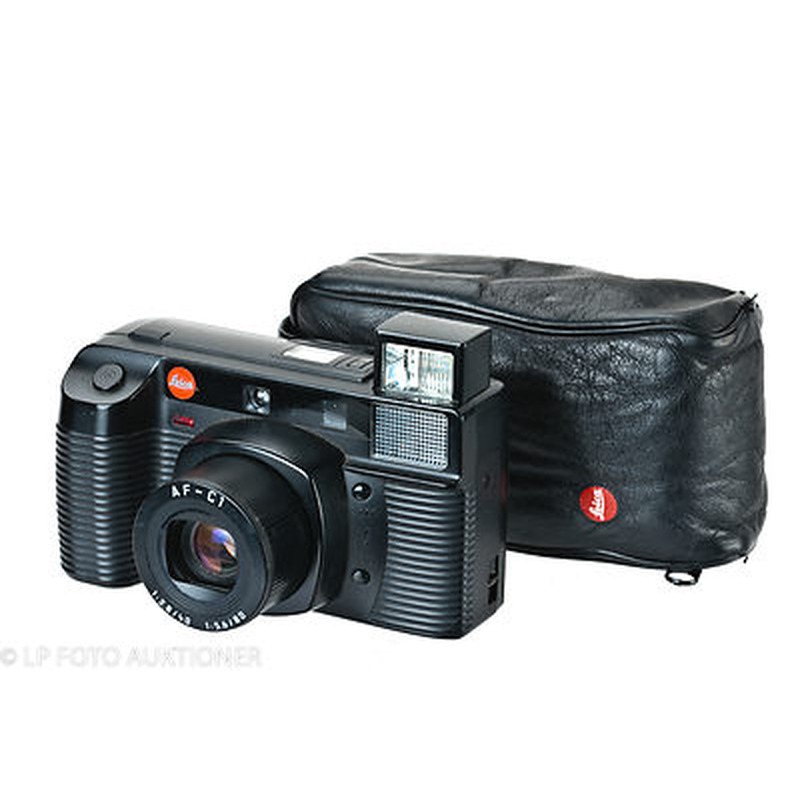
Leica Mini
Leica · Germany · 1990 · 135 film
The Leica Mini, introduced in 1990, represented a significant shift for the prestigious German manufacturer, marking Leica's first substantial entry into the compact 35mm autofocus market. Designed as a pocketable point-and-shoot camera, it aimed to bring Leica's renowned optical quality and build to a broader consumer audience, particularly travelers and casual photographers who valued portability without sacrificing performance. Its compact design, featuring a retractable lens cover and streamlined body, made it highly practical for everyday use, embodying Leica's commitment to precision engineering in a more accessible form factor.
Equipped with a high-quality fixed or zoom Leica DC lens (depending on the specific model like the Mini or Mini II), the Mini delivered sharp 35mm negatives, maintaining the Leica standard in a smaller package. Autofocus and a simple, intuitive control layout made it easy to operate for non-professionals. While lacking the manual controls and rangefinder precision of Leica's flagship M series, the Mini was notable for successfully translating the brand's core values – durability, optical excellence, and tactile design – into a consumer-friendly format. It served as a gateway camera for many who later graduated to more advanced Leica models, reinforcing the brand's reputation beyond its traditional niche. Its production run spanned several years, with models like the Mini II and Zoom following, indicating a steady if not spectacular market reception.
Specifications
| Film Format | 135 |
/main.jpg)
/main.jpg)
 Enjoy this museum? Support on Ko-fi