Pricing
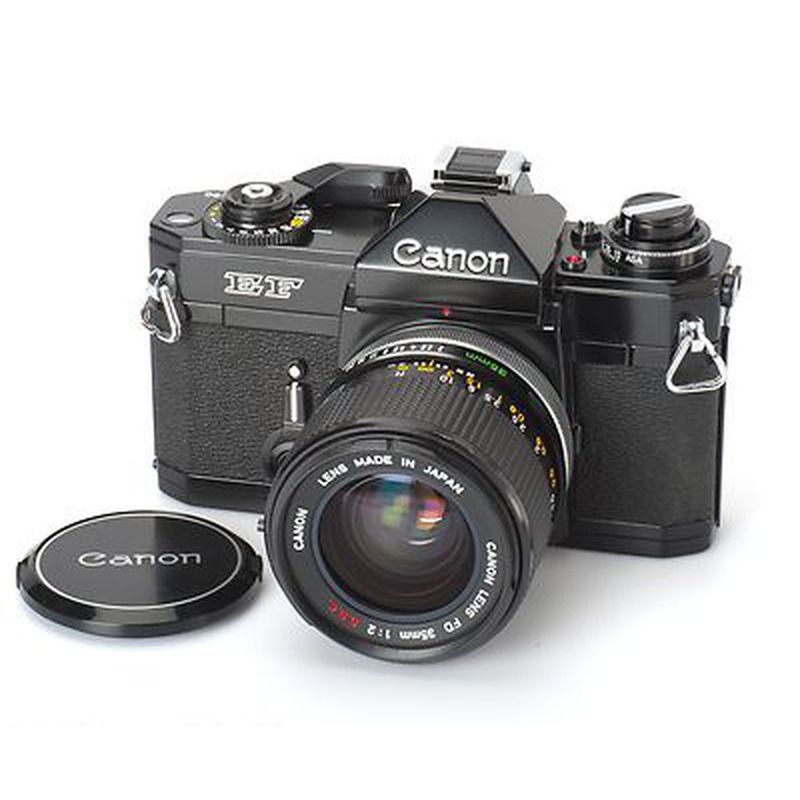
Canon EF
Canon · Japan · 1973–1978 (5 years) · 135 film
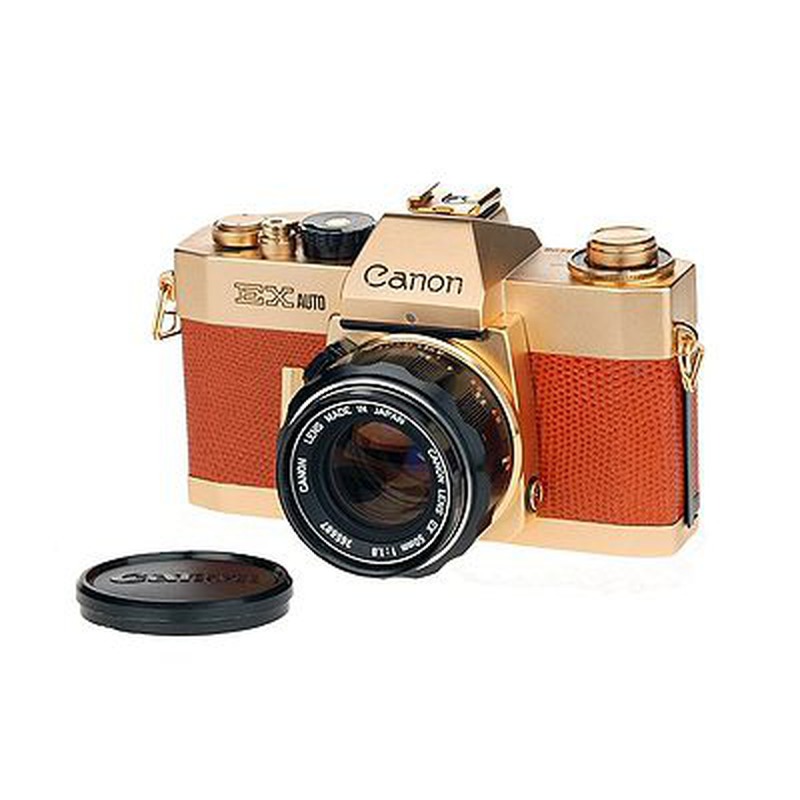
The Canon EF was a significant transitional model in Canon's evolution toward electronic SLR technology. Introduced in 1973, it represented Canon's first serious attempt at an electronically controlled shutter in an SLR camera, moving away from the mechanical shutters that dominated the market at that time. This electronic shutter design allowed for quieter operation and more precise exposure control, features that would become increasingly important as camera automation advanced. The EF's development period (1973-1978) coincided with a critical transition in the camera industry, as manufacturers began incorporating more electronic components into their designs.
The Canon EF featured a full aperture through-the-lens (TTL) metering system, which was becoming standard in professional and advanced amateur cameras of the era. Its electronic shutter offered shutter speeds from 30 seconds to 1/1000th, a respectable range for the time. While not as revolutionary as some contemporary models from competitors like Nikon or Olympus, the EF demonstrated Canon's commitment to technological innovation. Its brief production run ended in 1978, just as Canon was preparing to launch its hugely successful AE-1, which would build upon some of the electronic concepts first explored in the EF. For collectors, the EF represents an important piece of Canon's development story, showing the company's early steps toward the automatic exposure systems that would define consumer photography in the following decade.
Specifications
| Film Format | 135 |
 Enjoy this museum? Support on Ko-fi