Pricing
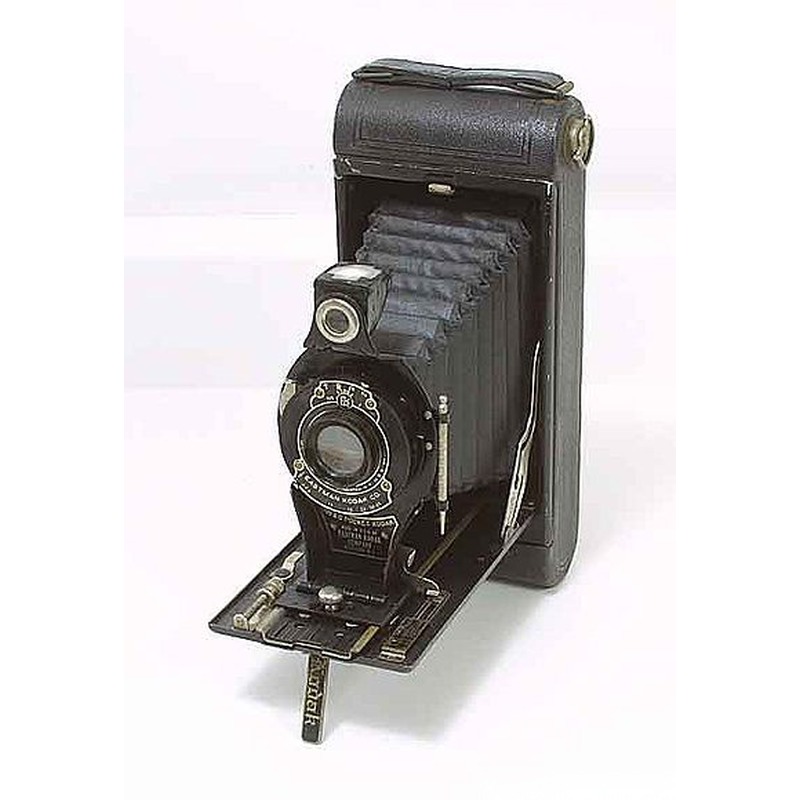
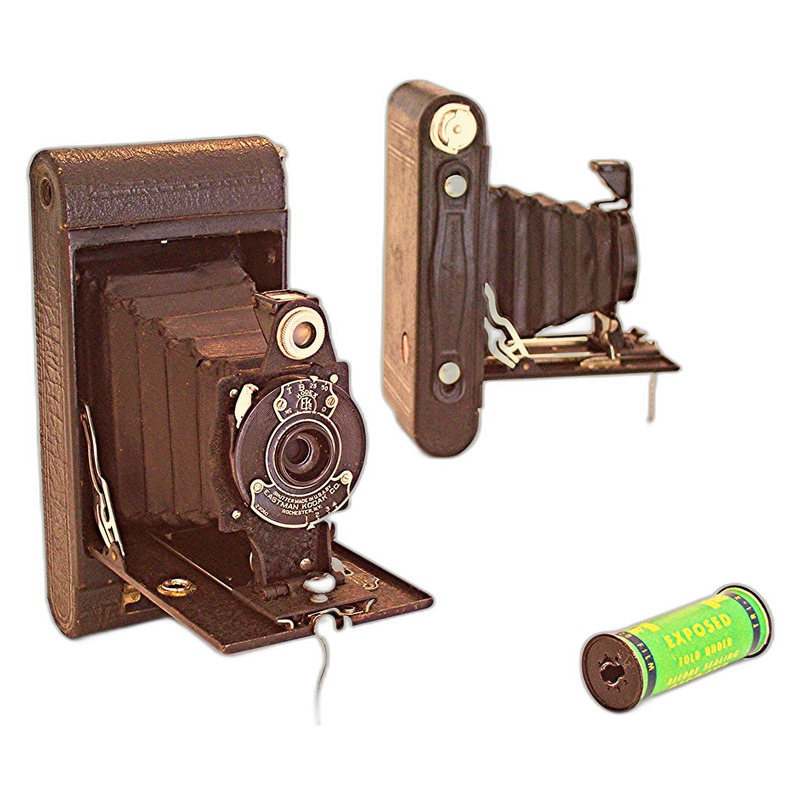
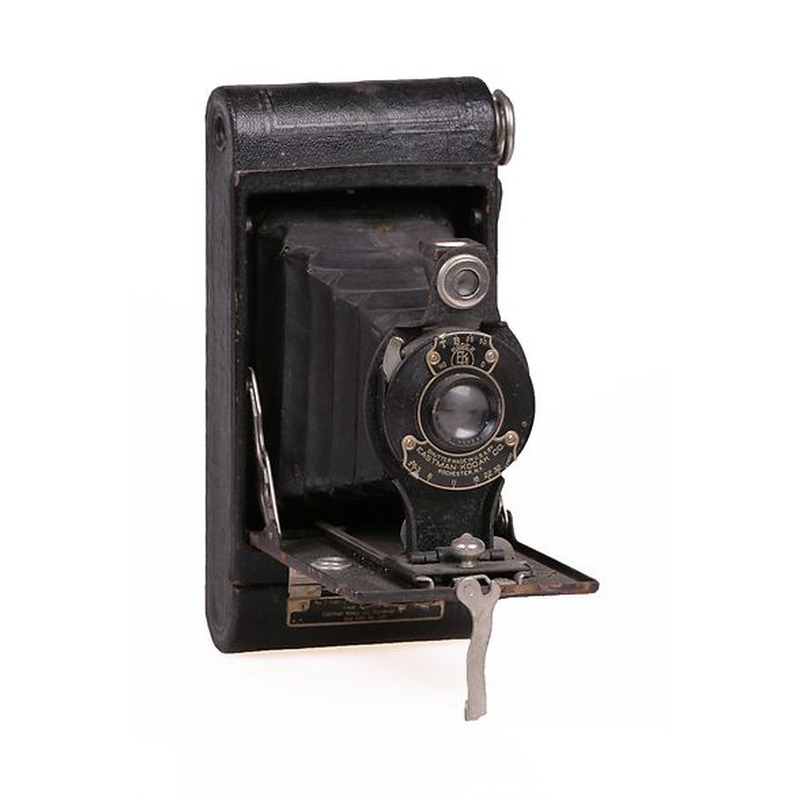
Kodak Pocket No.2C
Kodak · USA · 1926–1932 (6 years) · 135 film
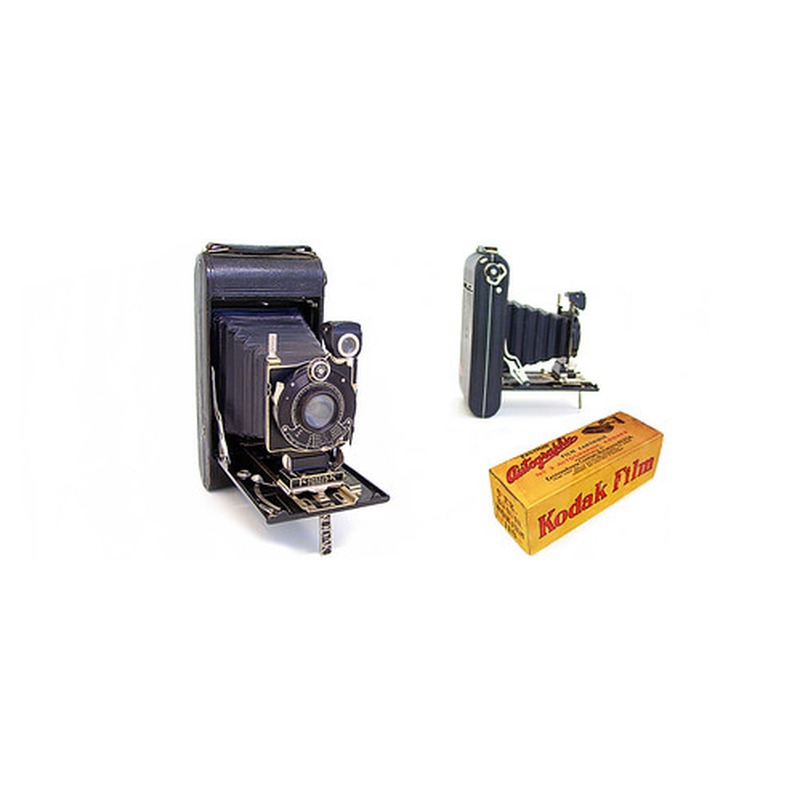
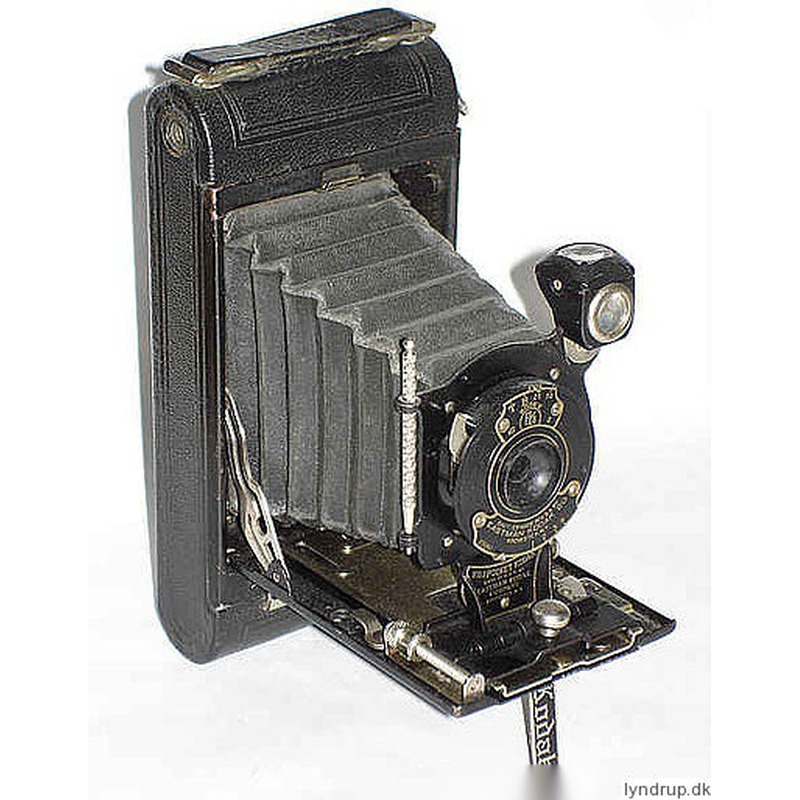
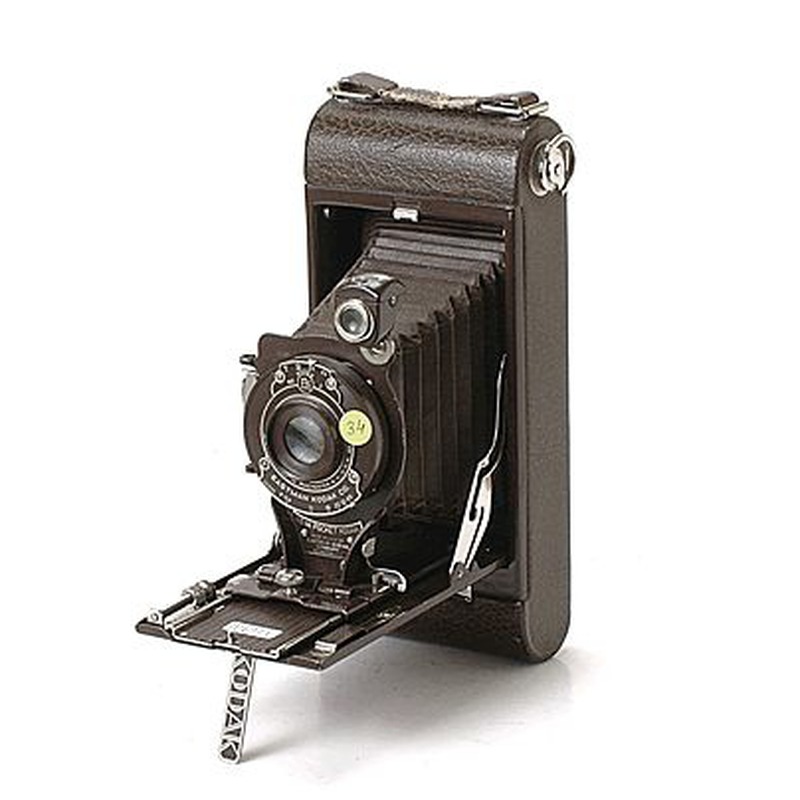
The Kodak Pocket No.2C, produced from 1926 to 1932, represents Kodak's significant early effort to make 35mm photography accessible to the mass market. Following their pioneering Retina model, the Pocket No.2C was designed as a simple, compact camera utilizing the standardized 135 film cartridge, a crucial step towards popularizing the 35mm format beyond enthusiasts and professionals. Its folding body, typical of the era, allowed for a relatively compact form factor when not in use, prioritizing portability for casual photographers. As a fixed-focus, scale-focusing camera with a simple lens and shutter, it embodied Kodak's strategy of providing an affordable, easy-to-use point-and-shoot solution for the burgeoning snapshot market, contributing substantially to the widespread adoption of 35mm film.
While technologically basic compared to contemporary German offerings, the Pocket No.2C was a commercially successful and important product for Kodak. It fulfilled the company's goal of putting a reliable, affordable 35mm camera into the hands of ordinary consumers, helping to establish 135 film as the dominant format for amateur photography. Its production run of several years underscores its place as a practical workhorse during a transitional period in photography, bridging gap between larger roll-film cameras and the more sophisticated 35mm designs that would follow shortly thereafter. Its significance lies in its role as a key enabler of the snapshot revolution in 35mm.
Specifications
| Film Format | 135 |
 Enjoy this museum? Support on Ko-fi