Pricing
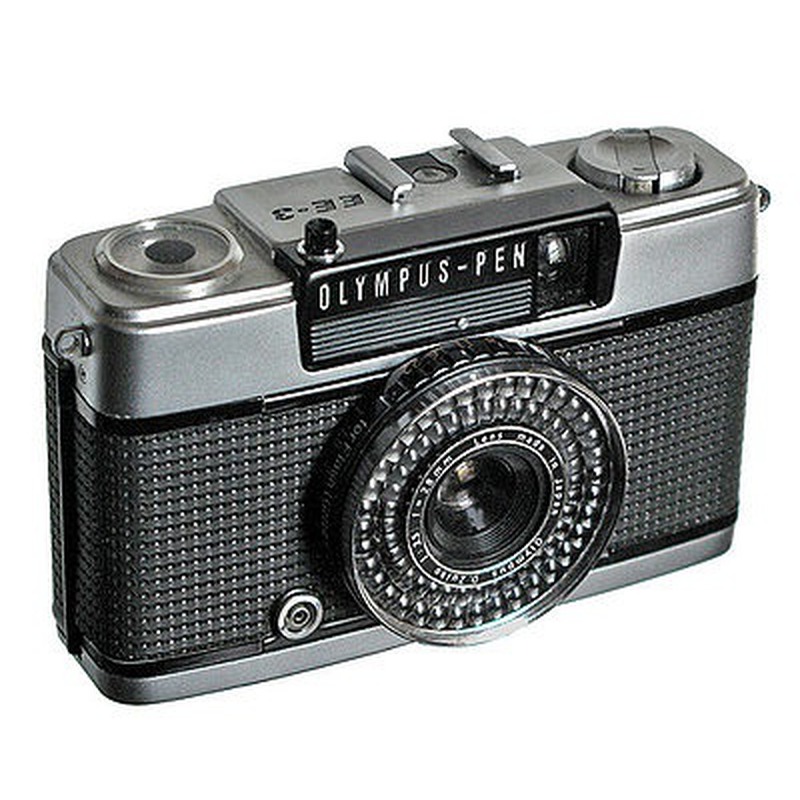
Olympus Pen EE-3
Olympus · Japan
The Olympus Pen EE-3 represents a significant evolution within Olympus's iconic Pen series of half-frame cameras. Building upon the success of earlier models like the Pen EE and EE-2, the EE-3 was introduced as a further refinement, emphasizing simplicity and automation. It retained the core Pen concept of using standard 35mm film to capture 72 half-frame images (26.5 x 17.5mm) on a single roll, effectively doubling the film capacity compared to full-frame 35mm cameras. This unique format, combined with the Pen series' distinctive compact and ergonomic design, made it exceptionally portable and practical for everyday snapshot photography. The EE-3 featured fixed focus and fully automatic exposure control via a selenium light meter powering an EE (Electric Eye) system, eliminating the need for manual settings. This automation was a key innovation for its time, making photography more accessible to a broader audience without requiring technical knowledge. It embodied Olympus's commitment to creating high-quality, easy-to-use cameras for mass consumption during the 1960s and 1970s.
As a member of the renowned Pen family, the EE-3 holds an important place in Olympus's product lineage as a practical and affordable user camera. While it lacked the advanced features or interchangeable lenses of the Pen F series, its robust build quality for a consumer camera, reliable automatic exposure, and compact size made it a popular choice worldwide. It succeeded in fulfilling the original Pen vision of bringing quality photography within reach of the everyday user, cementing the half-frame format's appeal for travel and casual use. Its influence lies in popularizing this efficient film format and demonstrating how automation could democratize photography without sacrificing the enjoyable shooting experience that characterized the Pen lineage. Its straightforward design and enduring reliability ensure it remains a functional and representative example of mid-century Japanese engineering for the consumer market.
 Enjoy this museum? Support on Ko-fi