Pricing
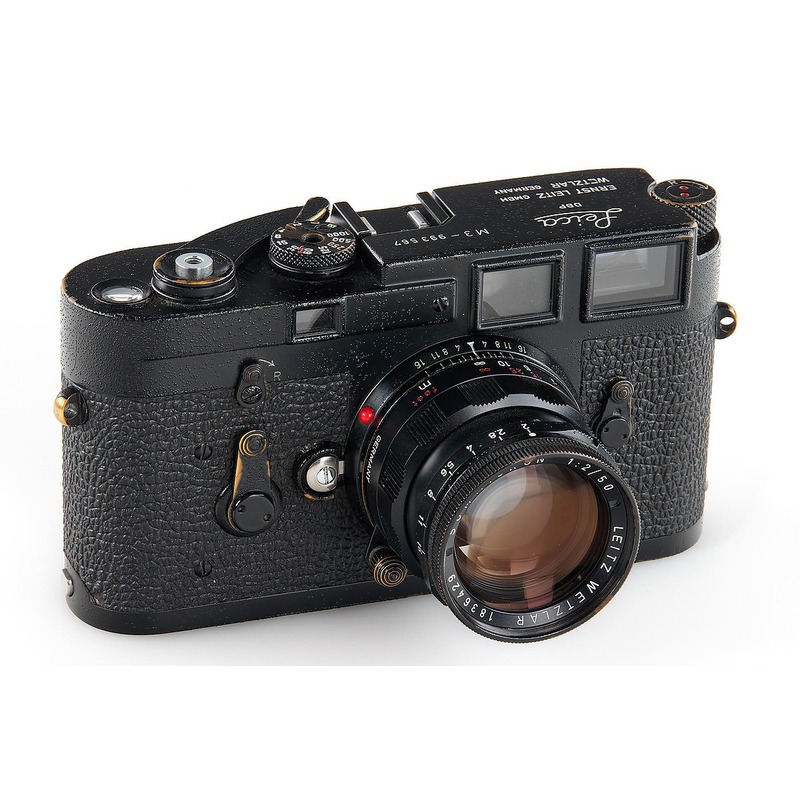
Leica M3 black paint
Leica · Germany · 1959–1966 (7 years) · 135 film
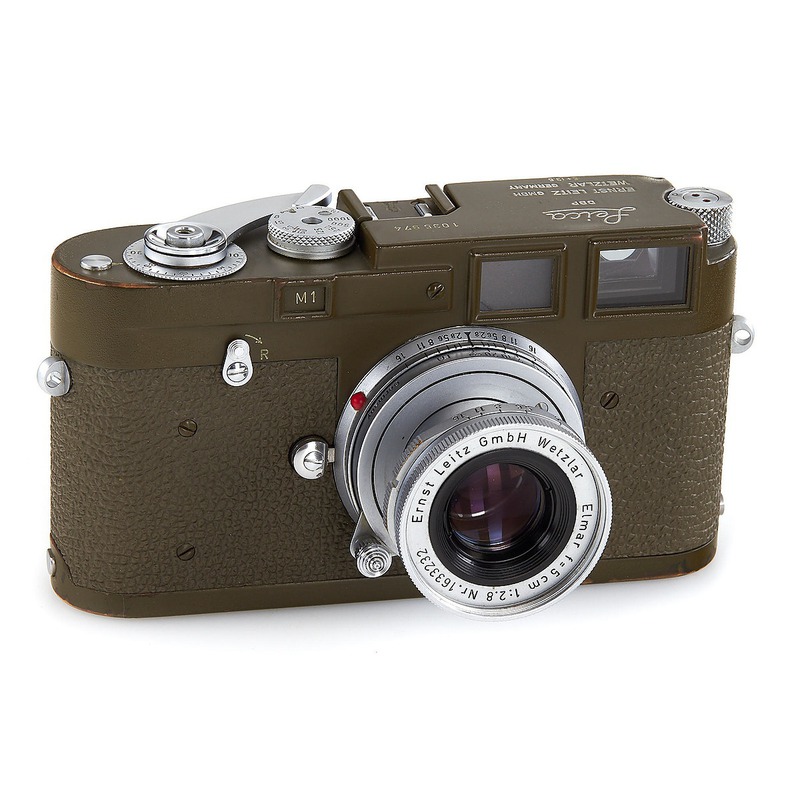
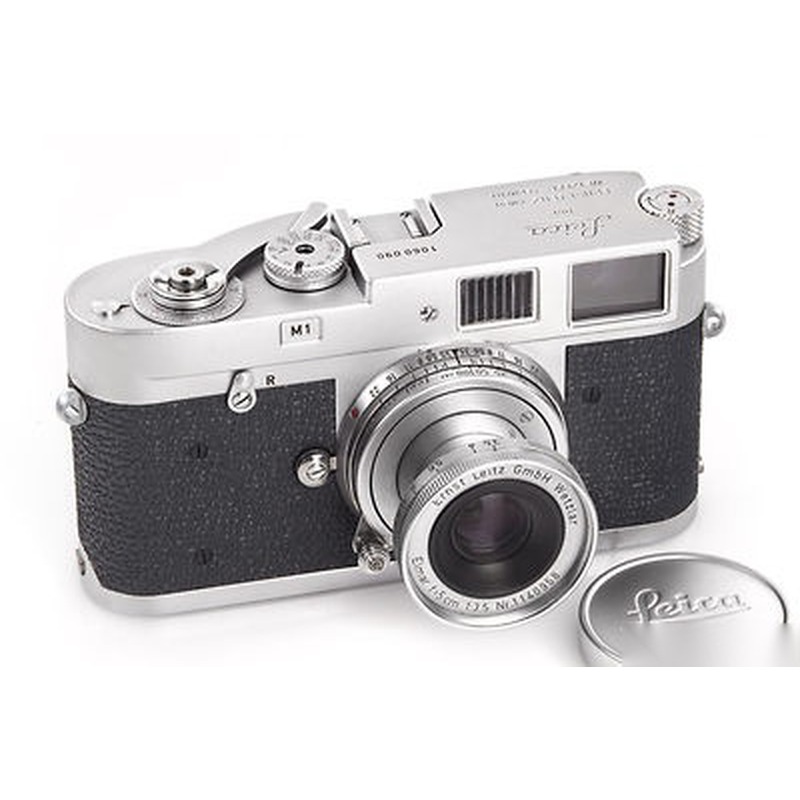
The Leica M3 black paint, produced between 1959 and 1966, represents the pinnacle of the classic Leica rangefinder system. It was the final and most refined evolution of the original M3 design, introduced in 1954, which revolutionized 35mm photography by combining a superior coupled rangefinder with a large, bright viewfinder offering precise framelines for 50mm, 90mm, and 135mm lenses. The black paint finish, less common than chrome, signified a more discreet and professional aesthetic, favored by many photojournalists and street photographers who valued both performance and understated elegance. This model built upon the M3's legacy of exceptional build quality, utilizing high-quality materials and meticulous German engineering to create a remarkably durable and precise instrument. Its focus lever and rapid loading system were significant ergonomic improvements for the era, facilitating quick operation. The M3 black paint was embraced by some of the most influential photographers in history, including Henri Cartier-Bresson, who utilized its quiet operation and superb optics to capture decisive moments in street photography, solidifying its status as an iconic tool for masters of the medium.
Beyond its mechanical refinements, the M3 black paint embodied the essence of Leica's philosophy: compact size, robust construction, and unparalleled optical compatibility. It was the last M3 variant produced, marking the end of an era for this specific chassis before the introduction of the M2 and subsequent models. Its combination of a bright, parallax-corrected viewfinder with framelines for longer focal lengths made it particularly adept for reportage and environmental portraiture. The camera's enduring appeal lies not only in its historical significance but also in its continued usability; decades after production, a well-maintained M3 black paint remains a highly functional photographic instrument, valued equally for its engineering achievements and the character imparted by its paint finish and mechanical operation.
Specifications
| Film Format | 135 |
/main.jpg)
 Enjoy this museum? Support on Ko-fi