Pricing
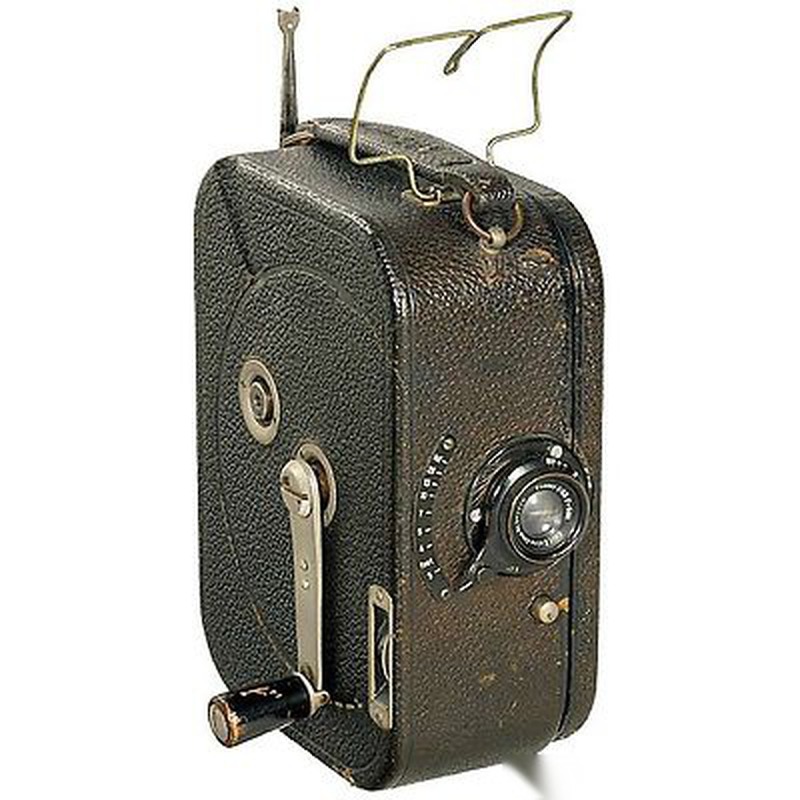
ICA Kinamo 35mm
ICA · Germany · 1924 · 135 film
The Kinamo 35mm, introduced by ICA in 1924, represents a crucial step towards the popularization of the 35mm format for still photography. Emerging from the prestigious ICA consortium (which later merged into Zeiss Ikon), this camera was one of the earliest dedicated 35mm still cameras available to photographers. Designed to utilize standard 35mm cinema film (Type 135 loaded into special cassettes or spools), the Kinamo offered unprecedented portability compared to large plate cameras and bulky roll-film models. Its compact body, typically featuring a vertical format, often housed a focal plane shutter and a relatively fast lens for its era, enabling hand-held exposures. This positioned it towards the professional or serious amateur market seeking mobility, making it a contemporary of the Ur-Leica prototypes and a direct predecessor to commercially successful models like the Leica I launched the following year.
While perhaps not reaching the iconic status of later cameras, the Kinamo 35mm holds notable significance as an early adopter and demonstrator of the 35mm format's potential for high-quality, portable still photography. It helped establish the technical foundation— utilizing 35mm film, compact dimensions, and focal plane shutters—that would define the 35mm rangefinder and SLR revolution that followed. Its production by ICA, a major German optical manufacturer, lent it credibility and signaled the industry's growing interest in this smaller format. Surviving examples are relatively scarce artifacts from a formative period, marking the transition from large format to miniature photography.
Specifications
| Film Format | 135 |
/main.jpg)
/main.jpg)
/main.jpg)
/main.jpg)
/main.jpg)
 Enjoy this museum? Support on Ko-fi